

When you want something different from everyday pasta dinners this Classic Beef Lasagna offers a delicious twist. This beef lasagna recipe is hearty simple and packed with flavor and it is perfect for cozy dinners or holiday gatherings.
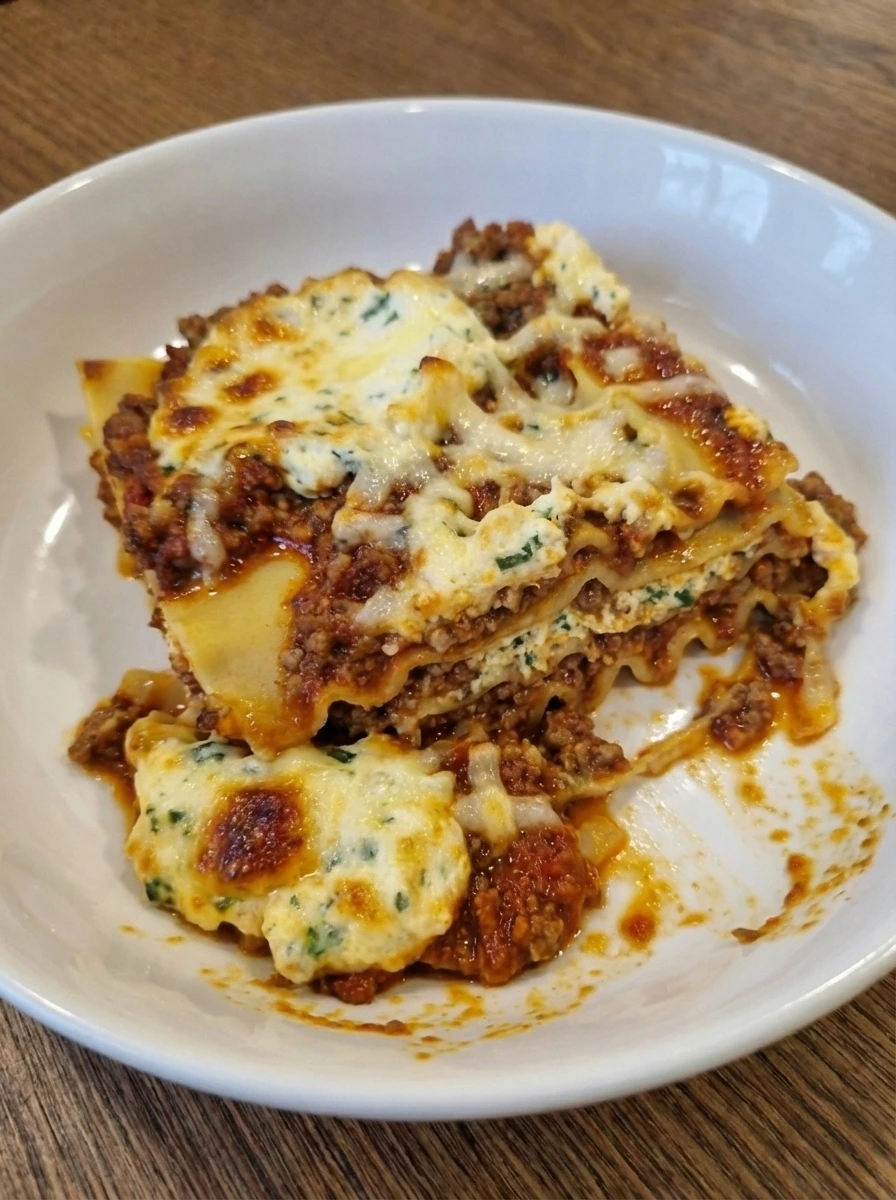
This recipe is perfect for a weeknight dinner when you want something comforting and filling. It also fits right in for a holiday meal when you need a dish that feels classic and generous.
If you want more lasagna dinner ideas also check out baked pasta casseroles cheesy stuffed shells or hearty meat sauce recipes. They bring that same cozy feeling while giving you a few more ways to get dinner on the table.
Ingredients
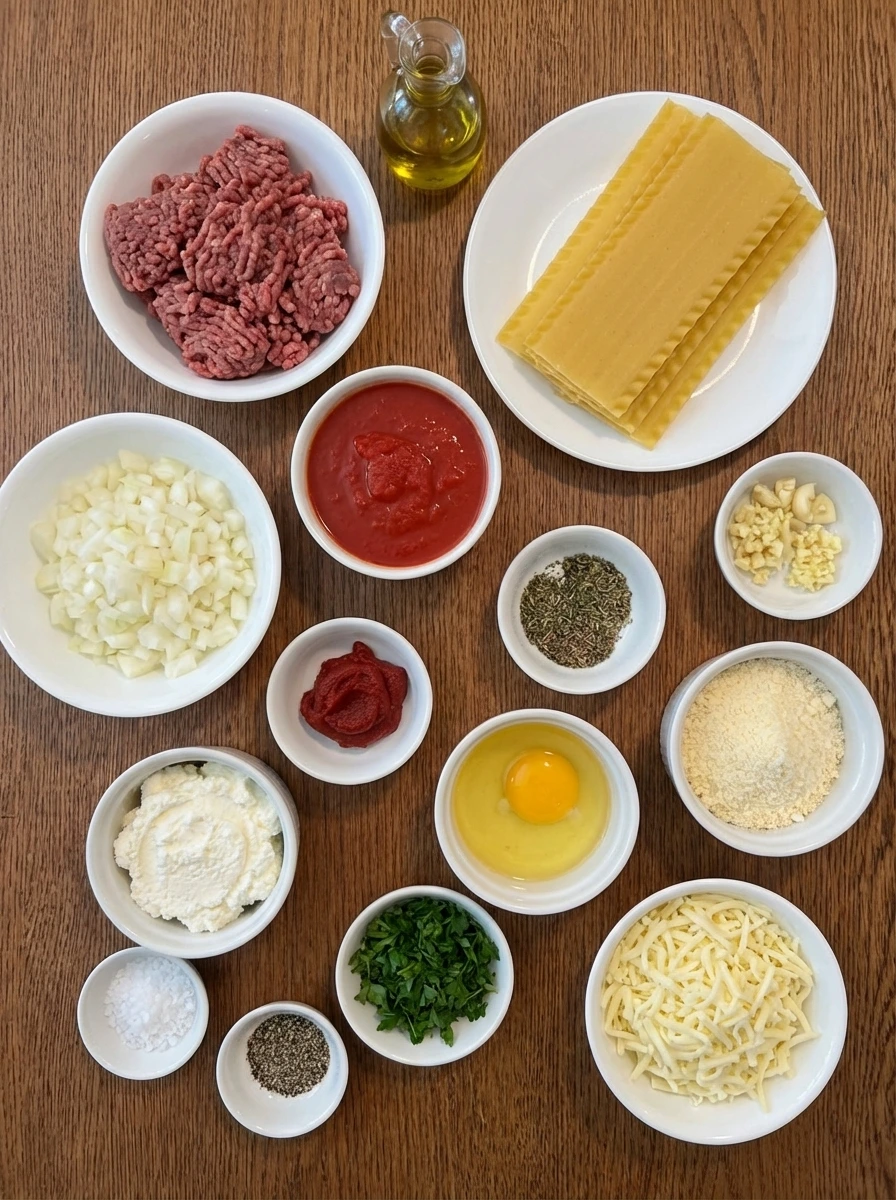
Here’s what I use for this recipe and you can always make substitutions if you prefer.
- ground beef: Rich savory base for the meat sauce.
- lasagna noodles: Tender layered pasta structure.
- yellow onion: Adds sweetness and depth.
- garlic: Builds bold aromatic flavor.
- olive oil: Helps soften and coat the aromatics.
- crushed tomatoes: Creates the body of the sauce.
- tomato paste: Concentrates tomato flavor and thickens.
- dried oregano: Adds classic herbal flavor.
- dried basil: Brings warm sweet herb notes.
- salt: Balances and sharpens flavor.
- black pepper: Adds mild heat and depth.
- ricotta cheese: Makes the filling creamy and soft.
- egg: Helps bind the ricotta layer.
- parmesan cheese: Adds salty nutty richness.
- mozzarella cheese: Melts into stretchy golden layers.
- fresh parsley: Adds fresh color and finish.
Tools You’ll Need
- Large pot: Boils the noodles until tender.
- Deep skillet: Cooks the beef and simmers the sauce.
- Mixing bowl: Holds the ricotta filling.
- Baking dish: Supports the layered lasagna as it bakes.
- Knife: Slices portions after resting.
Instructions
Step 1: Soften the onion and garlic
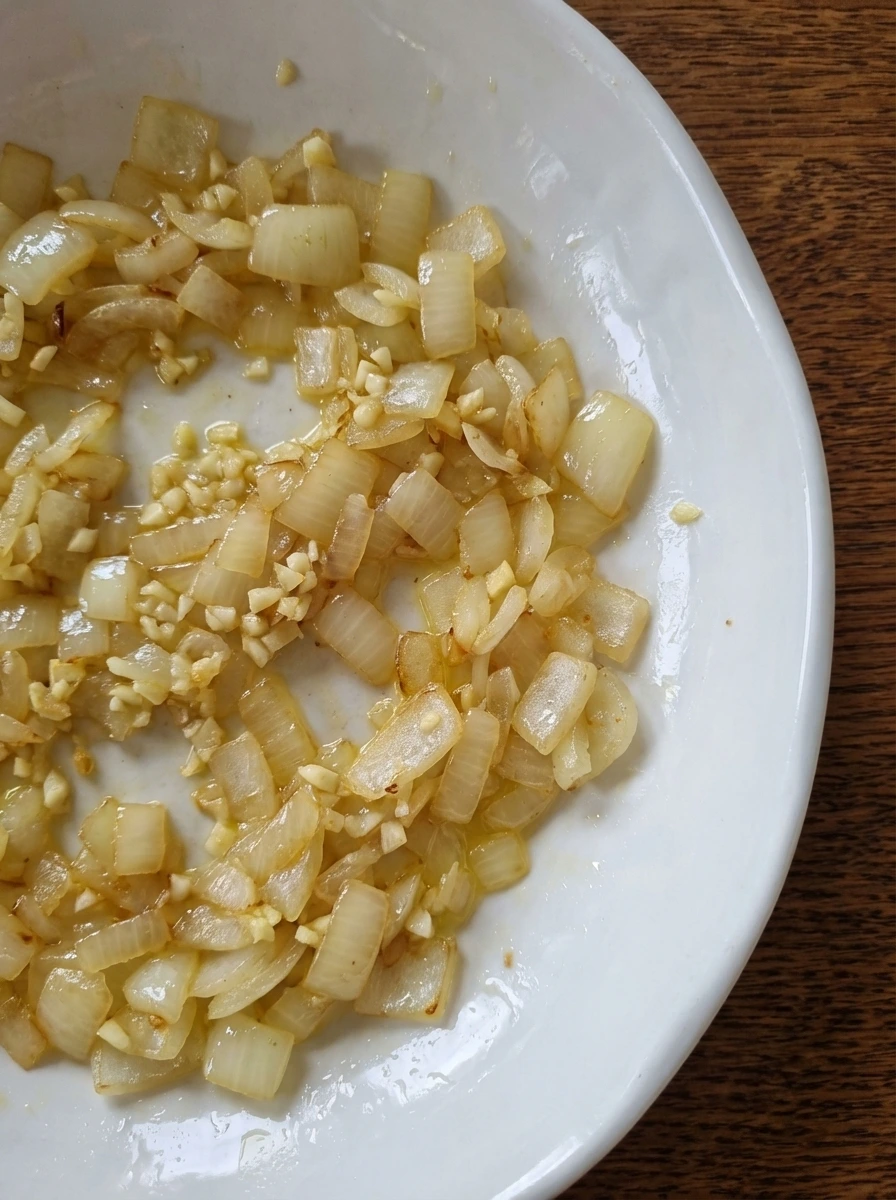
The diced onion and garlic turn glossy and slightly translucent as they soften in a thin coating of oil. Their sharp raw look fades and the pieces relax into a softer uneven mound with a pale golden tint beginning around the edges.
Tip: Keep the onion moving just until it loses its raw bite and starts to look tender.
Step 2: Brown the beef into the aromatics
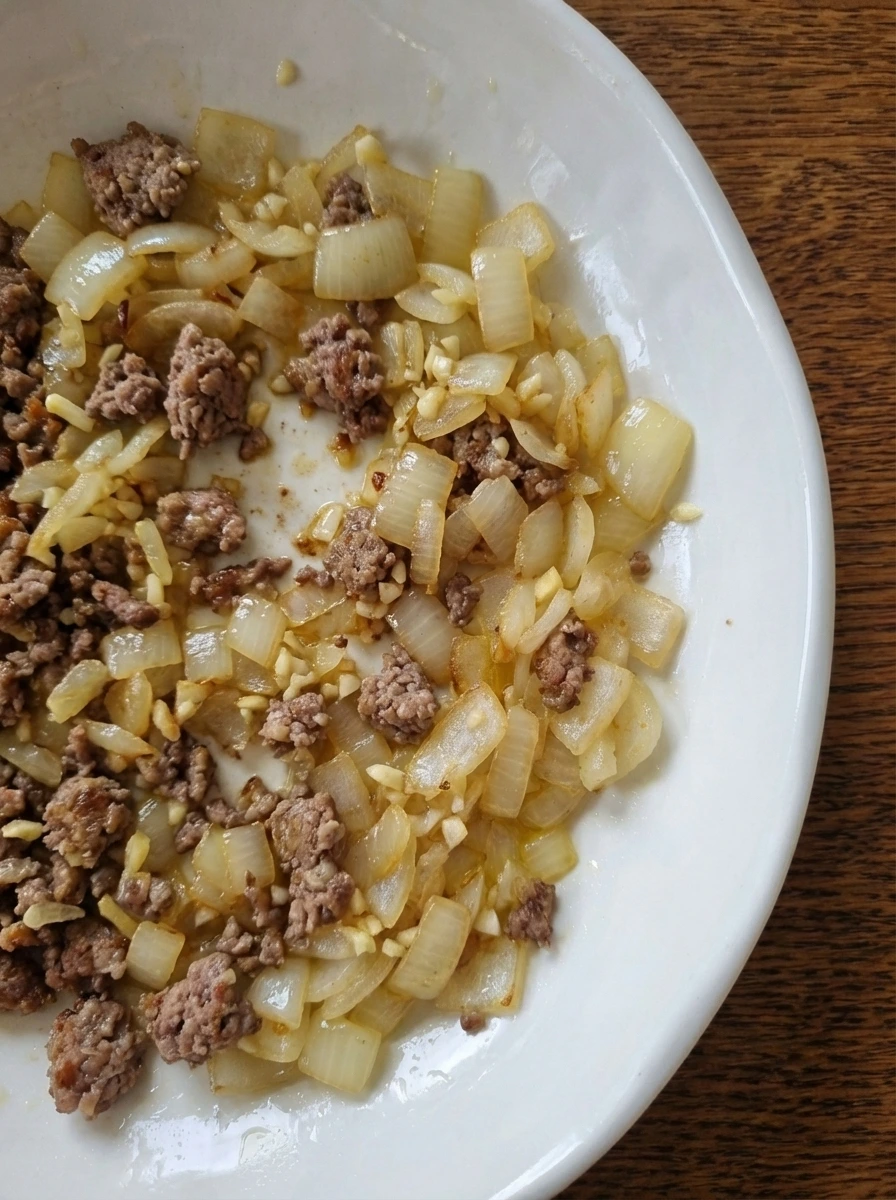
The ground beef breaks apart and changes from pink to deep brown as it mixes through the softened onion and garlic. Small irregular crumbles form and the mixture looks richer and more textured with browned bits scattered throughout.
Tip: Break the beef into uneven crumbles so the sauce looks hearty and homemade.
Step 3: Simmer the sauce until thick
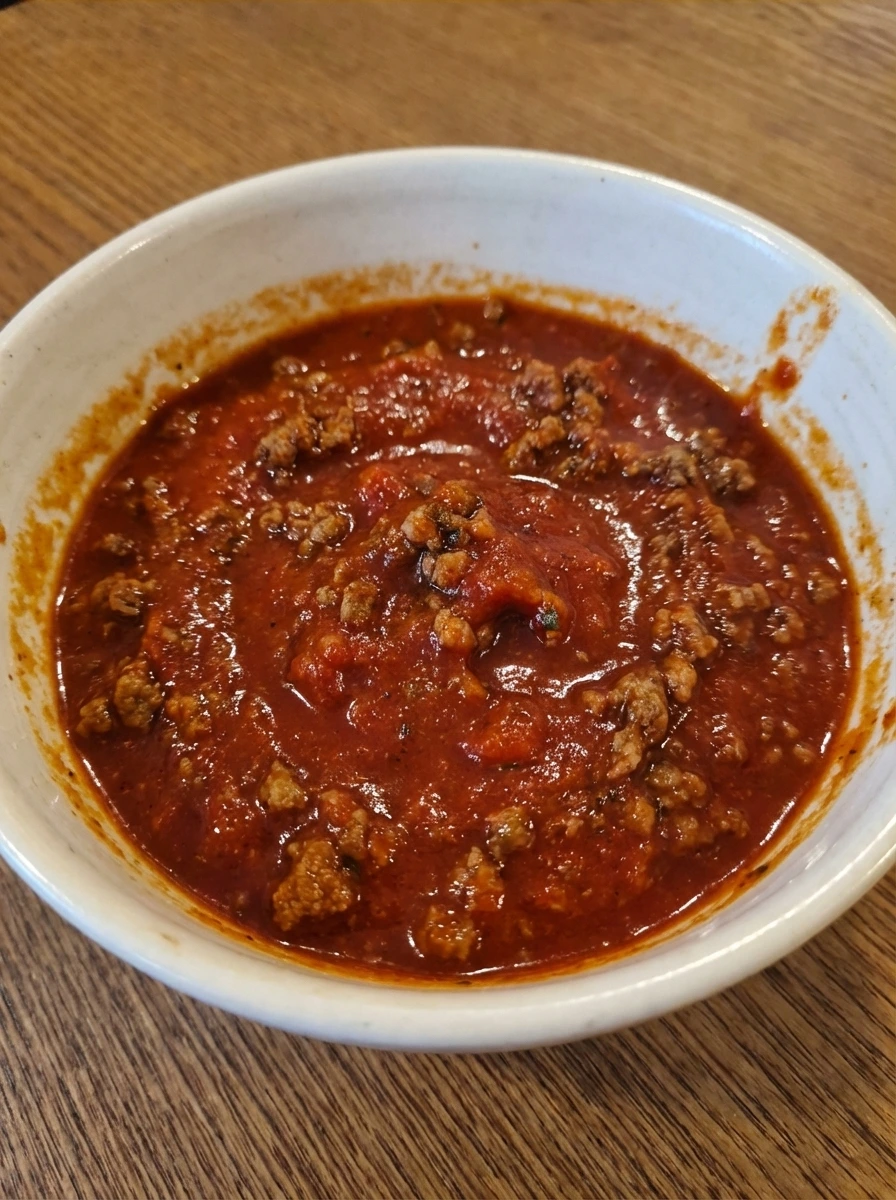
Crushed tomatoes and tomato paste blend into the browned beef and slowly thicken into a deep red sauce. The mixture shifts from loose and wet to richer and more cohesive and the herbs disappear into the sauce while small pockets of beef peek through.
Tip: Let the sauce cook until it looks spoonable and thick rather than watery.
Step 4: Stir together the ricotta filling
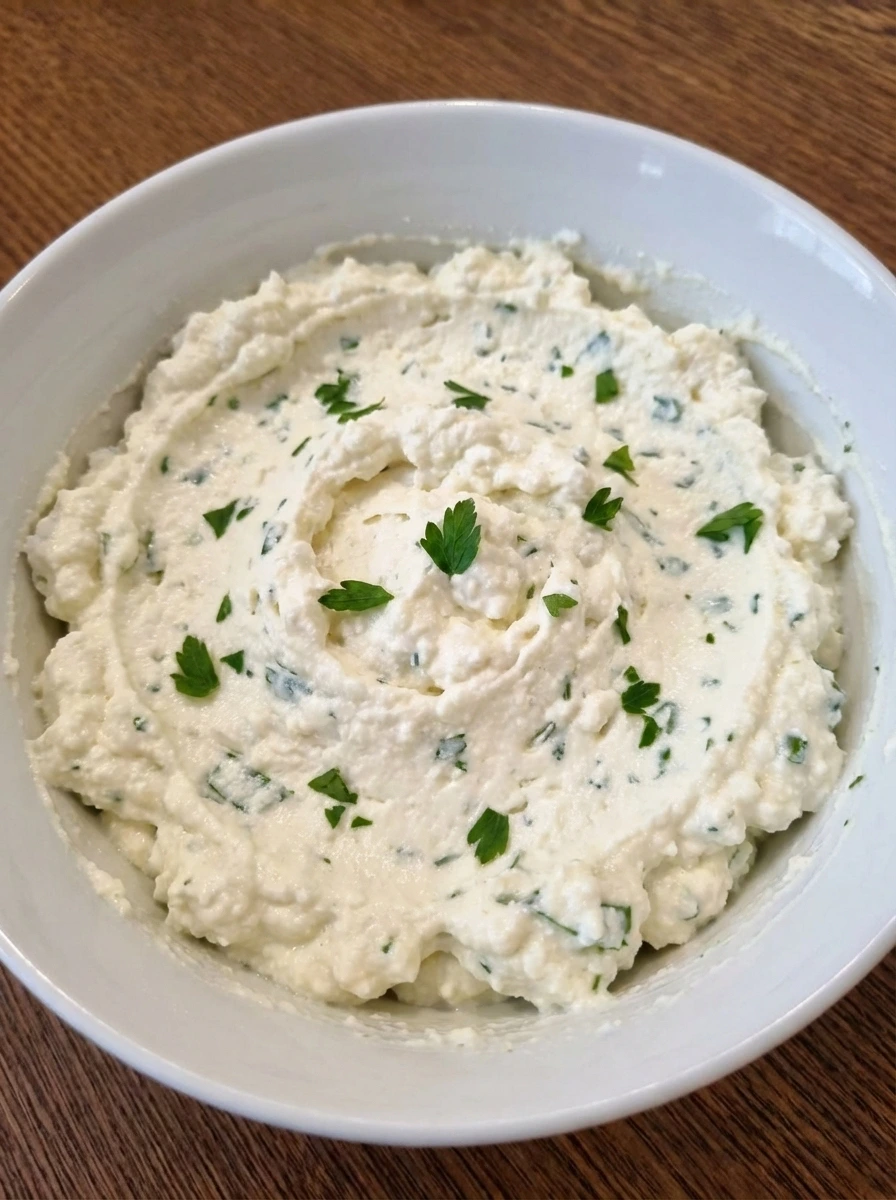
Ricotta egg parmesan and parsley come together into a creamy pale filling with green flecks throughout. The texture changes from separate soft ingredients to one thick mixture that looks slightly lumpy and naturally uneven rather than perfectly smooth.
Tip: Leave a little texture in the ricotta mixture so the finished layers stay rustic.
Step 5: Layer the pasta sauce and cheese
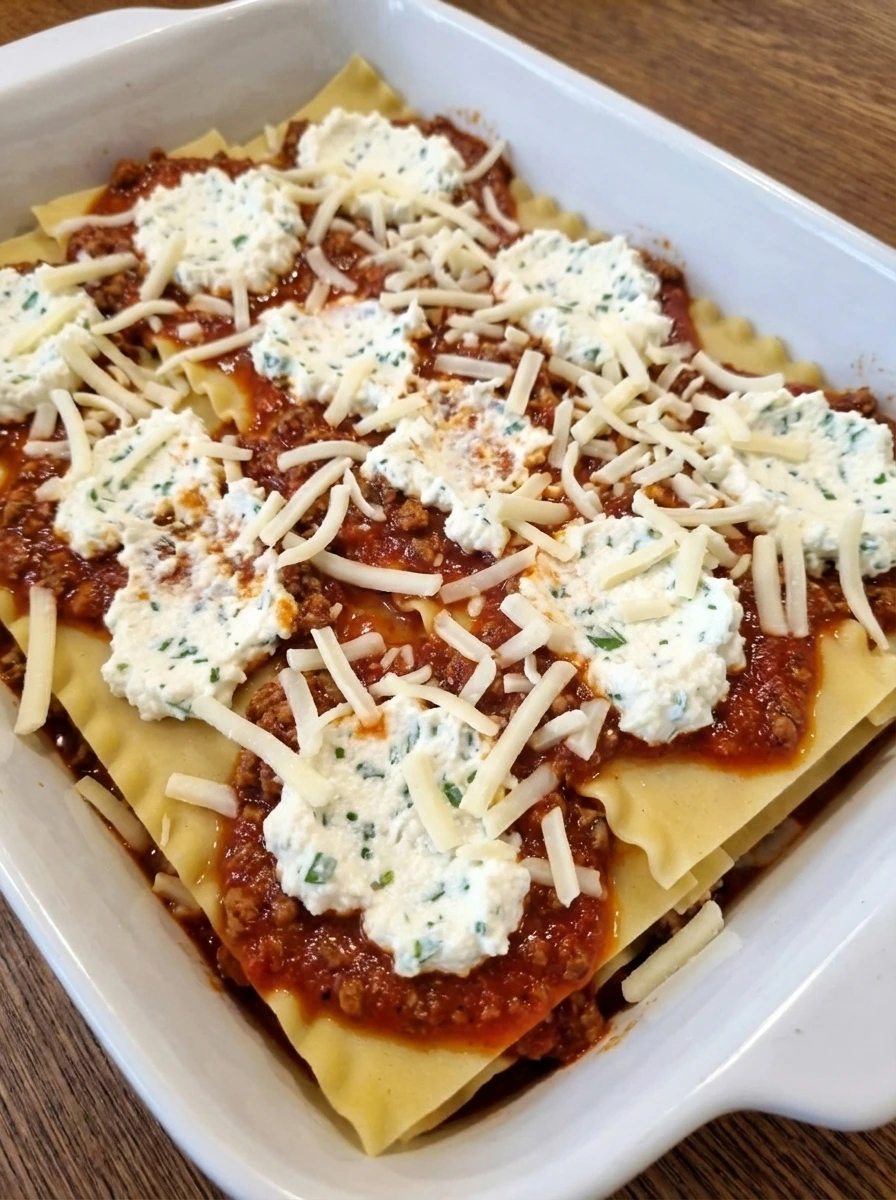
The lasagna takes shape as noodles sauce ricotta filling and mozzarella build into visible stacked layers. Some edges overlap while others sit slightly off line and the cheese lands unevenly across the top of each layer for a casual homemade look.
Tip: Do not aim for perfect lines because slight overlap makes the layers look more natural.
Step 6: Bake until the top melts and browns
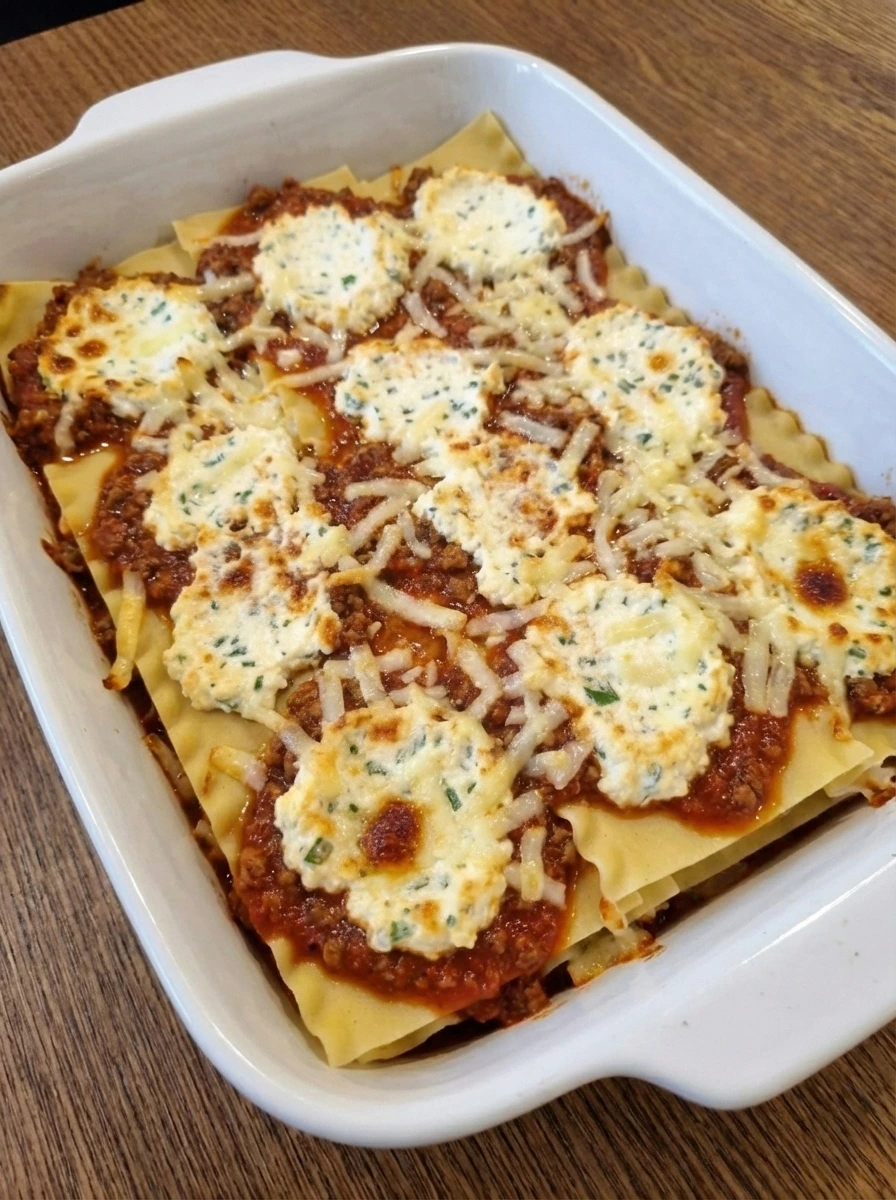
As the lasagna bakes the layers settle and the top changes from loose shredded cheese to a melted blanket with uneven bubbles. The surface develops browned patches and the sauce rises in a few spots around the edges where the layers look softer and more connected.
Tip: Bake until you see both melted cheese and a few browned areas across the top.
Step 7: Rest and serve the lasagna
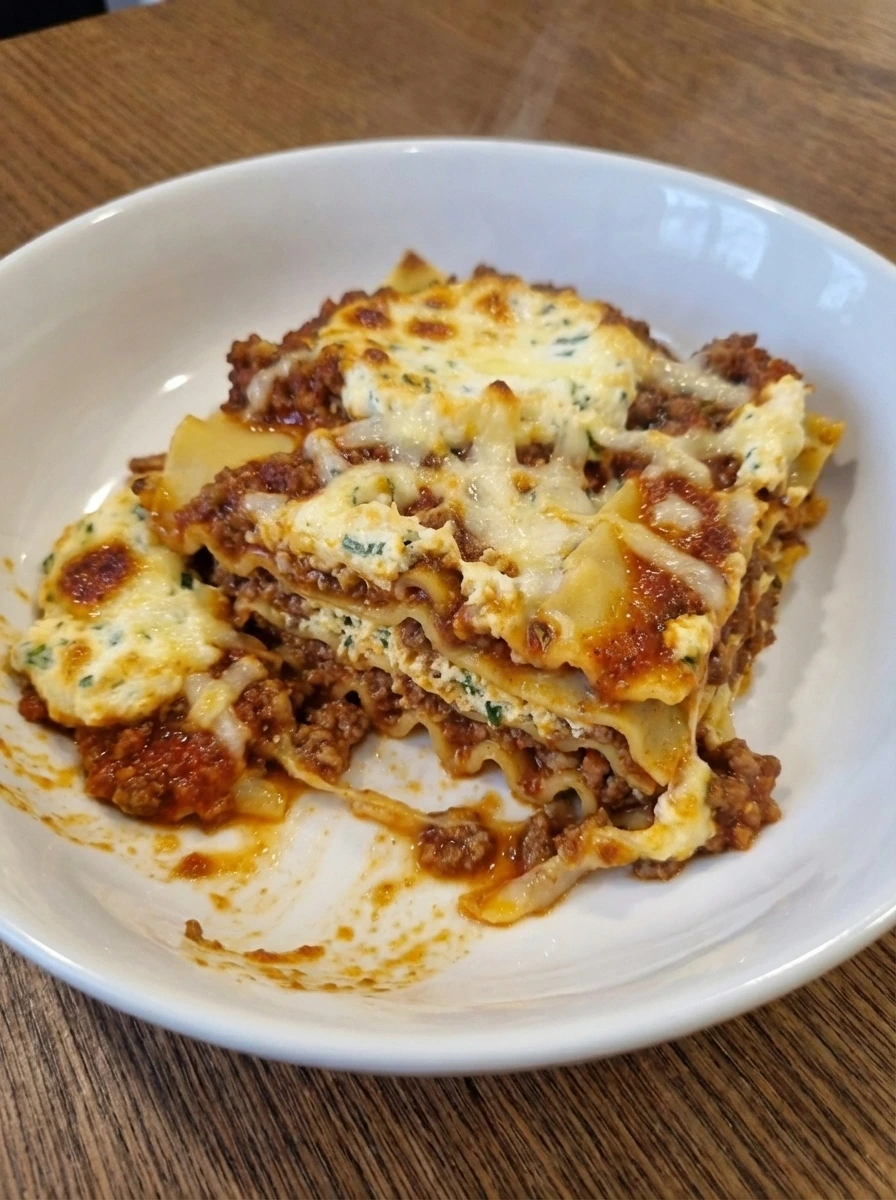
After resting the cut portion holds together while still looking soft and slightly messy. The layers show distinct bands of pasta meat sauce ricotta and mozzarella and the top keeps its browned bubbles while a little sauce slides out at the edges onto the plate.
Tip: Give it a short rest so the layers slice cleanly but still stay tender.
Pro Tips
- Let the meat sauce cook until it looks thick so the layers stay structured.
- Scatter the mozzarella loosely for a more natural melt and browning.
- Rest the lasagna before slicing so the layers hold together better.
- Save a little parsley for the end so the final dish looks fresh and homemade.
Storage Instructions
Let the lasagna cool fully before storing so the layers stay intact and the cheese does not trap extra moisture. Keep portions covered in the refrigerator for up to four days. For longer storage freeze individual slices so reheating is simple and flexible. Warm them until the center is hot and the cheese softens again for the best texture.
Frequently Asked Questions
Can I make Classic Beef Lasagna ahead of time?
Yes you can assemble it earlier and keep it chilled until you are ready to bake. The layers hold up well and the flavor gets even better.
Can I freeze leftover lasagna?
Yes the baked slices freeze well once cooled. Wrap them tightly so the sauce and cheese stay protected from drying out.
Do I have to cook the noodles first?
That depends on the noodles you use. If they are not labeled oven ready they should be boiled until just tender before layering.
How do I know when the lasagna is done?
The top should look melted and lightly browned and the center should look hot and settled rather than loose. The edges will usually bubble a little too.
Final Thoughts
So there you go. A recipe that is simple enough for a Tuesday night but good enough to serve at a gathering.
I have made this Classic Beef Lasagna more times than I can count and it never disappoints. Save this one and share it with a friend and let me know in the comments if you made any fun changes.
I am always curious to see how people put their own spin on things.
Print
Classic Beef Lasagna
- Total Time: 1 hour 20 minutes
- Yield: 8 servings 1x
Description
This Classic Beef Lasagna is one of the best comfort food ideas for anyone who wants an easy dinner that still feels special. It is simple to layer and quick to prep with rich sauce tender pasta and cheesy filling. This healthy style homemade favorite works for weeknight dinner meal prep holiday potluck brunch or party tables and gives you a satisfying dish everyone will want again.
Ingredients
- 1 pound ground beef
- 9 noodles lasagna noodles
- 1 medium diced yellow onion
- 3 cloves minced garlic
- 1 tablespoon olive oil
- 28 ounces crushed tomatoes
- 2 tablespoons tomato paste
- 1 teaspoon dried oregano
- 1 teaspoon dried basil
- 1 teaspoon salt
- 1/2 teaspoon black pepper
- 15 ounces ricotta cheese
- 1 large egg
- 1/2 cup grated parmesan cheese
- 3 cups shredded mozzarella cheese
- 2 tablespoons chopped fresh parsley
Instructions
- The diced onion and garlic turn glossy and slightly translucent as they soften in a thin coating of oil. Their sharp raw look fades and the pieces relax into a softer uneven mound with a pale golden tint beginning around the edges.
- The ground beef breaks apart and changes from pink to deep brown as it mixes through the softened onion and garlic. Small irregular crumbles form and the mixture looks richer and more textured with browned bits scattered throughout.
- Crushed tomatoes and tomato paste blend into the browned beef and slowly thicken into a deep red sauce. The mixture shifts from loose and wet to richer and more cohesive and the herbs disappear into the sauce while small pockets of beef peek through.
- Ricotta egg parmesan and parsley come together into a creamy pale filling with green flecks throughout. The texture changes from separate soft ingredients to one thick mixture that looks slightly lumpy and naturally uneven rather than perfectly smooth.
- The lasagna takes shape as noodles sauce ricotta filling and mozzarella build into visible stacked layers. Some edges overlap while others sit slightly off line and the cheese lands unevenly across the top of each layer for a casual homemade look.
- As the lasagna bakes the layers settle and the top changes from loose shredded cheese to a melted blanket with uneven bubbles. The surface develops browned patches and the sauce rises in a few spots around the edges where the layers look softer and more connected.
- After resting the cut portion holds together while still looking soft and slightly messy. The layers show distinct bands of pasta meat sauce ricotta and mozzarella and the top keeps its browned bubbles while a little sauce slides out at the edges onto the plate.
Notes
Pro Tips:
- Let the meat sauce cook until it looks thick so the layers stay structured.
- Scatter the mozzarella loosely for a more natural melt and browning.
- Rest the lasagna before slicing so the layers hold together better.
- Save a little parsley for the end so the final dish looks fresh and homemade.
Storage: Let the lasagna cool fully before storing so the layers stay intact and the cheese does not trap extra moisture. Keep portions covered in the refrigerator for up to four days. For longer storage freeze individual slices so reheating is simple and flexible. Warm them until the center is hot and the cheese softens again for the best texture.
- Prep Time: 25 minutes
- Cook Time: 55 minutes
- Category: Dinner
- Cuisine: Italian American
Nutrition
- Serving Size: 1 serving