

If you’ve ever had a delicate lemon dessert at a bakery, you know that mini lemon cakes with lavender glaze are the kind of treat that stands out with their bright, lovely flavors. In this article, we have the Mini Lemon Cakes with Lavender Glaze recipe for you to try in the comfort of your own home with this easy step by step guide.
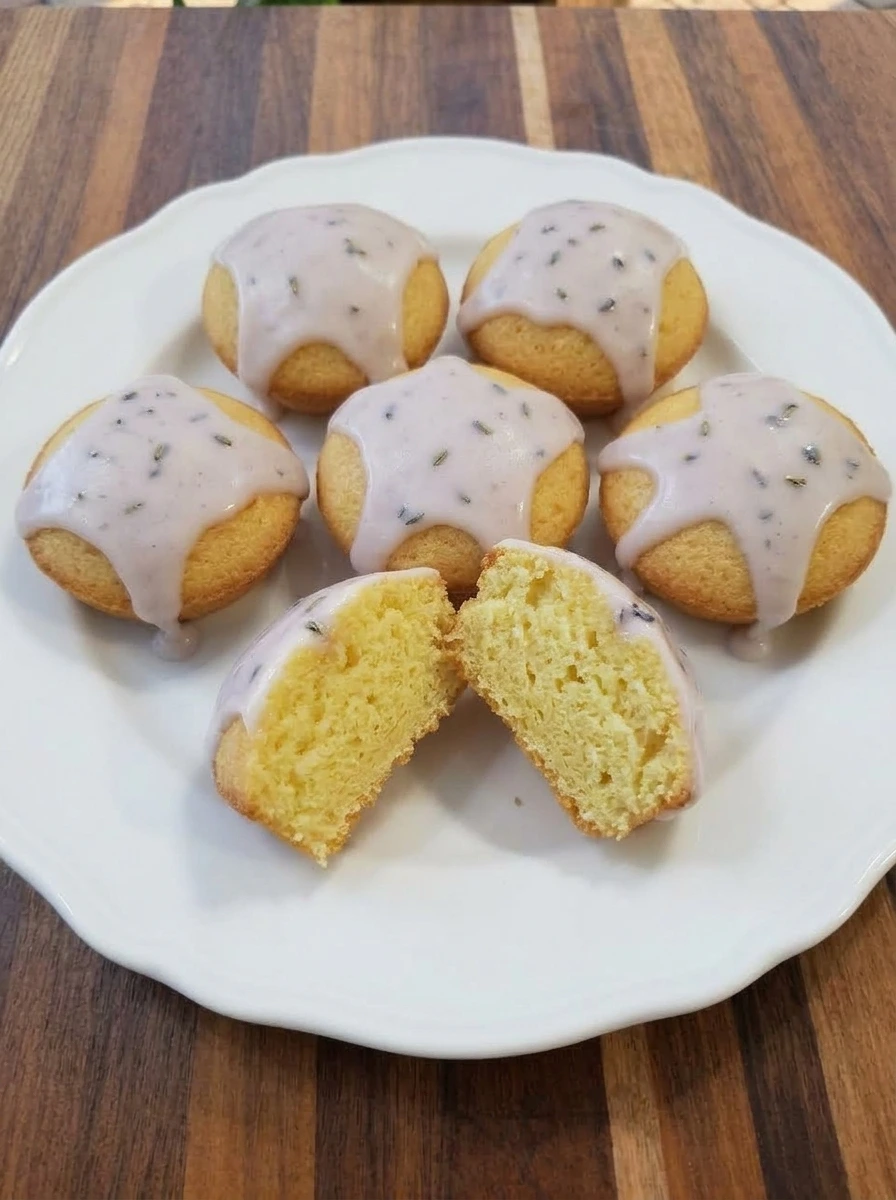
This charming dessert has tender little lemon cakes with a soft crumb and a light lavender glaze that’s both fresh and fragrant. This recipe is great for special occasions or a sweet afternoon treat, this recipe is sure to impress your family and friends.
Ingredients
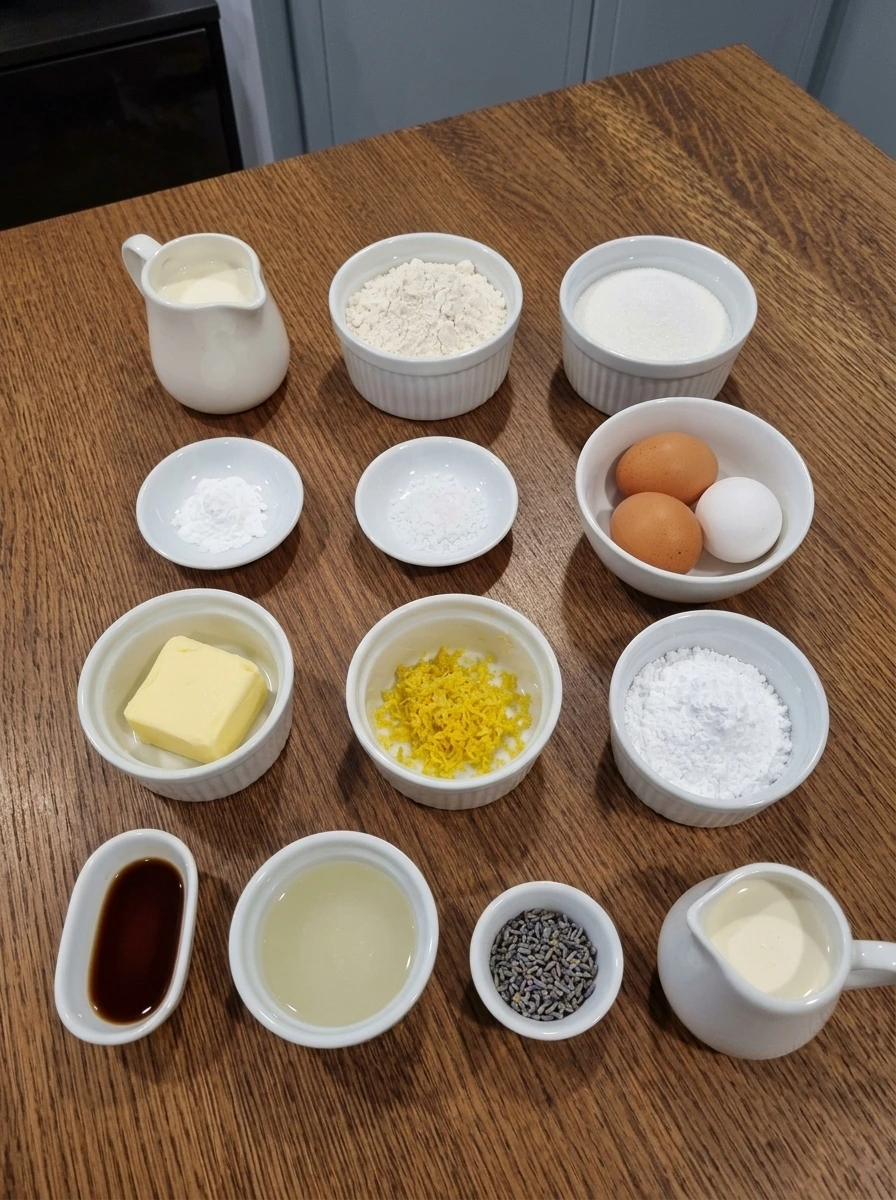
Here’s what I use for this recipe and you can always make substitutions if you prefer.
- all purpose flour: This gives the mini cakes their structure while keeping the crumb tender.
- baking powder: This helps the cakes rise into light, soft little rounds.
- fine sea salt: This balances the sweetness and sharpens the lemon flavor.
- unsalted butter, softened: This adds rich flavor and creates a soft, moist cake texture.
- granulated sugar: This sweetens the batter and helps the cakes stay tender.
- large eggs: These bind the batter and contribute lift and richness.
- lemon zest: This brings bold citrus aroma and concentrated lemon flavor.
- fresh lemon juice: This adds bright acidity to the cakes and glaze.
- vanilla extract: This rounds out the lemon and floral notes with warmth.
- whole milk: This loosens the batter and keeps the crumb soft.
- powdered sugar: This forms the smooth, sweet base of the glaze.
- culinary lavender, finely crushed: This gives the glaze its gentle floral flavor and aroma.
- heavy cream: This helps adjust the glaze to a pourable, silky consistency.
Tools You’ll Need
- mixing bowls: Use medium bowls for batter and glaze.
- whisk: Helpful for blending dry ingredients and glaze.
- hand mixer: Makes creaming butter and sugar much easier.
- microplane or fine grater: For finely zesting the lemons.
- mini cake tray: Use a tray with small round cake cavities.
- small scoop or spoon: For portioning the batter evenly.
Instructions
Step 1: Measure the dry ingredients
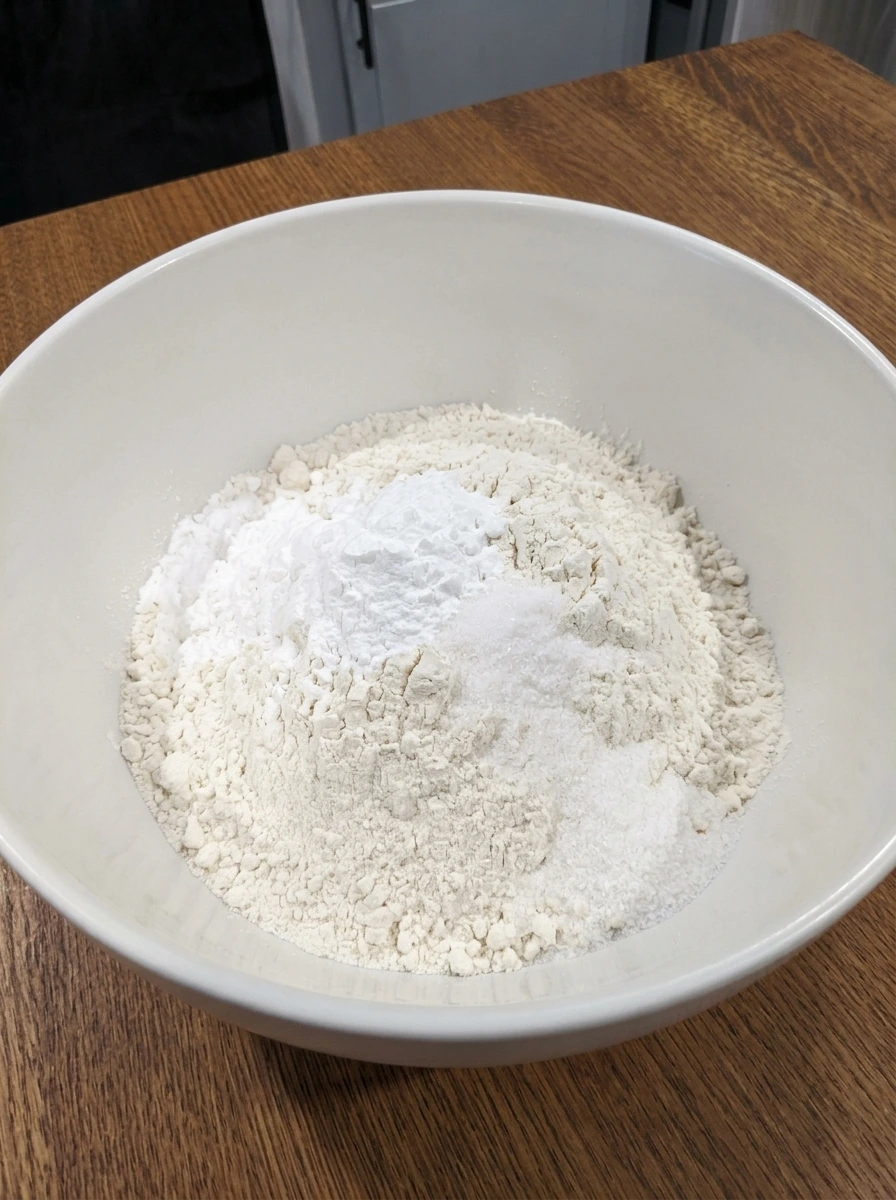
Start by measuring the flour, baking powder, and salt into a white ceramic mixing bowl. The dry mixture should look pale, soft, and evenly layered in the bowl before anything is stirred together. This first stage keeps the recipe organized and makes the mixing steps easier to follow. Visually, you should see distinct dry ingredients gathered together with no moisture added yet and no signs of heat or cooking.
Tip: Level off the flour for the most accurate texture.
Step 2: Whisk the dry mixture smooth
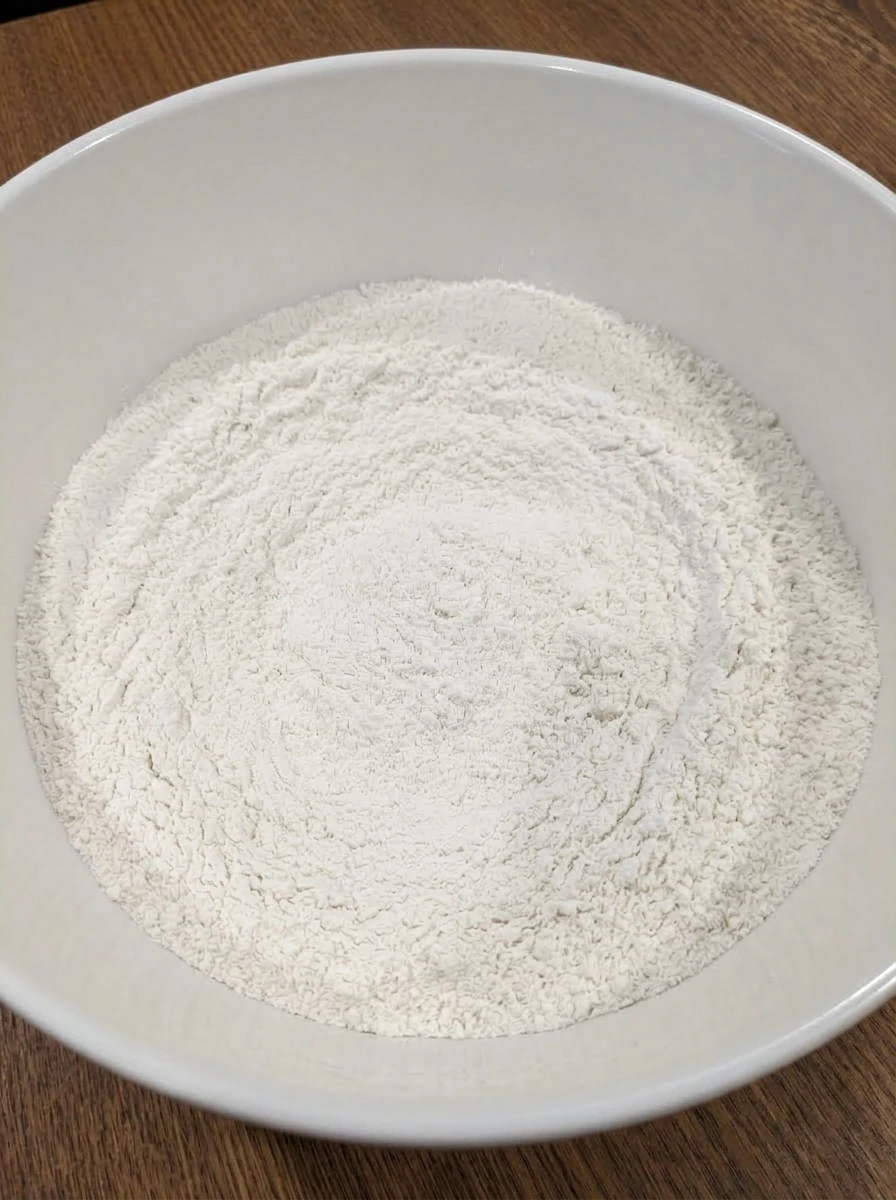
Whisk the flour, baking powder, and salt together until the mixture looks evenly blended and airy. The surface should appear uniform with no streaks of baking powder or pockets of salt left behind. At this point the mixture is still fully raw and dry, but it should look lighter and more consistent than before. This visual change helps ensure the cakes bake up evenly later.
Tip: A quick whisk now helps prevent lumps in the batter later.
Step 3: Zest and juice the lemons
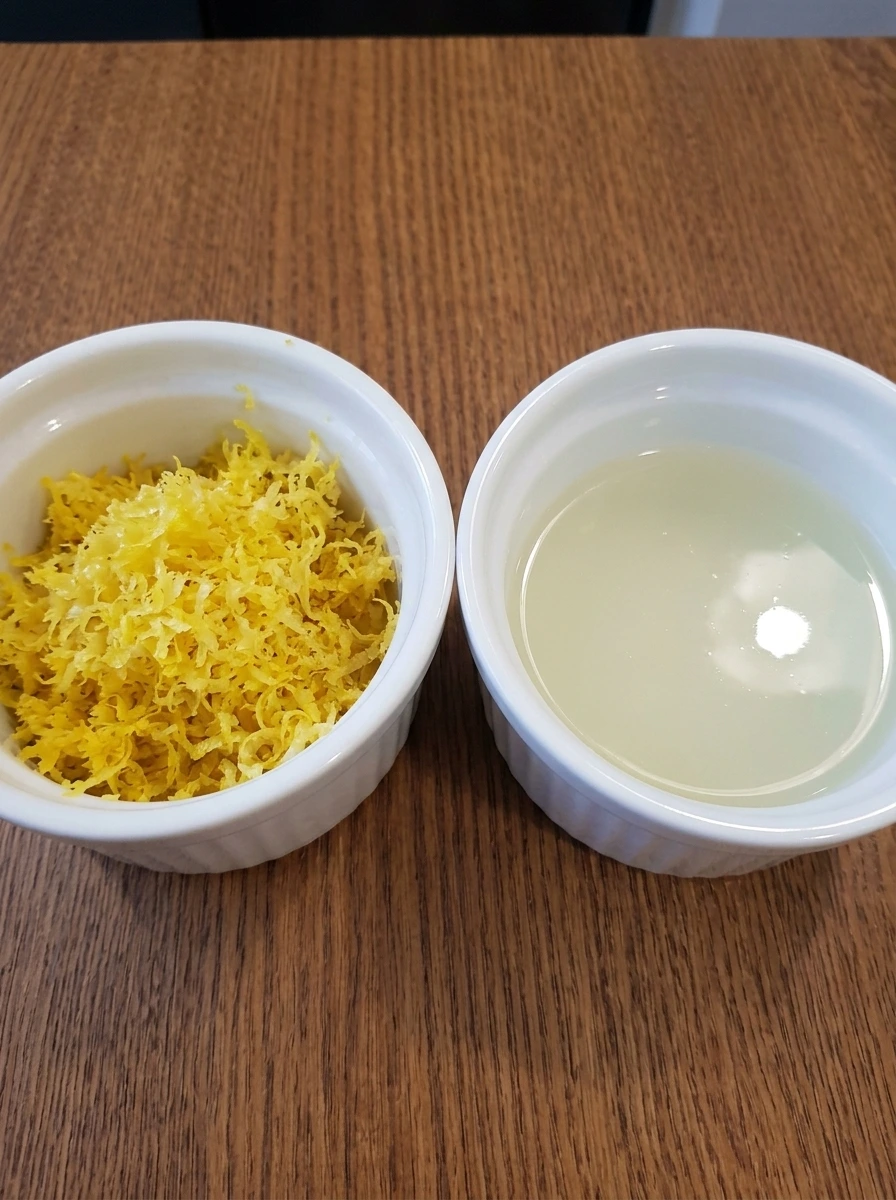
Grate the lemon zest into a small white ramekin until you have a fluffy, bright yellow pile with a fragrant, slightly moist texture. Squeeze the lemons into a separate white ramekin so the juice is ready and strained if needed. This prep step gives you two different citrus elements to work with. The zest should look vivid and finely textured, while the juice should look glossy and pale yellow, both still completely fresh and uncooked.
Tip: Only grate the yellow part of the peel to avoid bitterness.
Step 4: Cream the butter and sugar
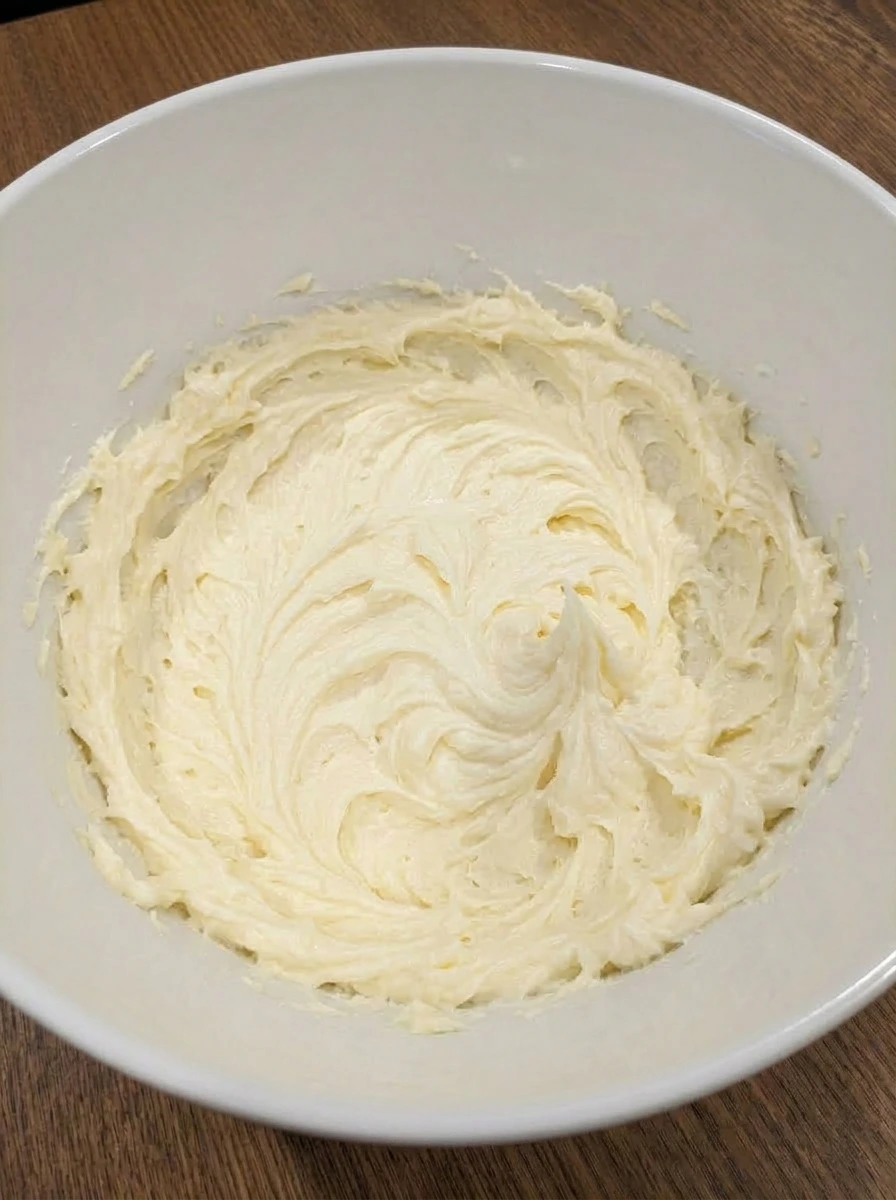
Place the softened butter and granulated sugar in a white ceramic mixing bowl and beat until the mixture looks pale, fluffy, and creamy. The texture should change from dense and grainy to lighter and smoother as the sugar is worked in. This stage is one of the most visible transformations in the batter. You want the mixture to hold soft swirls and look noticeably lighter in color, while still remaining uncooked with no signs of heat.
Tip: Use softened butter so it blends smoothly without lumps.
Step 5: Mix in the eggs and vanilla
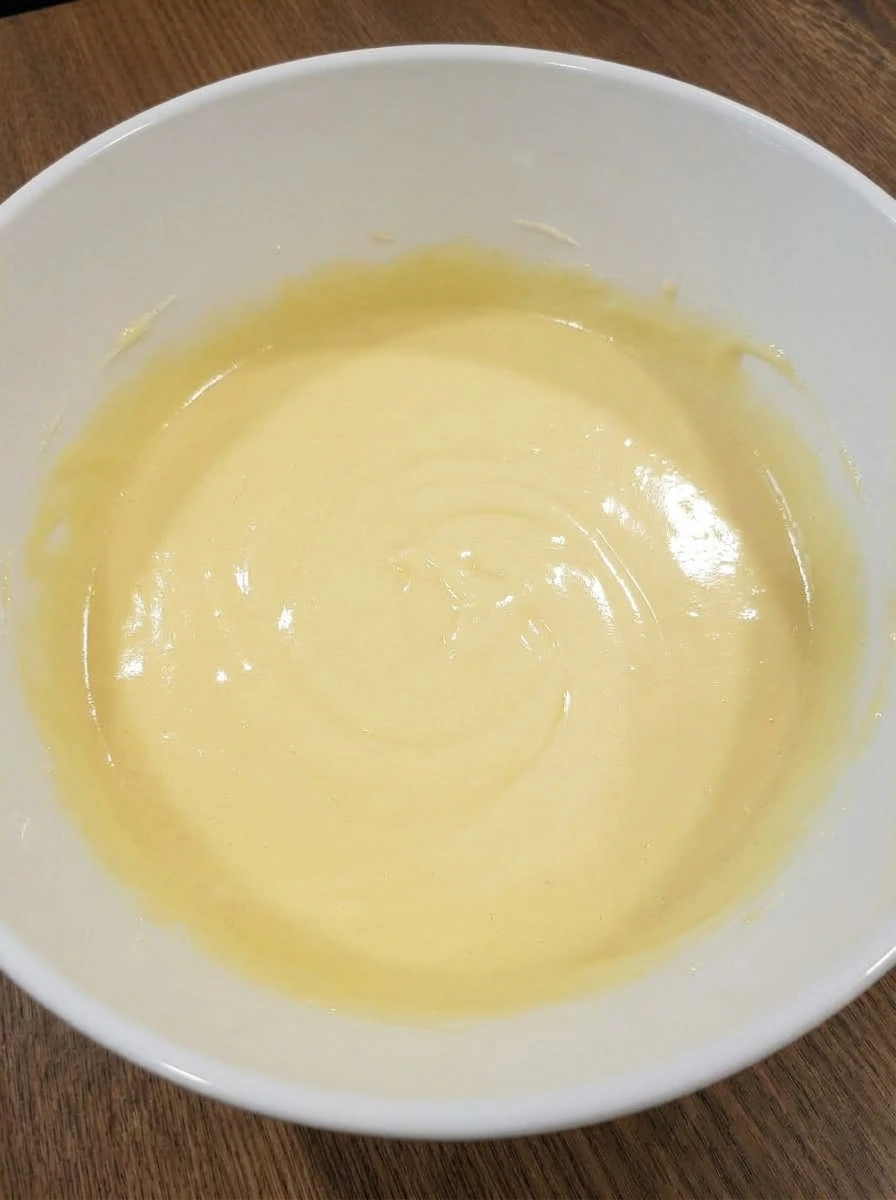
Add the eggs and vanilla extract to the creamed butter mixture and beat until the batter turns smoother, glossier, and slightly looser. The color should deepen to a warm pale yellow, and the surface should look thick but silky. The eggs should be fully blended with no streaks of yolk left behind. This creates the rich base for the cakes while the batter remains fully raw and uncooked.
Tip: Add the eggs one at a time for the smoothest batter.
Step 6: Blend in the lemon zest and juice
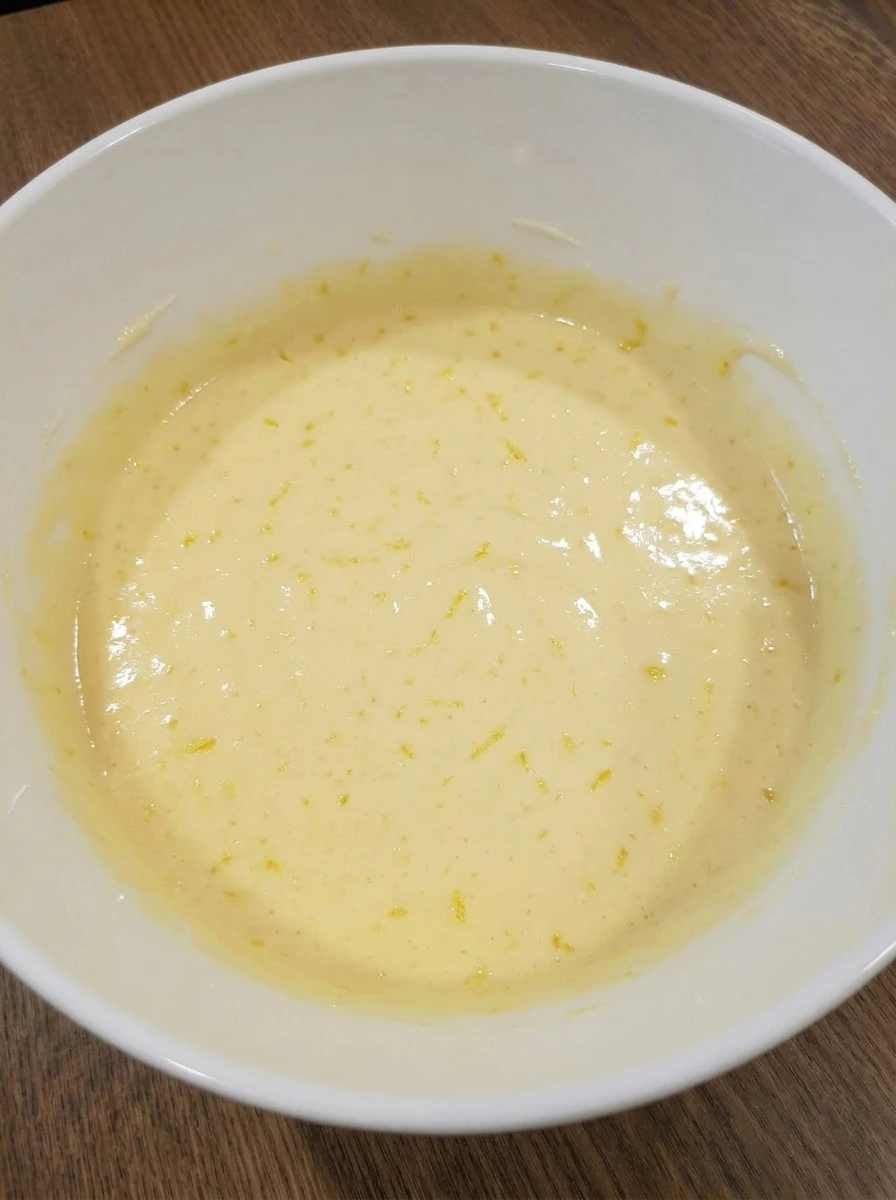
Stir the lemon zest and lemon juice into the batter until the mixture looks bright, fragrant, and evenly speckled with tiny yellow flecks. The batter should appear slightly looser from the juice, with a fresh citrus sheen. This is where the lemon character becomes visible. You should see the zest suspended throughout the pale batter, with no separation and no signs of cooking or heat.
Tip: Fold gently so the batter stays light.
Step 7: Alternate the dry mixture and milk
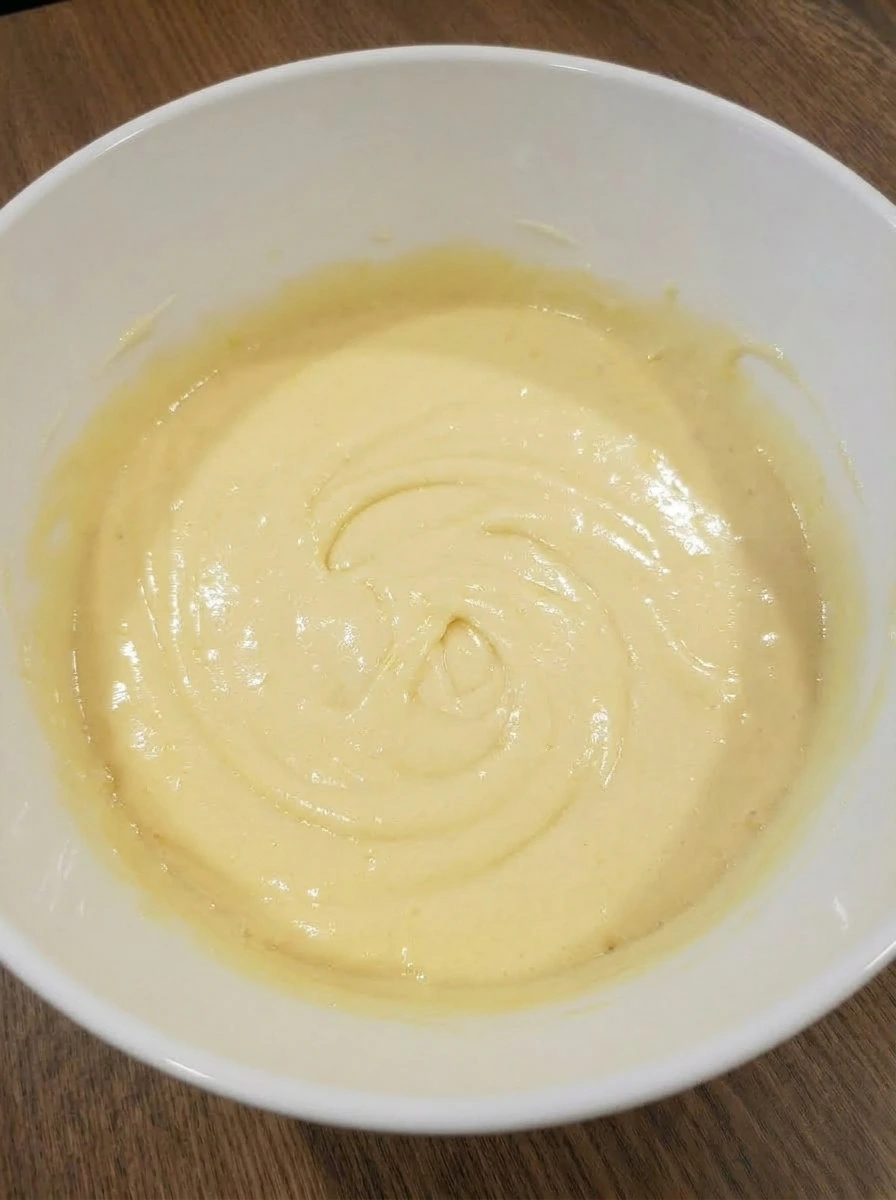
Add the whisked dry ingredients and milk in stages, mixing just until the batter becomes smooth, thick, and spoonable. The final batter should look creamy and uniform, with a soft pale yellow color and no dry patches remaining. This stage brings the batter to its finished form. Visually, it should hold its shape lightly in the bowl, with a plush texture that looks ready to portion but still fully raw and uncooked.
Tip: Stop mixing as soon as the batter looks smooth to keep the cakes tender.
Step 8: Portion the batter into the cake tray
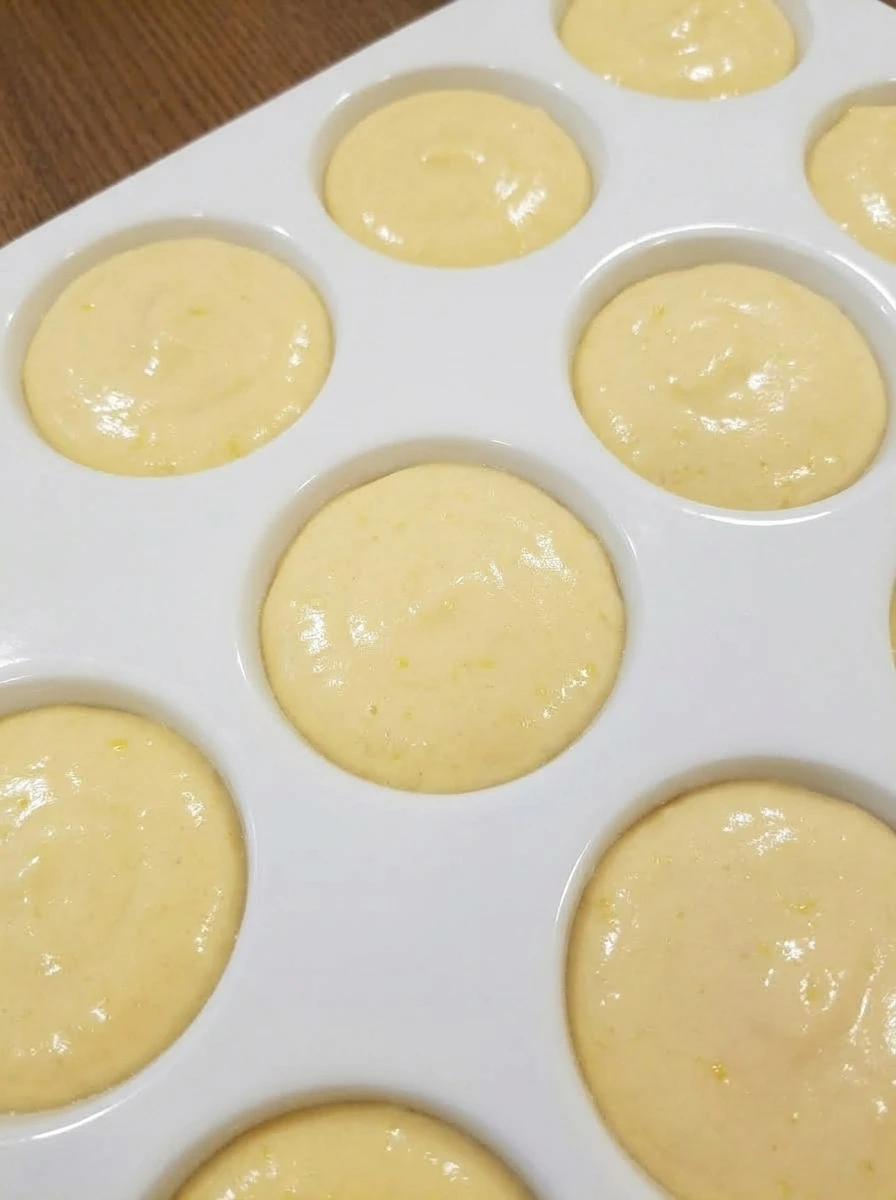
Spoon the batter evenly into the cavities of a white ceramic mini cake tray so each one is about two thirds full. The batter should sit in rounded mounds with smooth tops and an even pale yellow color. This is the final raw stage before the cakes are baked. The batter remains uncooked with no surface change yet, but it should be neatly portioned and consistent from cavity to cavity.
Tip: Use a small scoop for evenly sized cakes.
Step 9: Cool the baked mini cakes
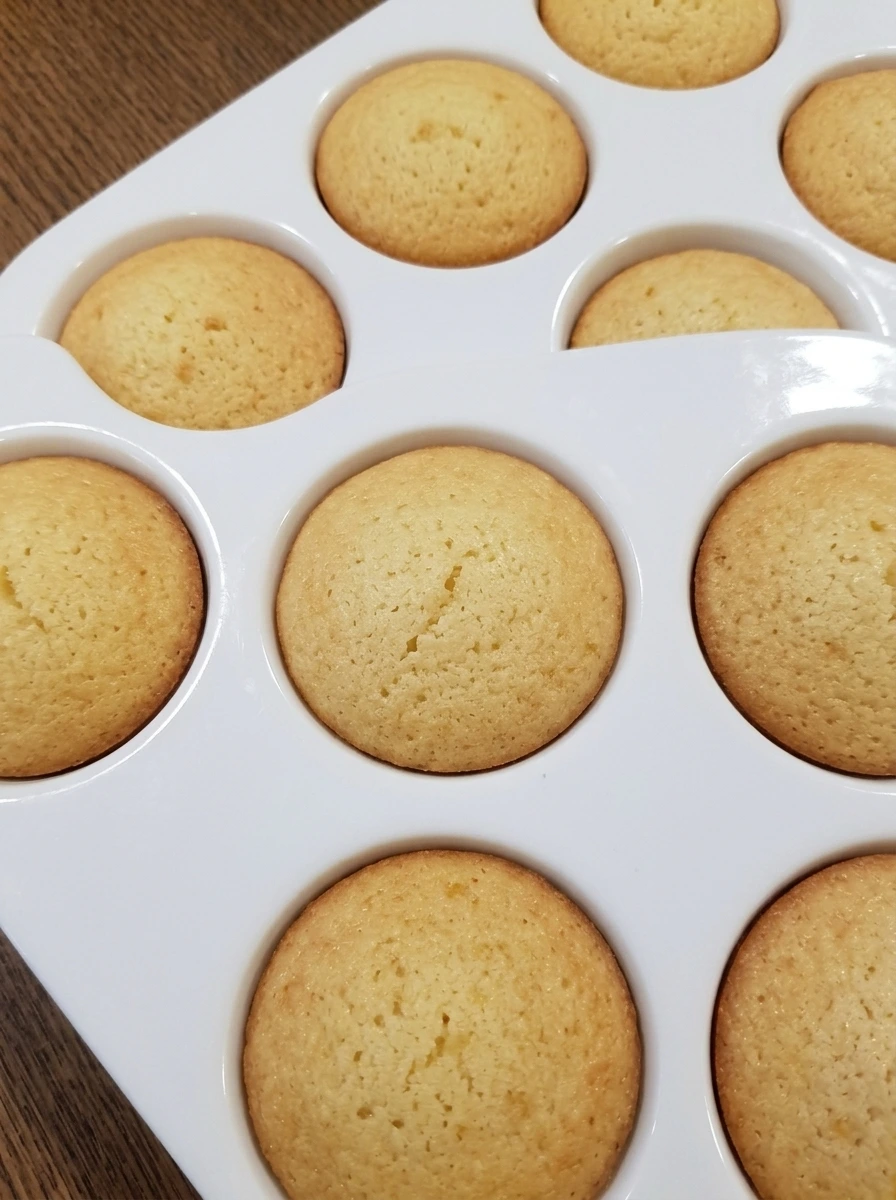
After baking, let the mini cakes rest in the tray and then transfer them to cool completely. The cakes should now look fully cooked with light golden tops, soft rounded edges, and a tender, fine crumb structure. This resting stage is important because the cakes need to lose excess warmth before glazing. Visually, they should look dry on the surface, set in shape, and no longer glossy from raw batter.
Tip: Cool completely so the glaze does not melt off.
Step 10: Mix the lavender glaze
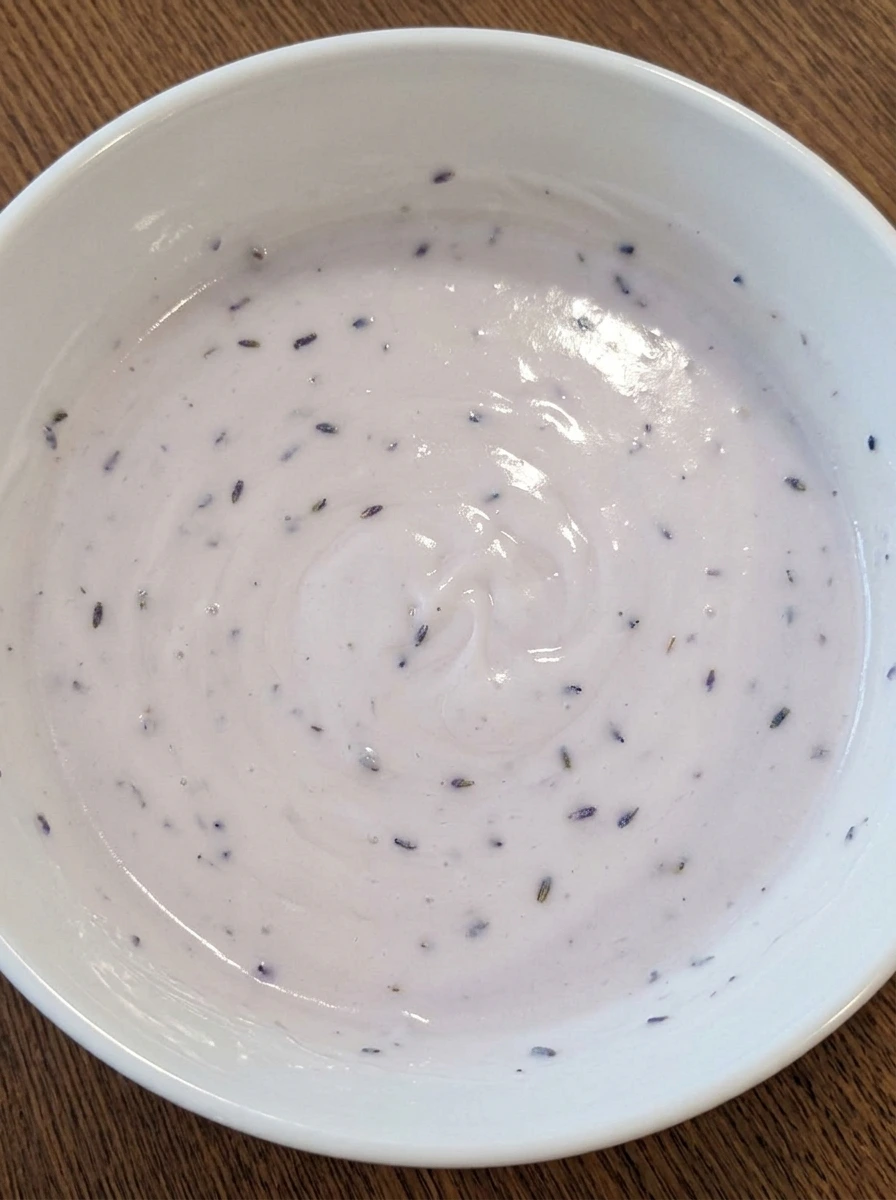
In a white ceramic mixing bowl, whisk the powdered sugar, crushed culinary lavender, lemon juice, and enough heavy cream to make a smooth glaze. The mixture should look pale, glossy, and thick enough to slowly ribbon from the whisk. The crushed lavender should be visible as tiny soft flecks throughout the glaze. This mixture remains uncooked with no heat involved, and the texture should be silky rather than stiff or runny.
Tip: Add the cream a little at a time to control the thickness.
Step 11: Glaze the cooled cakes
Spoon the lavender glaze over the tops of the cooled mini cakes so it drapes gently down the sides. The cakes should now look glossy and elegant, with the pale glaze settling into soft drips and a delicate floral speckle. This step creates the finished look of the dessert. The cakes are fully cooked, while the glaze is freshly added and just beginning to set on the surface.
Tip: Glaze slowly so each cake gets an even coat.
Step 12: Plate the mini lemon cakes and serve
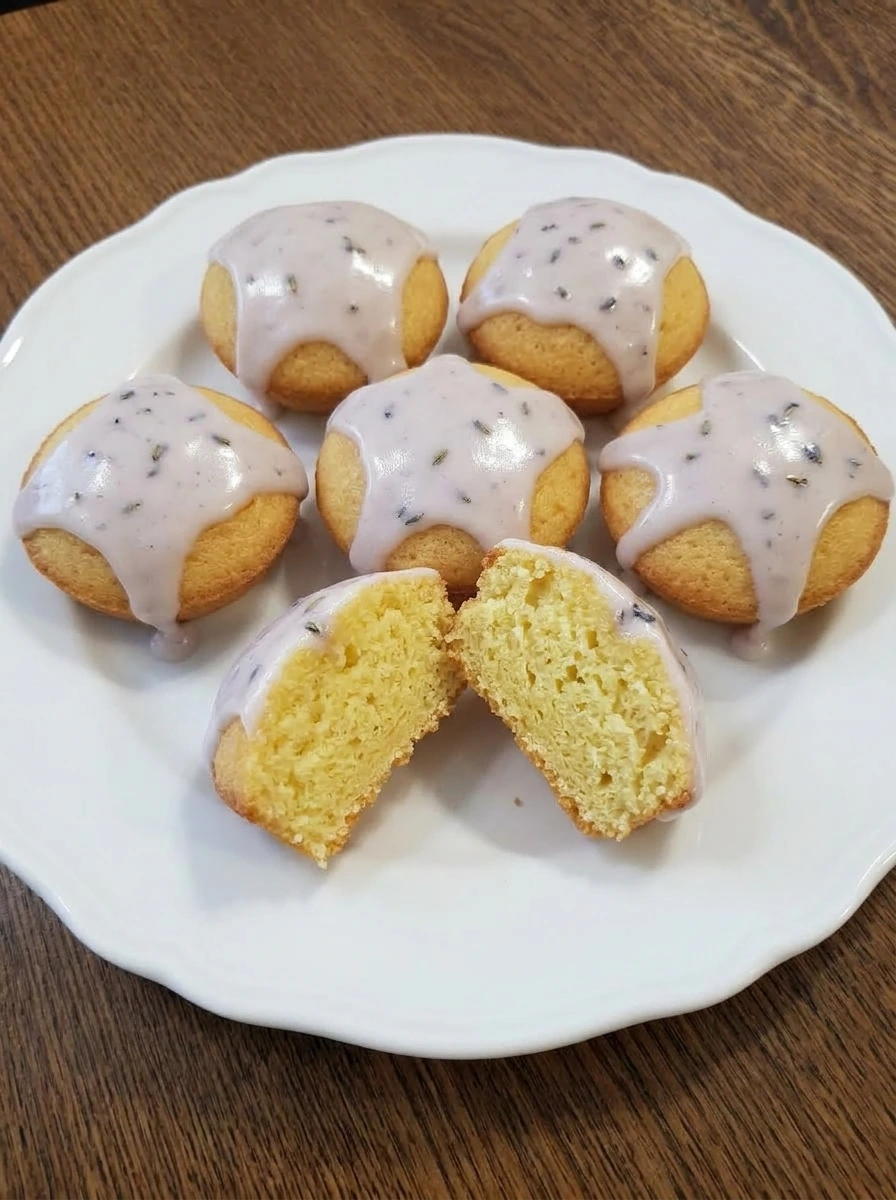
Arrange the glazed mini lemon cakes on a white scalloped dessert plate once the glaze has lightly set. The cakes should look polished and ready to serve, with soft golden edges, pale lavender glaze, and a tender lemon crumb visible if one is split open. This final plated stage completes the recipe from start to finish. The dessert now looks finished, balanced, and inviting, with every detail ready for serving.
Tip: Let the glaze set for a few minutes before plating for cleaner edges.
Pro Tips
- Rub the lemon zest into the sugar before mixing for even more citrus flavor.
- Do not overmix once the flour goes in or the cakes can turn dense.
- Crush the culinary lavender finely so the glaze stays delicate and smooth.
- Glaze only fully cooled cakes to keep the finish neat and glossy.
Storage Instructions
Store the mini lemon cakes in an airtight container in the fridge for up to 4 days. For longer storage, freeze the unglazed cakes tightly wrapped for up to 2 months, then thaw in the fridge and glaze before serving. The cakes stay freshest when kept chilled, and they are best brought to room temperature before eating rather than reheated.
Frequently Asked Questions
Can I make these mini lemon cakes ahead of time?
Yes, these are great for making ahead. You can bake the mini cakes a day in advance and keep them covered once fully cooled. Add the lavender glaze the day you plan to serve them for the freshest look and texture.
What does lavender glaze taste like on lemon cakes?
Lavender glaze has a light floral flavor that pairs beautifully with bright lemon. It should taste gentle and fragrant, not strong or soapy, especially when you use culinary lavender in a small amount. The lemon keeps the flavor fresh and balanced.
Can I use bottled lemon juice instead of fresh lemon juice?
Fresh lemon juice is the best choice for this recipe because it gives the cakes a cleaner and brighter flavor. Bottled juice can work in a pinch, but the taste may be flatter. Fresh lemon zest also adds a lot of flavor, so try not to skip it.
How do I keep the glaze from becoming too thin?
Start with the smaller amount of cream and whisk slowly. If the glaze looks too thick, add more cream a few drops at a time until it ribbons gently. If it gets too thin, whisk in a little more powdered sugar to bring it back.
Final Thoughts
This is the kind of recipe I wish I had found years ago. It would have saved me so many last minute dessert worries.
But now that I have it, I make it all the time and I think you will too. If you enjoyed this, check out some of my other popular recipes on the blog.
And leave a comment, I read every single one and it really makes my day.
Print
Mini Lemon Cakes with Lavender Glaze
- Total Time: 45 minutes
- Yield: 4 servings
Description
Looking for the best Mini Lemon Cakes with Lavender Glaze? This one is quick, easy, and simple with bright citrus flavor and a delicate floral finish. Whether you are after a healthy dessert idea or a simple sweet for brunch, this delivers every time. Great for holiday trays, potluck tables, party desserts, meal prep treats, and even a weeknight dinner finish. Save this easy recipe for your next brunch!
Ingredients
- 1 1/2 cups all purpose flour
- 1 1/2 teaspoons baking powder
- 1/4 teaspoon fine sea salt
- 1/2 cup unsalted butter, softened
- 3/4 cup granulated sugar
- 2 large eggs
- 2 tablespoons lemon zest
- 3 tablespoons fresh lemon juice
- 1 teaspoon vanilla extract
- 1/2 cup whole milk
- 1 1/4 cups powdered sugar
- 1 teaspoon culinary lavender, finely crushed
- 1 to 2 tablespoons heavy cream
Instructions
- Start by measuring the flour, baking powder, and salt into a white ceramic mixing bowl. The dry mixture should look pale, soft, and evenly layered in the bowl before anything is stirred together. This first stage keeps the recipe organized and makes the mixing steps easier to follow. Visually, you should see distinct dry ingredients gathered together with no moisture added yet and no signs of heat or cooking.
- Whisk the flour, baking powder, and salt together until the mixture looks evenly blended and airy. The surface should appear uniform with no streaks of baking powder or pockets of salt left behind. At this point the mixture is still fully raw and dry, but it should look lighter and more consistent than before. This visual change helps ensure the cakes bake up evenly later.
- Grate the lemon zest into a small white ramekin until you have a fluffy, bright yellow pile with a fragrant, slightly moist texture. Squeeze the lemons into a separate white ramekin so the juice is ready and strained if needed. This prep step gives you two different citrus elements to work with. The zest should look vivid and finely textured, while the juice should look glossy and pale yellow, both still completely fresh and uncooked.
- Place the softened butter and granulated sugar in a white ceramic mixing bowl and beat until the mixture looks pale, fluffy, and creamy. The texture should change from dense and grainy to lighter and smoother as the sugar is worked in. This stage is one of the most visible transformations in the batter. You want the mixture to hold soft swirls and look noticeably lighter in color, while still remaining uncooked with no signs of heat.
- Add the eggs and vanilla extract to the creamed butter mixture and beat until the batter turns smoother, glossier, and slightly looser. The color should deepen to a warm pale yellow, and the surface should look thick but silky. The eggs should be fully blended with no streaks of yolk left behind. This creates the rich base for the cakes while the batter remains fully raw and uncooked.
- Stir the lemon zest and lemon juice into the batter until the mixture looks bright, fragrant, and evenly speckled with tiny yellow flecks. The batter should appear slightly looser from the juice, with a fresh citrus sheen. This is where the lemon character becomes visible. You should see the zest suspended throughout the pale batter, with no separation and no signs of cooking or heat.
- Add the whisked dry ingredients and milk in stages, mixing just until the batter becomes smooth, thick, and spoonable. The final batter should look creamy and uniform, with a soft pale yellow color and no dry patches remaining. This stage brings the batter to its finished form. Visually, it should hold its shape lightly in the bowl, with a plush texture that looks ready to portion but still fully raw and uncooked.
- Spoon the batter evenly into the cavities of a white ceramic mini cake tray so each one is about two thirds full. The batter should sit in rounded mounds with smooth tops and an even pale yellow color. This is the final raw stage before the cakes are baked. The batter remains uncooked with no surface change yet, but it should be neatly portioned and consistent from cavity to cavity.
- After baking, let the mini cakes rest in the tray and then transfer them to cool completely. The cakes should now look fully cooked with light golden tops, soft rounded edges, and a tender, fine crumb structure. This resting stage is important because the cakes need to lose excess warmth before glazing. Visually, they should look dry on the surface, set in shape, and no longer glossy from raw batter.
- In a white ceramic mixing bowl, whisk the powdered sugar, crushed culinary lavender, lemon juice, and enough heavy cream to make a smooth glaze. The mixture should look pale, glossy, and thick enough to slowly ribbon from the whisk. The crushed lavender should be visible as tiny soft flecks throughout the glaze. This mixture remains uncooked with no heat involved, and the texture should be silky rather than stiff or runny.
- Spoon the lavender glaze over the tops of the cooled mini cakes so it drapes gently down the sides. The cakes should now look glossy and elegant, with the pale glaze settling into soft drips and a delicate floral speckle. This step creates the finished look of the dessert. The cakes are fully cooked, while the glaze is freshly added and just beginning to set on the surface.
- Arrange the glazed mini lemon cakes on a white scalloped dessert plate once the glaze has lightly set. The cakes should look polished and ready to serve, with soft golden edges, pale lavender glaze, and a tender lemon crumb visible if one is split open. This final plated stage completes the recipe from start to finish. The dessert now looks finished, balanced, and inviting, with every detail ready for serving.
Notes
Pro Tips:
- Rub the lemon zest into the sugar before mixing for even more citrus flavor.
- Do not overmix once the flour goes in or the cakes can turn dense.
- Crush the culinary lavender finely so the glaze stays delicate and smooth.
- Glaze only fully cooled cakes to keep the finish neat and glossy.
Storage: Store the mini lemon cakes in an airtight container in the fridge for up to 4 days. For longer storage, freeze the unglazed cakes tightly wrapped for up to 2 months, then thaw in the fridge and glaze before serving. The cakes stay freshest when kept chilled, and they are best brought to room temperature before eating rather than reheated.
- Prep Time: 15 minutes
- Cook Time: 30 minutes
- Category: Dessert
- Cuisine: American