


:::writing{variant=”document” id=”58391″}
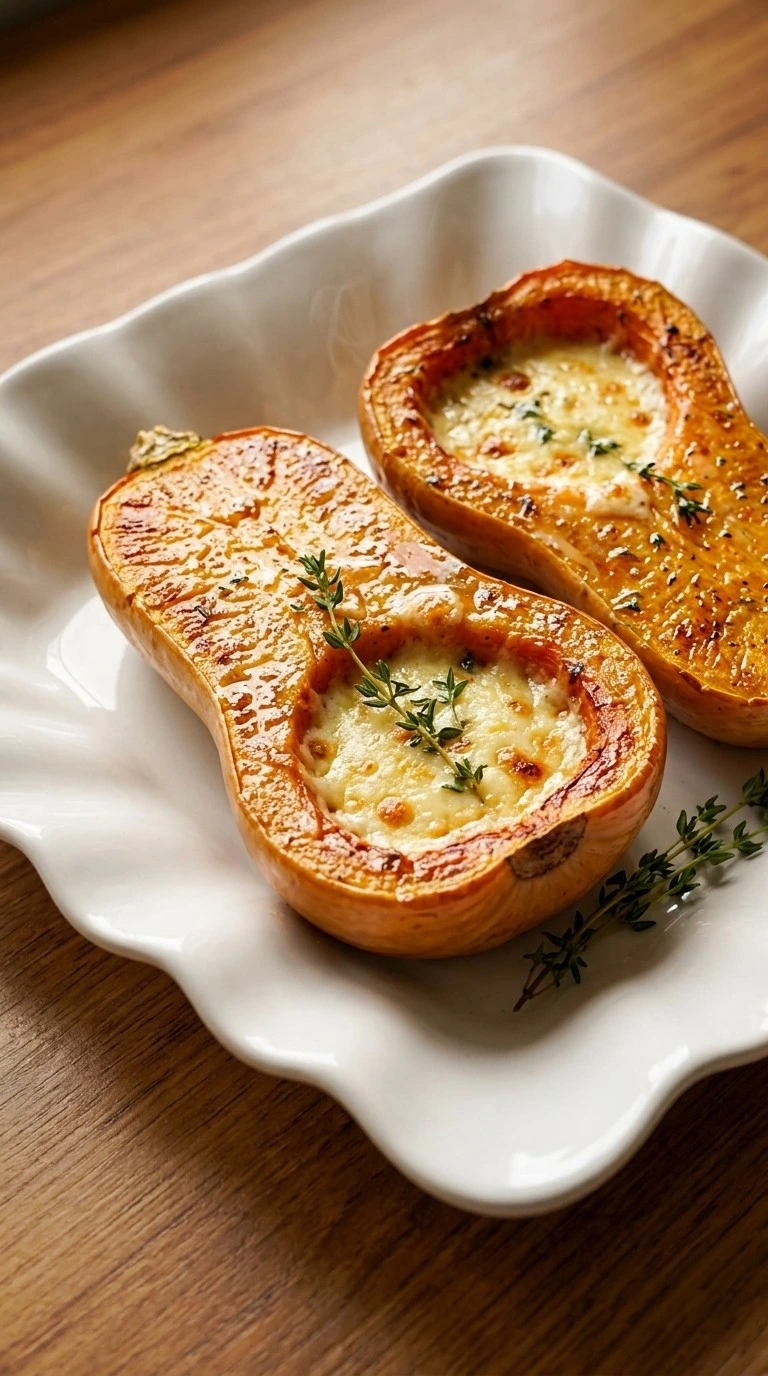
I honestly haven’t shared many squash recipes on my blog, but this Thanksgiving Butternut Squash recipe was one I knew I had to share. It’s inspired by classic fall flavors and is surprisingly easy to make. This warm holiday dish has a creamy texture, roasted sweetness, and all the cozy flavors you want during the season. When people think about butternut squash Thanksgiving recipes, they sometimes picture a complicated side dish that takes hours to prepare. But this version keeps it simple with roasted squash, fresh herbs, and a rich filling that brings every flavor together. If you love cozy fall recipes, you should also try our Butternut Squash Hummus for another seasonal favorite. This recipe has become one of my favorite Thanksgiving butternut squash recipes because it pairs so well with classic holiday meals. The golden roasted edges and creamy center make it a dish that always gets attention. It’s the perfect comforting side for anyone who wants a homemade Thanksgiving recipe with simple ingredients and delicious flavor.
::: This recipe is especially useful for: butternut squash recipes thanksgiving.
Ingredients
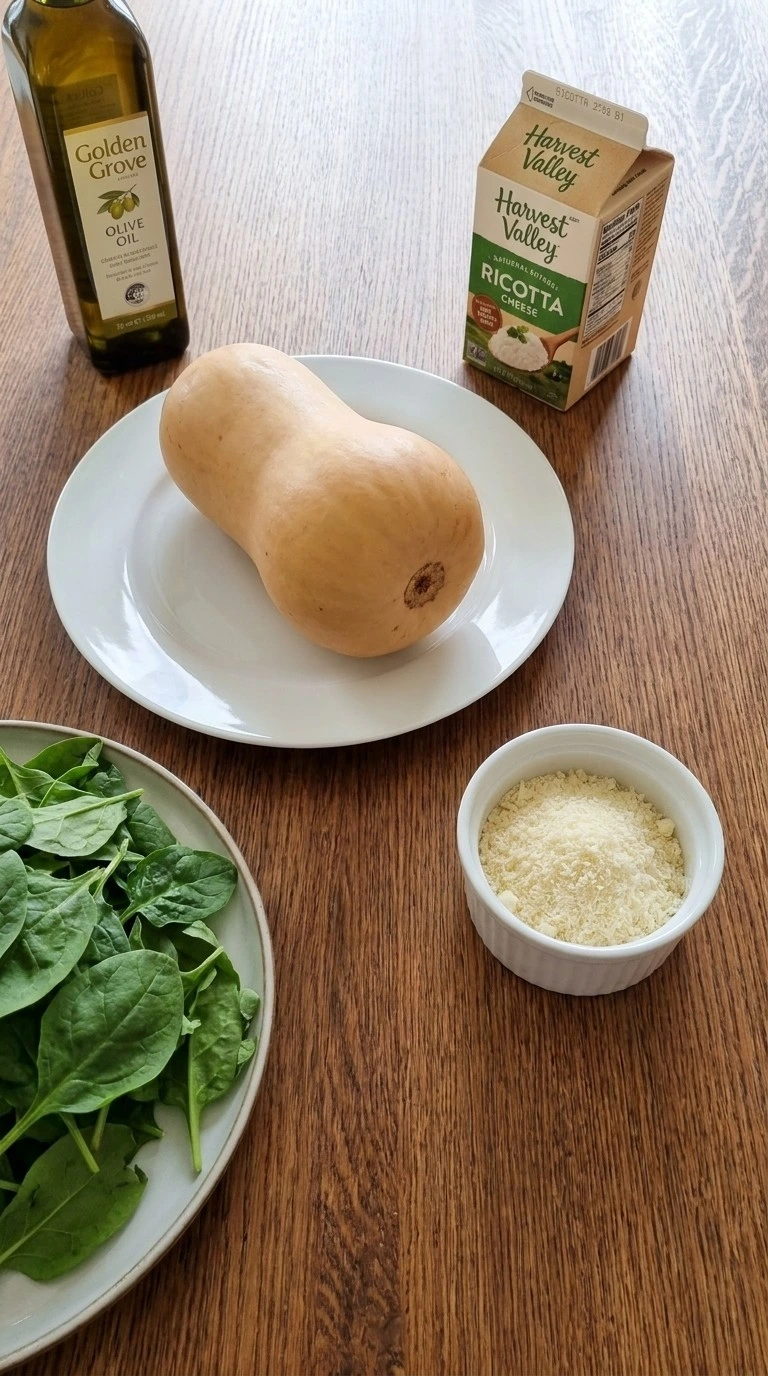
Here’s what I use for this recipe and you can always make substitutions if you prefer.
- butternut squash: Halved lengthwise and seeded to create the roasted base for the filling.
- olive oil: Brushed over the squash surface to help browning and prevent dryness.
- salt: Seasoned throughout the squash and filling for balanced flavor.
- black pepper: Adds mild heat and enhances the roasted vegetable flavor.
- fresh thyme: Used for herbal aroma and a classic fall flavor.
- ricotta cheese: Mixed into the filling for a creamy and soft texture.
- parmesan cheese: Grated and added for salty flavor and golden topping.
- spinach: Chopped to add color and earthy flavor to the filling.
- garlic: Minced to bring savory depth to the cheese mixture.
Tools You’ll Need
- Large baking tray: A sturdy 13×18 inch baking tray supports the squash halves evenly and prevents tipping, while thin trays can warp and cook edges too quickly.
- Large mixing bowl: A 4-quart glass bowl gives enough space for combining the filling without crushing the spinach, while smaller bowls make mixing uneven.
- Sharp chef knife: A 8-inch chef knife makes clean squash cuts safer, while dull blades can slip and create uneven halves.
Instructions
Step 1: Slice the butternut squash halves
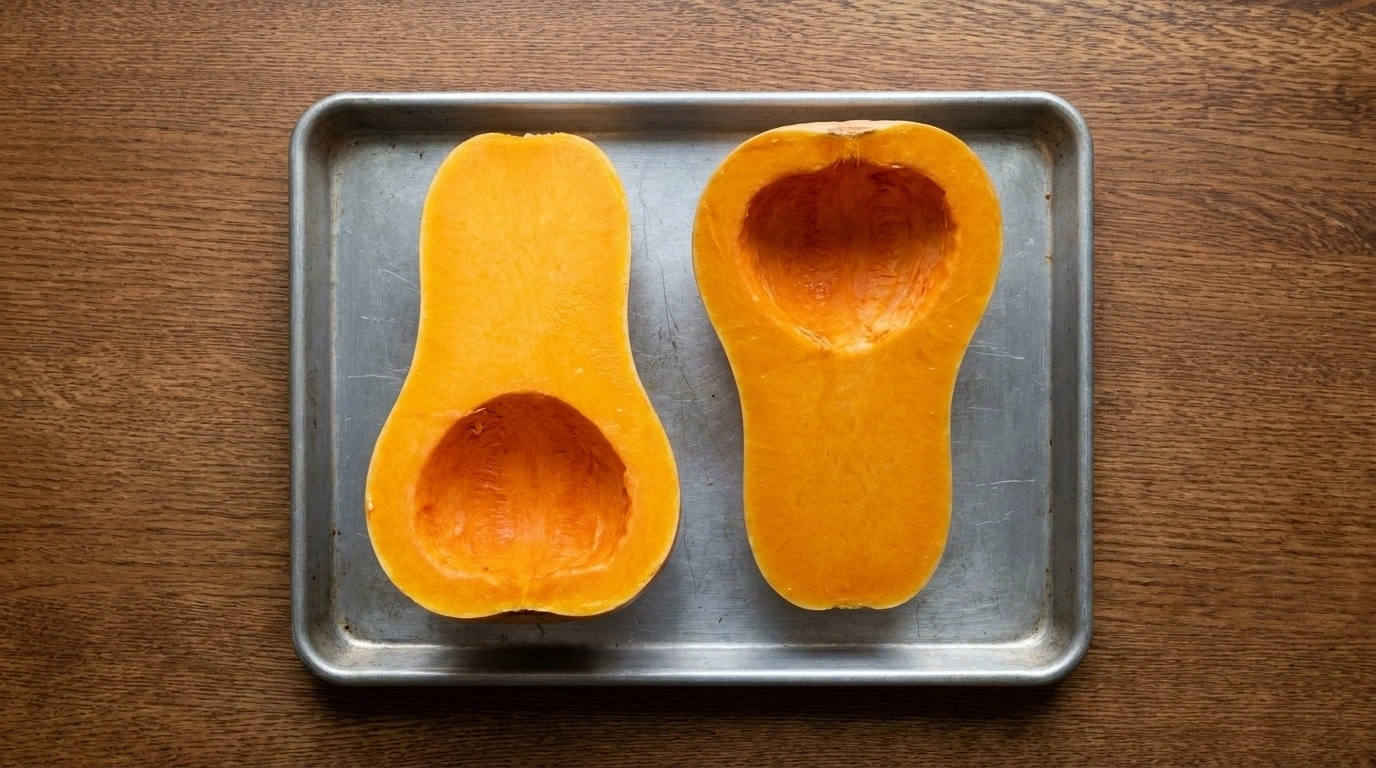
Preheat the oven to 375°F. Slice 2 medium butternut squash lengthwise and remove seeds using a spoon. Place the halves cut-side up and season with olive oil, salt, pepper and thyme.
Roast at 375°F for 20 minutes after arranging the squash evenly. (I tried 400°F first, the edges softened too fast before the center cooked through. ) The flesh will start turning bright orange with slightly softened edges.
You’ll smell the thyme releasing its aroma and see moisture forming on the surface. Miss this window and the squash can dry before the filling goes in. Roast at 375°F for 20 minutes, gentle heat softens the flesh without collapsing the squash shape.
Tip: Choose squash with a firm stem and matte skin because softer squash can release excess water during roasting.
Step 2: Mix the creamy filling
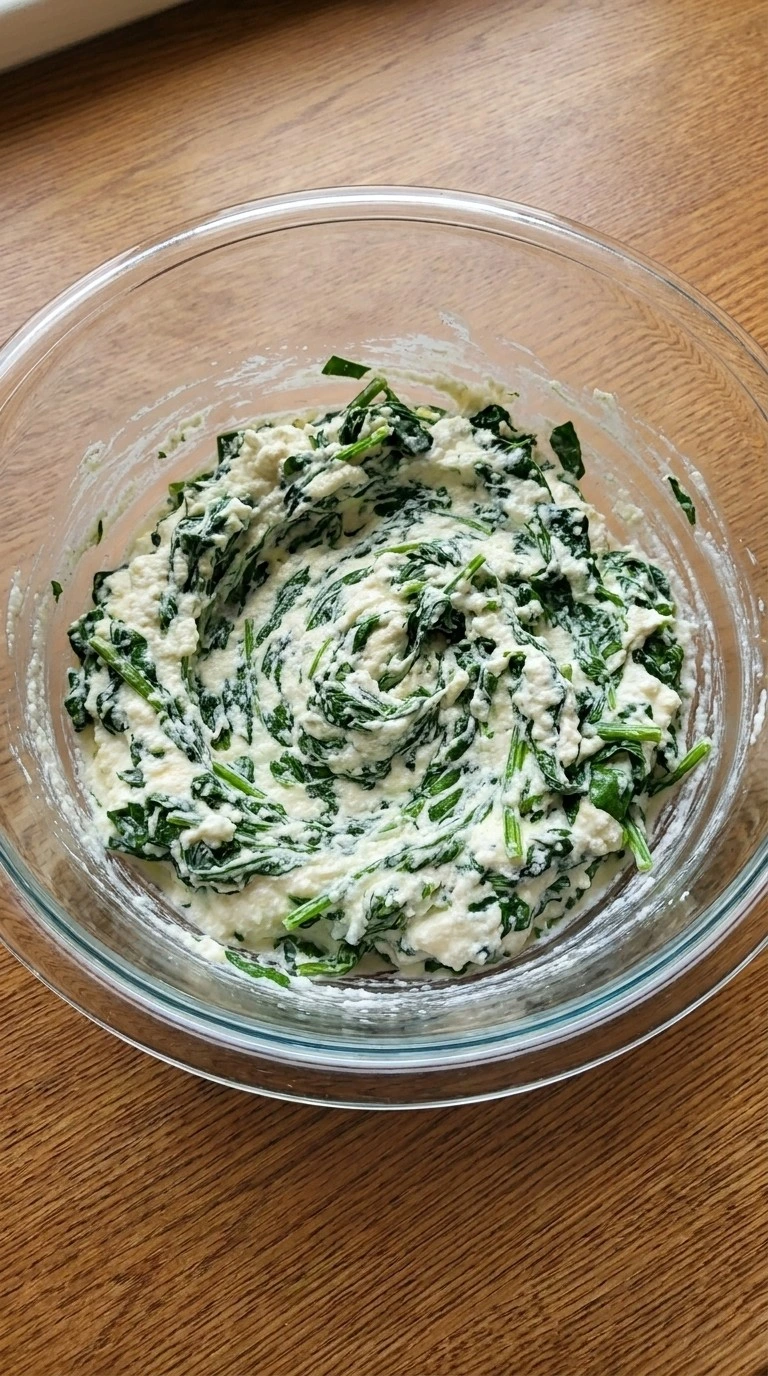
Combine 1 cup ricotta cheese, 1/2 cup grated parmesan cheese, 2 cups chopped spinach and minced garlic in a bowl. Mix at room temperature for 5 minutes by folding gently with a spatula until combined. Keep the mixture thick so it stays inside the squash.
The filling should look creamy with visible green spinach pieces throughout. You’ll notice the parmesan aroma and a soft texture when pressed. Skip the proper mixing time and the filling can separate during baking.
Fold the filling for 5 minutes, even distribution keeps every bite balanced.
Tip: Let the ricotta sit out for 15 minutes before mixing so the filling spreads without lumps.
Step 3: Fill the roasted squash halves
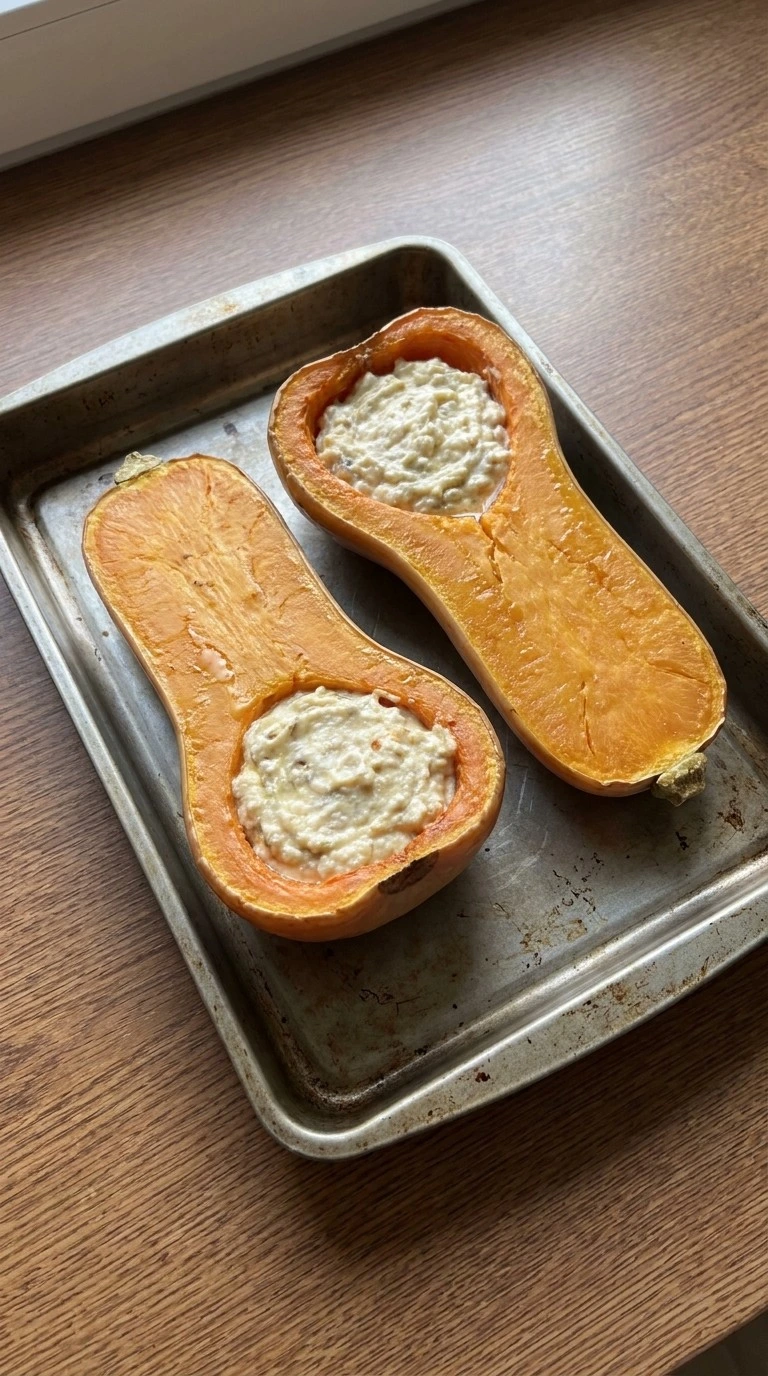
Spoon the ricotta filling into the 2 roasted butternut squash halves and spread it unevenly across the cavities. Bake at 375°F for 15 to 18 minutes until the filling begins to set. Use the back of a spoon to press the filling into the roasted squash.
The top will become lightly golden and the filling will look firm around the edges. You’ll hear gentle bubbling near the center and smell the baked herbs. Go past 18 minutes and the cheese filling may become dry.
Bake at 375°F until the center sets, the proteins tighten without losing moisture.
Tip: Leave small peaks in the filling instead of smoothing it completely because they brown better.
Step 4: Finish with golden baked topping
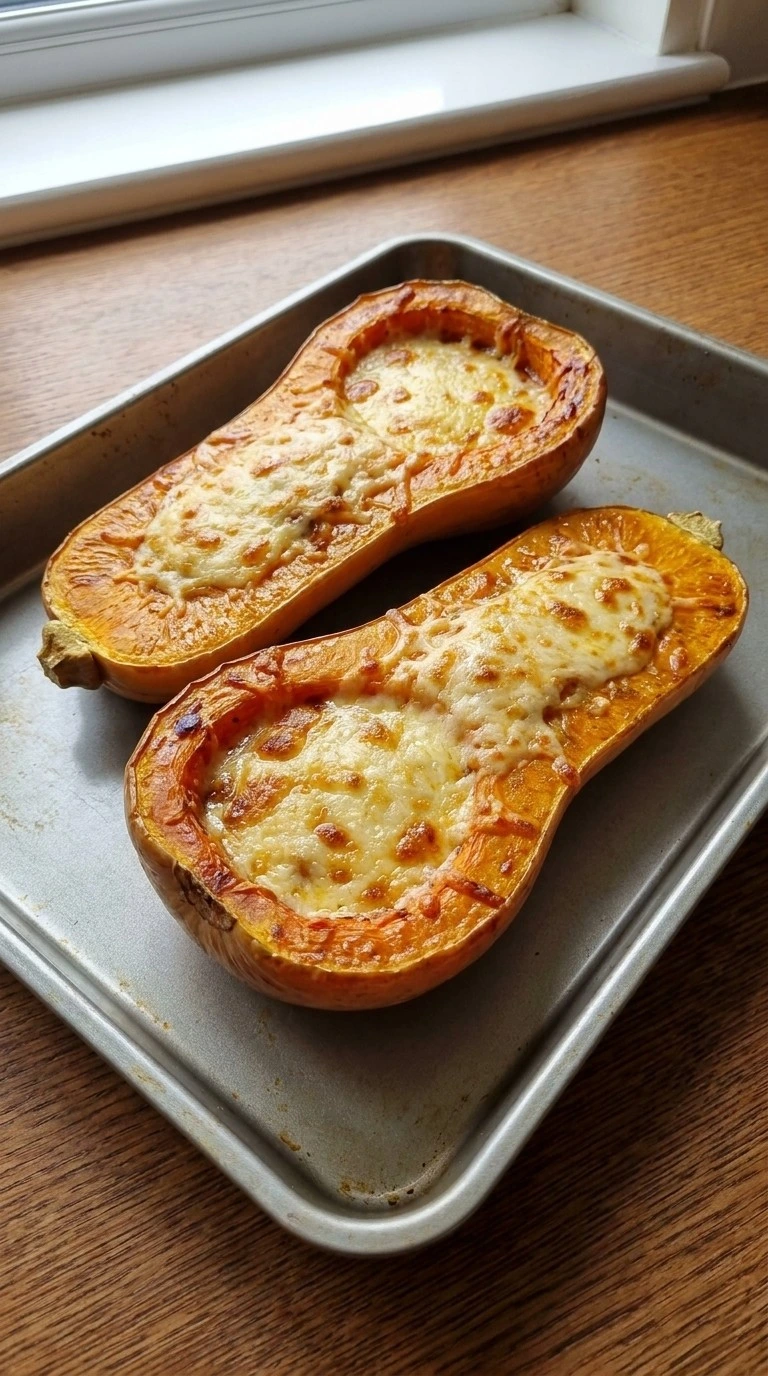
Top the filled squash halves with extra parmesan cheese and return them to a 375°F oven for 8 to 10 minutes. Sprinkle the cheese evenly using your fingers and rotate the tray halfway through baking for even color. The squash should stay intact while the topping melts.
The cheese will turn golden with darker spots and the edges will look glossy. You’ll smell roasted herbs and hear tiny bubbles from the creamy filling. Miss the final bake and the topping stays pale instead of developing flavor.
(I used too much cheese in my first batch and it covered the squash flavor. This amount keeps the balance. ) Bake 8 to 10 minutes until golden, controlled heat creates browned flavor without drying the filling.
Tip: Rest the squash for 5 minutes after baking so the filling thickens slightly before serving.
Step 5: Plate a single squash portion
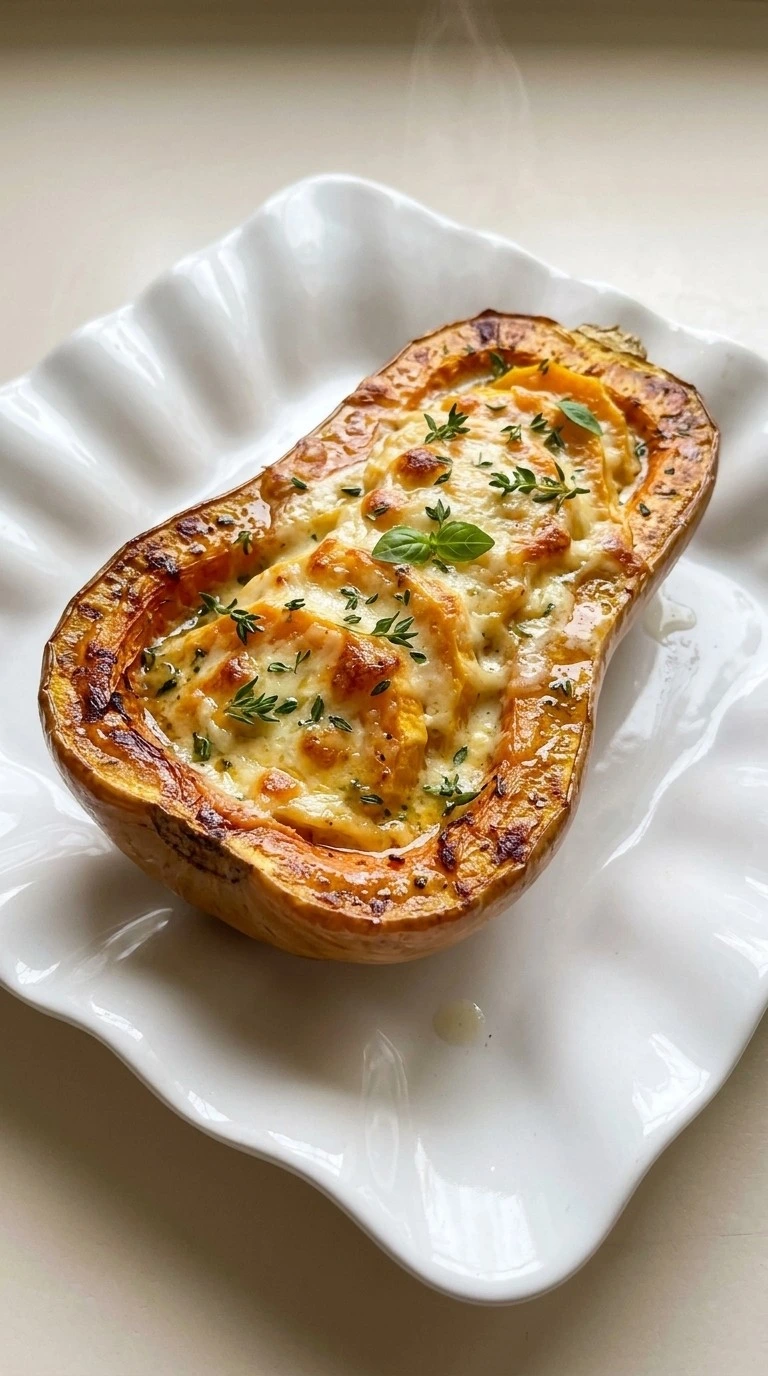
Transfer one finished butternut squash half onto a white serving plate and add fresh thyme on top. Hold the portion at 45 degrees and slice slightly into the filling after resting for 5 minutes. Keep the natural uneven browned areas visible.
The inside should show creamy layers with melted cheese and tender orange flesh. You’ll see irregular textures and golden edges from roasting. Cut too early and the warm filling may spread before serving.
Rest 5 minutes before slicing, it allows the filling structure to settle.
Tip: Serve individual portions warm within 10 minutes for the best contrast between creamy filling and roasted squash.
Pro Tips
- Choose butternut squash that feels heavy for its size and has firm skin. A 2-pound squash usually gives the best balance of tender flesh and sturdy roasted halves.
- Bake the squash cut-side up at 375°F because the cavity catches the filling later. Avoid over-roasting the first stage past 25 minutes or the shell may collapse.
- Mix the filling with room-temperature ricotta for about 5 minutes so the cheese spreads evenly. Cold ricotta can leave small lumps that don’t melt smoothly.
- Grate fresh parmesan from a block when possible because it melts better than pre-shredded cheese. You’ll notice a deeper aroma when the topping turns golden.
- Make the filling one day ahead and keep it covered for up to 24 hours. This saves time during holiday cooking without changing the final texture.
- Add fresh thyme after baking instead of before the final roast. The herb keeps a brighter flavor and won’t lose its aroma from prolonged heat.
- Add 1/2 cup cooked crumbled bacon to the filling for a smoky holiday version with extra savory flavor.
- Mix 1/4 teaspoon nutmeg into the cheese filling for a warmer fall flavor that pairs naturally with roasted squash.
- Replace spinach with 2 cups sautéed mushrooms for a richer vegetarian variation with deeper earthy notes.
- Add 1/3 cup dried cranberries to the filling before baking for a sweet and tangy Thanksgiving twist.
Storage Instructions
Store any leftover Thanksgiving Butternut Squash in an airtight glass container and keep it in the refrigerator for up to 4 days. If you’d like to save it longer, you can freeze the baked squash for up to 2 months. Just wrap each half tightly with freezer-safe wrap, then place it in a sealed freezer bag.
When you’re ready to enjoy it again, thaw it overnight in the fridge before reheating. Warm individual portions at 350°F for 12 to 15 minutes until the filling is heated through and the edges become slightly roasted again. For a fresh finishing touch, add a little sprinkle of parmesan before reheating.
If the leftovers develop a sour smell, watery separation, or any unusual texture changes, it’s best to discard them.
Print
Thanksgiving Butternut Squash
- Total Time: 45 minutes
- Yield: 4 servings 1x
Description
This easy Thanksgiving Butternut Squash recipe brings simple holiday comfort with a quick and healthy side dish idea. The best version uses roasted butternut squash with a creamy texture and savory herbs that smell incredible from the oven. The secret is slow roasting for deeper flavor and golden edges. It works for a weeknight dinner, meal prep, holiday gathering, potluck or brunch party when you need a simple recipe that Search focus: thanksgiving butternut squash recipes.
Ingredients
- 2 medium butternut squash
- 2 tablespoons olive oil
- 1 teaspoon salt
- 1/2 teaspoon black pepper
- 2 teaspoons fresh thyme
- 1 cup ricotta cheese
- 3/4 cup parmesan cheese
- 2 cups spinach
- 2 cloves garlic
Instructions
- Preheat the oven to 375°F. Slice 2 medium butternut squash lengthwise and remove seeds using a spoon. Place the halves cut-side up and season with olive oil, salt, pepper and thyme. Roast at 375°F for 20 minutes after arranging the squash evenly. (I tried 400°F first, the edges softened too fast before the center cooked through.) The flesh will start turning bright orange with slightly softened edges. You’ll smell the thyme releasing its aroma and see moisture forming on the surface. Miss this window and the squash can dry before the filling goes in. Roast at 375°F for 20 minutes, gentle heat softens the flesh without collapsing the squash shape.
- Combine 1 cup ricotta cheese, 1/2 cup grated parmesan cheese, 2 cups chopped spinach and minced garlic in a bowl. Mix at room temperature for 5 minutes by folding gently with a spatula until combined. Keep the mixture thick so it stays inside the squash. The filling should look creamy with visible green spinach pieces throughout. You’ll notice the parmesan aroma and a soft texture when pressed. Skip the proper mixing time and the filling can separate during baking. Fold the filling for 5 minutes, even distribution keeps every bite balanced.
- Spoon the ricotta filling into the 2 roasted butternut squash halves and spread it unevenly across the cavities. Bake at 375°F for 15 to 18 minutes until the filling begins to set. Use the back of a spoon to press the filling into the roasted squash. The top will become lightly golden and the filling will look firm around the edges. You’ll hear gentle bubbling near the center and smell the baked herbs. Go past 18 minutes and the cheese filling may become dry. Bake at 375°F until the center sets, the proteins tighten without losing moisture.
- Top the filled squash halves with extra parmesan cheese and return them to a 375°F oven for 8 to 10 minutes. Sprinkle the cheese evenly using your fingers and rotate the tray halfway through baking for even color. The squash should stay intact while the topping melts. The cheese will turn golden with darker spots and the edges will look glossy. You’ll smell roasted herbs and hear tiny bubbles from the creamy filling. Miss the final bake and the topping stays pale instead of developing flavor. (I used too much cheese in my first batch and it covered the squash flavor. This amount keeps the balance.) Bake 8 to 10 minutes until golden, controlled heat creates browned flavor without drying the filling.
- Transfer one finished butternut squash half onto a white serving plate and add fresh thyme on top. Hold the portion at 45 degrees and slice slightly into the filling after resting for 5 minutes. Keep the natural uneven browned areas visible. The inside should show creamy layers with melted cheese and tender orange flesh. You’ll see irregular textures and golden edges from roasting. Cut too early and the warm filling may spread before serving. Rest 5 minutes before slicing, it allows the filling structure to settle.
Notes
Pro Tips:
- Choose butternut squash that feels heavy for its size and has firm skin. A 2-pound squash usually gives the best balance of tender flesh and sturdy roasted halves.
- Bake the squash cut-side up at 375°F because the cavity catches the filling later. Avoid over-roasting the first stage past 25 minutes or the shell may collapse.
- Mix the filling with room-temperature ricotta for about 5 minutes so the cheese spreads evenly. Cold ricotta can leave small lumps that don’t melt smoothly.
- Grate fresh parmesan from a block when possible because it melts better than pre-shredded cheese. You’ll notice a deeper aroma when the topping turns golden.
- Make the filling one day ahead and keep it covered for up to 24 hours. This saves time during holiday cooking without changing the final texture.
- Add fresh thyme after baking instead of before the final roast. The herb keeps a brighter flavor and won’t lose its aroma from prolonged heat.
Storage: Store any leftover Thanksgiving Butternut Squash in an airtight glass container and keep it in the refrigerator for up to 4 days. If you’d like to save it longer, you can freeze the baked squash for up to 2 months. Just wrap each half tightly with freezer-safe wrap, then place it in a sealed freezer bag. When you’re ready to enjoy it again, thaw it overnight in the fridge before reheating. Warm individual portions at 350°F for 12 to 15 minutes until the filling is heated through and the edges become slightly roasted again. For a fresh finishing touch, add a little sprinkle of parmesan before reheating. If the leftovers develop a sour smell, watery separation, or any unusual texture changes, it’s best to discard them.
- Prep Time: 15 minutes
- Cook Time: 30 minutes
- Category: Dinner
- Cuisine: American
Nutrition
- Serving Size: 350g
- Calories: 336
- Sugar: 3g
- Sodium: 1557mg
- Fat: 25g
- Carbohydrates: 27g
- Fiber: 7g
- Cholesterol: 60mg
Frequently Asked Questions
Yes, you can roast the squash halves and prepare the filling up to 24 hours before serving. Store both parts separately in covered containers and assemble before baking at 375°F for about 18 minutes until the center is warm and the topping is golden.
Store leftovers in an airtight container for up to 4 days in the refrigerator. Reheat individual portions at 350°F for 12 to 15 minutes until the filling becomes warm again and the edges regain some roasted texture.
Yes, use blended silken tofu instead of ricotta and a dairy-free parmesan alternative. The filling will be slightly softer and less rich, so bake it for an extra 2 to 3 minutes until the top sets.
Watery squash usually comes from choosing an overripe squash or skipping the initial roasting time. Roast the halves cut-side up at 375°F for 20 minutes first so excess moisture evaporates before adding the filling.
Yes, double the ingredients and roast 4 medium squash halves on two trays if needed. Keep the same 375°F temperature but add 5 to 8 minutes to the final bake because more food lowers oven heat.
This side pairs well with roasted meats, green vegetables and grain dishes during holiday meals. Serve it warm after a 5-minute rest so the creamy filling stays structured when guests cut into each portion.
Final Thoughts
One of my signature recipes! This Thanksgiving Butternut Squash is made the classic fall way, using roasted squash halves and a creamy cheese filling. It does take a little patience while the squash roasts, but trust me, it’s worth the wait.
The squash turns tender and full of flavor, while the filling becomes rich, creamy, and beautifully golden. This recipe makes 4 servings and is a great addition to any holiday table. It has the perfect mix of roasted vegetables and a smooth, comforting texture that everyone loves.
You can even prepare some parts ahead and simply finish baking it right before serving. If you love butternut squash Thanksgiving recipes, give this version a try and enjoy it with your family. Readers also use it for: thanksgiving butternut squash recipes, butternut squash recipes thanksgiving.