

Seriously, no joke, this is the best moist chocolate cake recipe. It’s the one my mom, and before that, my grandma has made for years. It’s a classic recipe with simple, delicious ingredients. Rich cocoa cake is mixed with sugar, eggs, oil, buttermilk, and a smooth chocolate frosting.
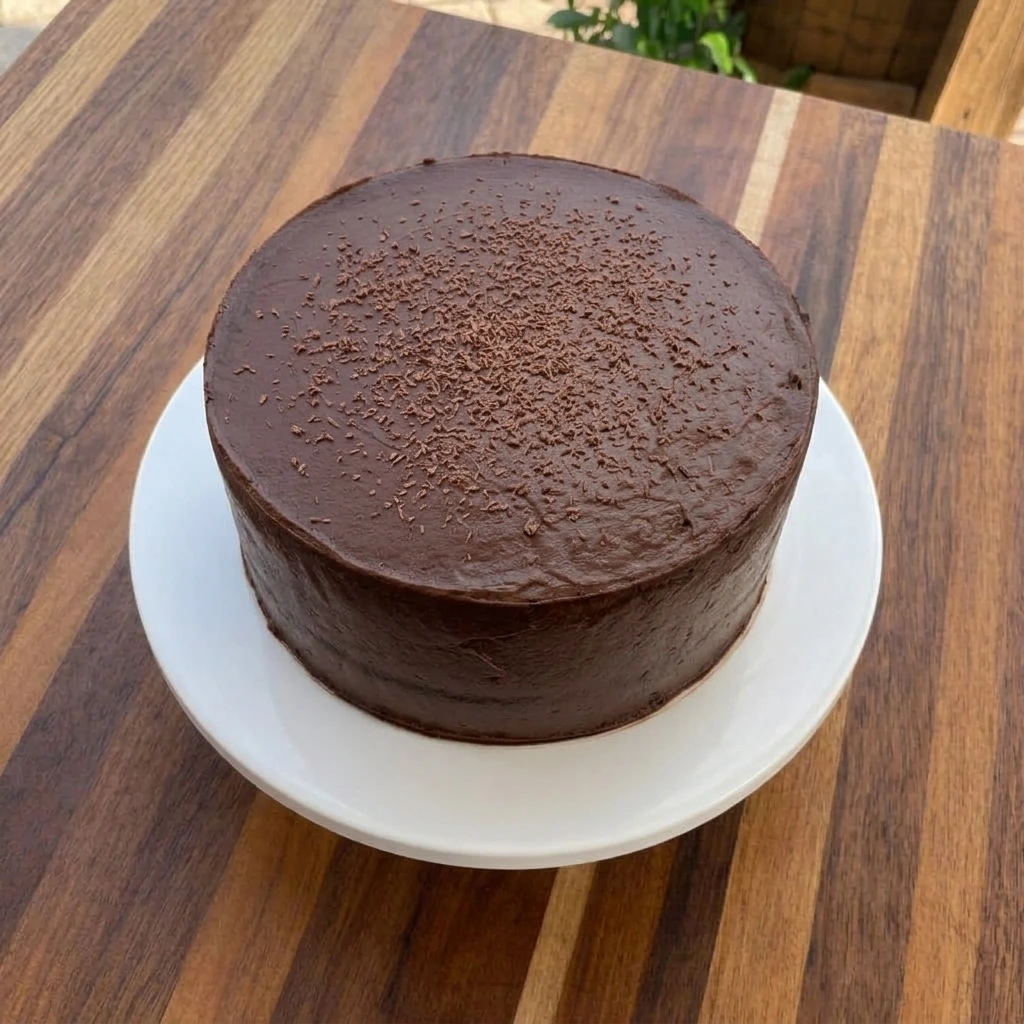
Perfect for birthdays or just because with a cold glass of milk on the side! A classic moist chocolate cake recipe is one of my go-to easy desserts. Not only does it make for a super delicious treat, but it’s rich, soft, and keeps everyone happy for hours. Also, there’s no complicated methods or ingredients needed.
And making it ahead is a cinch. I often make a cake on Sunday to enjoy for dessert and a sweet little slice on Monday and Tuesday. With just a few basic ingredients probably already in the fridge and pantry, you can whip up a cake for celebrations or casual weekends or even dress it up with extra frosting for a fancy dessert!
Ingredients
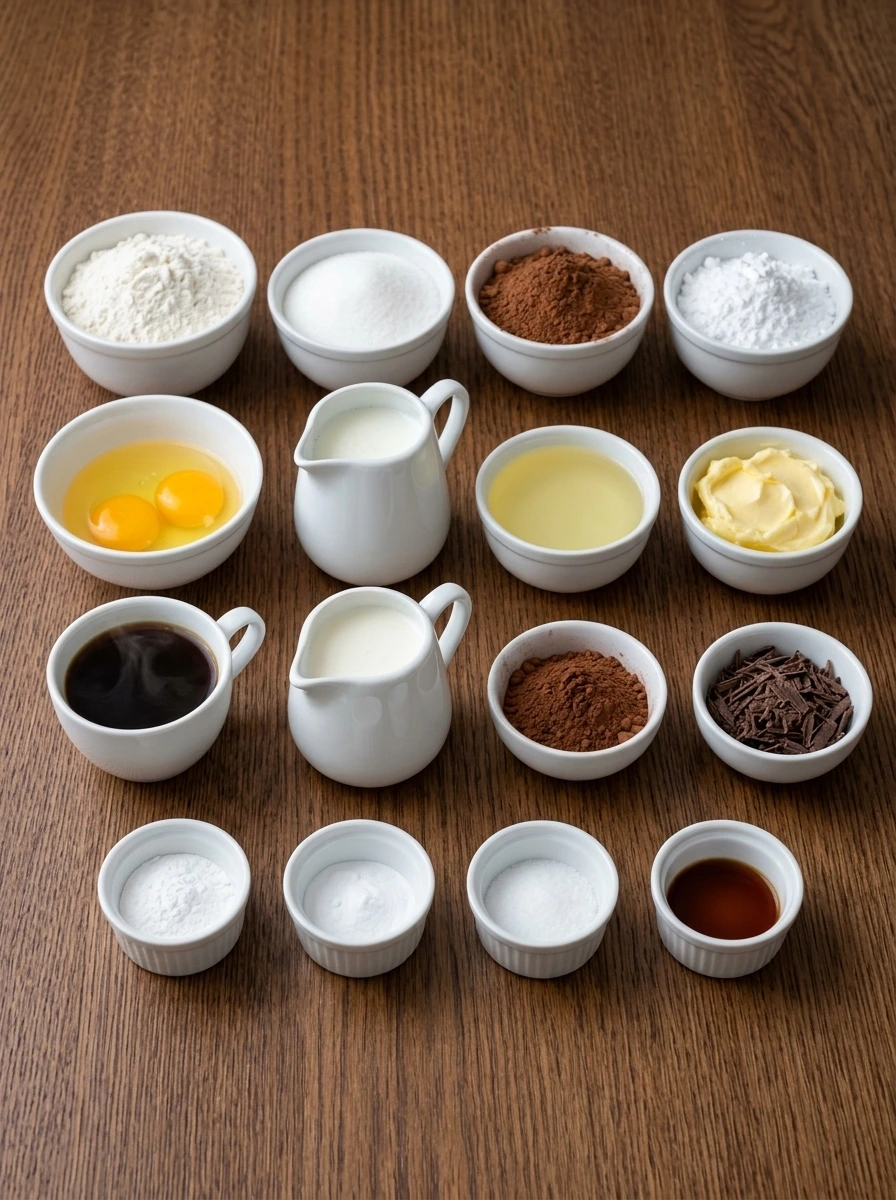
Here’s what I use for this recipe and you can always make substitutions if you prefer.
- all purpose flour: Gives the cake structure while keeping the crumb tender.
- granulated sugar: Sweetens the cake and helps create a soft, moist texture.
- unsweetened cocoa powder: Adds deep chocolate flavor and rich color.
- baking powder: Helps the cake rise and stay light.
- baking soda: Works with the buttermilk to create a tender crumb.
- salt: Balances the sweetness and sharpens the chocolate flavor.
- large eggs: Bind the batter and add richness.
- buttermilk: Keeps the cake soft and moist with a slight tang.
- vegetable oil: Adds moisture and keeps the cake tender for days.
- vanilla extract: Rounds out the chocolate flavor with warm sweetness.
- hot coffee: Deepens the cocoa flavor and loosens the batter.
- unsalted butter, softened: Creates a creamy base for the frosting.
- powdered sugar: Sweetens and thickens the frosting into a smooth spreadable texture.
- unsweetened cocoa powder for frosting: Gives the frosting bold chocolate flavor and a dark finish.
- heavy cream: Makes the frosting silky and easy to spread.
- chocolate shavings: Add a simple chocolate finish on top of the frosted cake.
Tools You’ll Need
- large mixing bowls: Use one for dry ingredients and one for wet ingredients.
- whisk: Helpful for blending both dry and wet mixtures smoothly.
- rubber spatula: Useful for scraping the bowl and spreading frosting.
- two round cake pans: For dividing the batter into even layers.
- offset spatula: Makes frosting the cake easier and smoother.
- serrated knife: Helpful for leveling the cake layers if needed.
Instructions
Step 1: Measure the dry ingredients
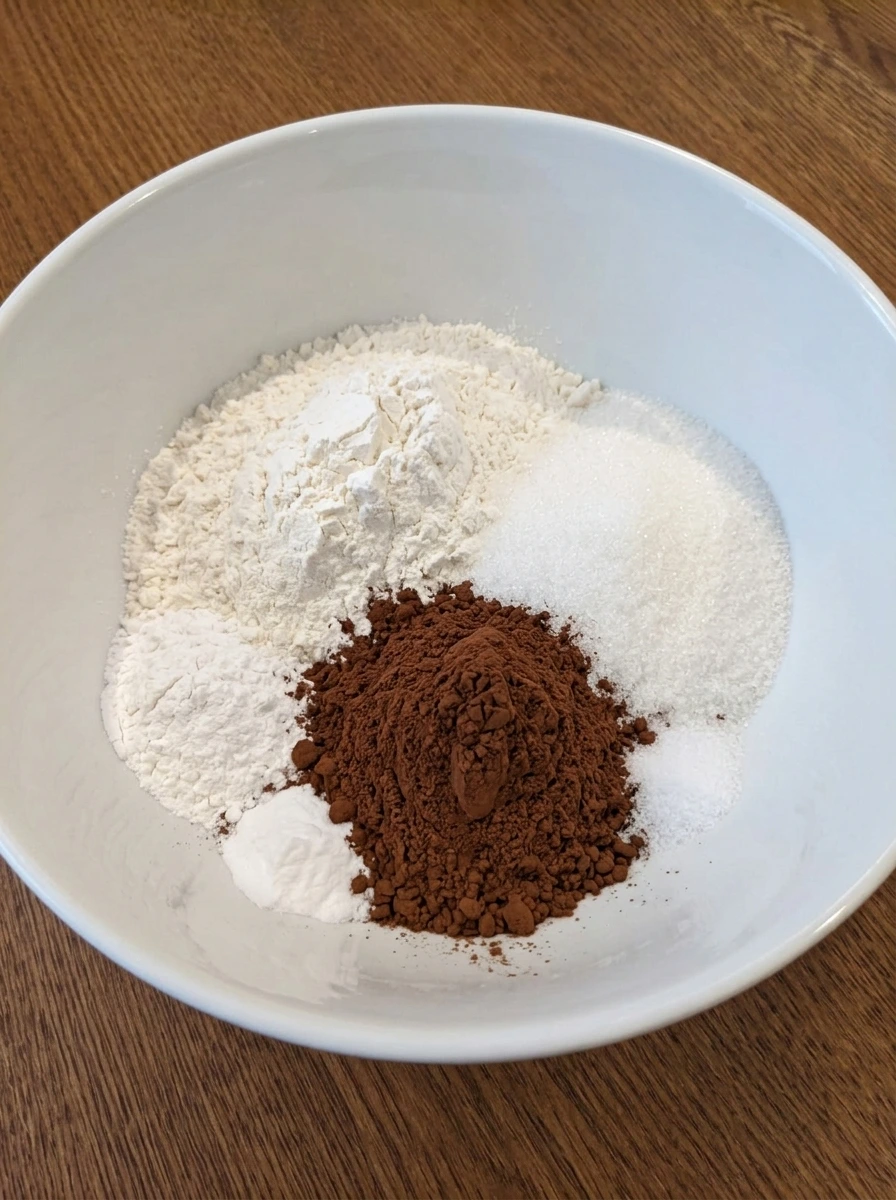
Add the flour, granulated sugar, cocoa powder, baking powder, baking soda, and salt into a large white ceramic mixing bowl. At this stage the ingredients are clearly separate in color and texture, with pale flour, dark cocoa, and a sandy layer of sugar visible across the bowl. Once everything is added, the bowl looks full and evenly portioned but still completely dry. Nothing is blended yet, so the powders remain loose, light, and clearly defined.
Tip: Break up any cocoa lumps before moving on so the mixture blends more evenly.
Step 2: Whisk the dry mixture
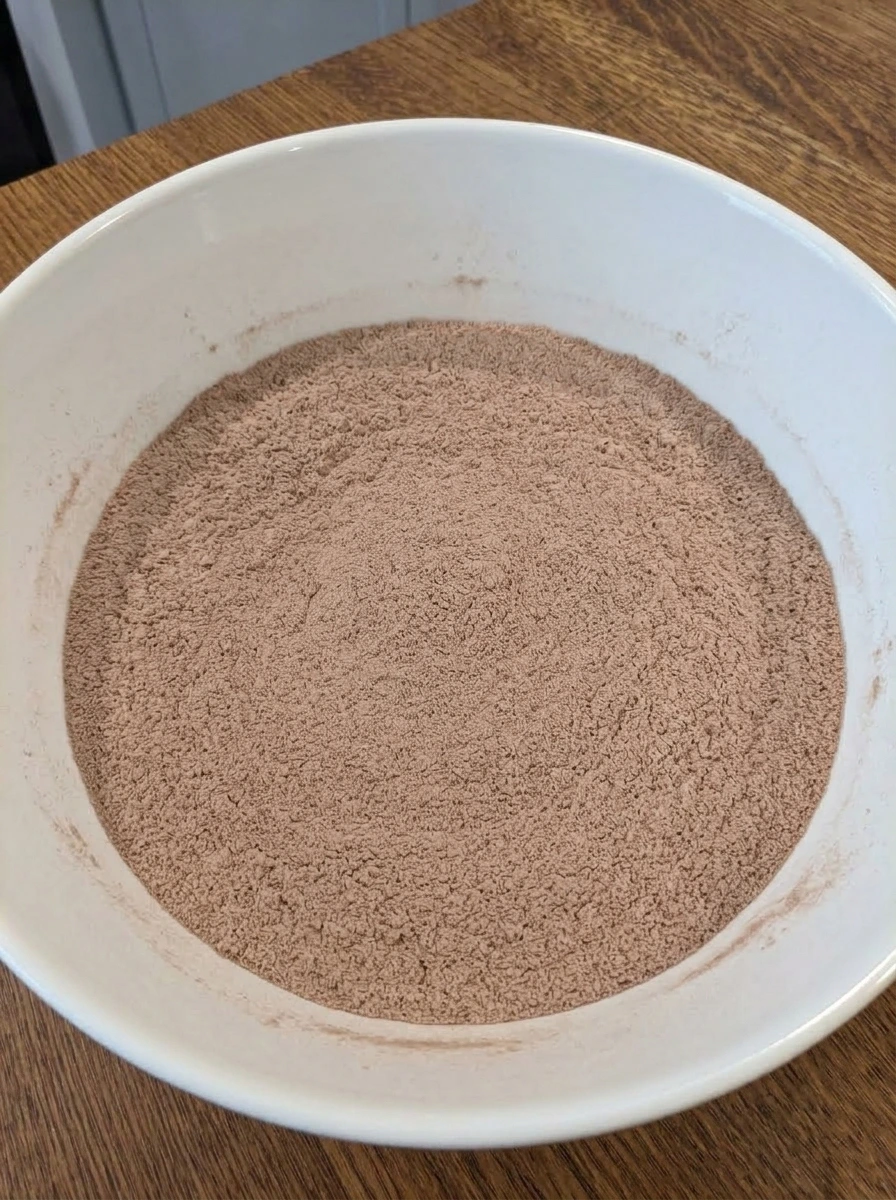
Whisk the dry ingredients together until the color turns into one even cocoa brown. The mixture looks lighter, fluffier, and more uniform, with no white streaks of flour or pockets of cocoa left behind. The surface becomes smooth and powdery with a fine, airy texture. This step sets up the batter so every bite of cake has even chocolate flavor.
Tip: Use a whisk instead of a spoon to distribute the cocoa and leaveners more evenly.
Step 3: Combine the wet ingredients
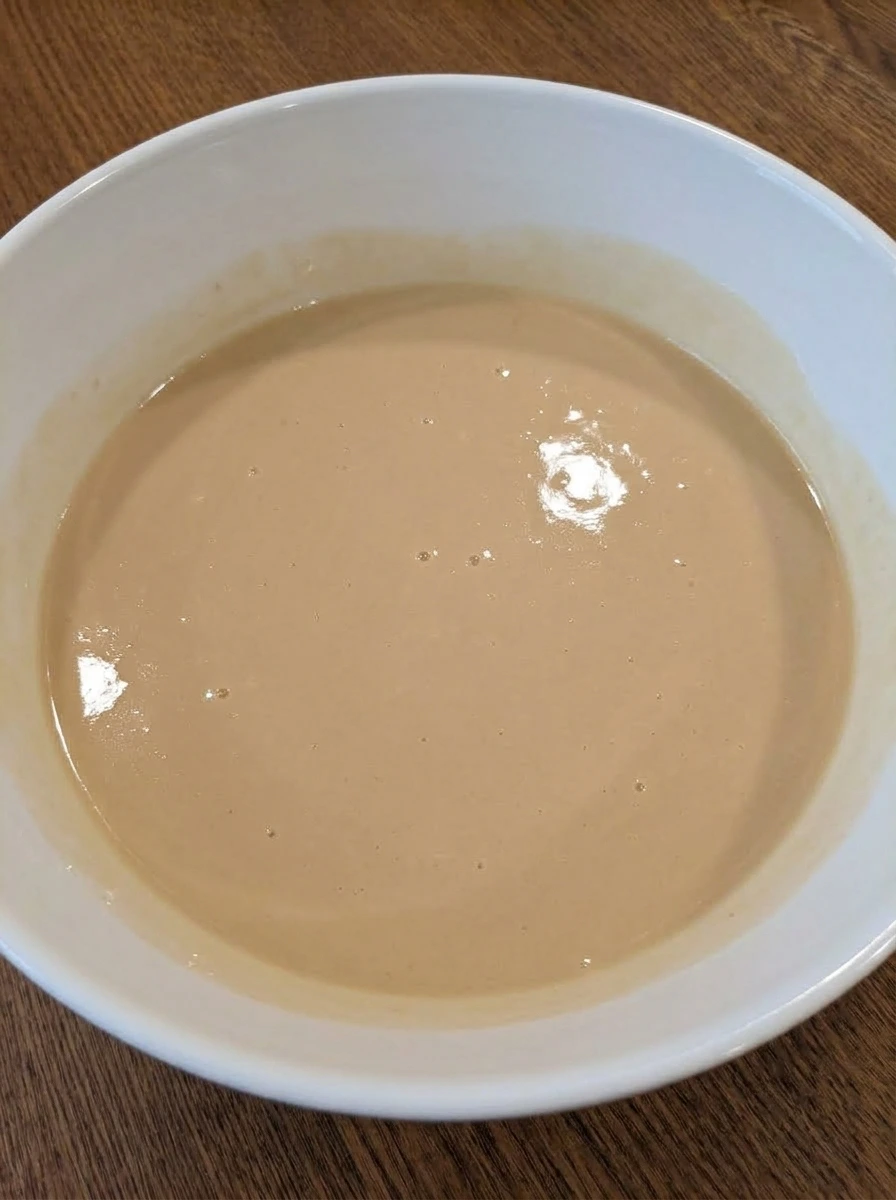
In a second large white ceramic mixing bowl, whisk together the eggs, buttermilk, vegetable oil, and vanilla extract. The mixture turns glossy and pale brown, with the eggs fully broken up and the liquids blended into one smooth base. Visually, the texture becomes fluid and silky with no visible yolk streaks left behind. It should look creamy and well mixed before it meets the dry ingredients.
Tip: Make sure the eggs are fully blended so the wet mixture looks smooth and uniform.
Step 4: Mix the cake batter
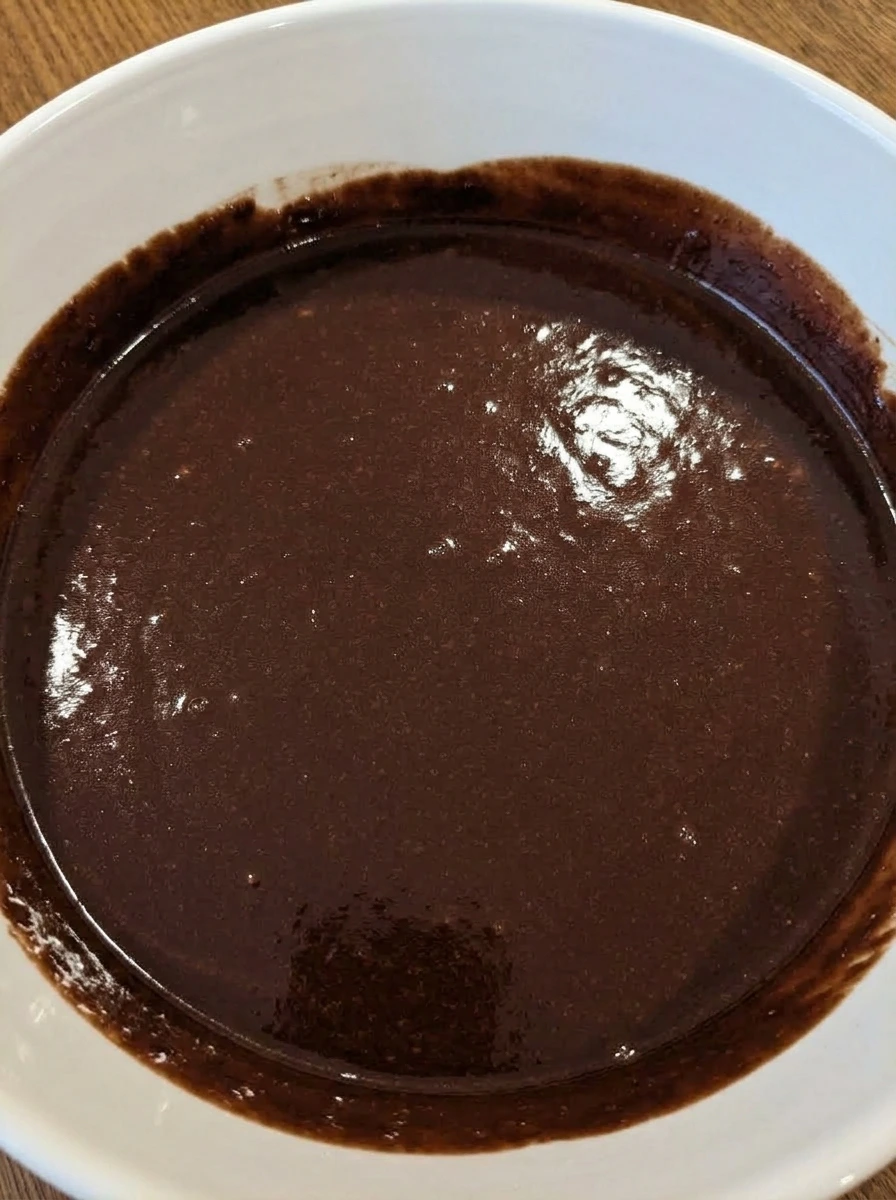
Pour the wet mixture into the bowl of dry ingredients, then add the hot coffee and whisk until the batter is fully blended. The mixture changes from loose powder and liquid into a deep brown batter that looks glossy, smooth, and pourable. By the end of this step, there should be no dry patches around the edges of the bowl. The batter will look thinner than some cake batters, but that is exactly what helps create a moist, tender crumb.
Tip: Scrape the sides of the bowl so no dry flour is left hiding near the rim.
Step 5: Divide the batter into pans
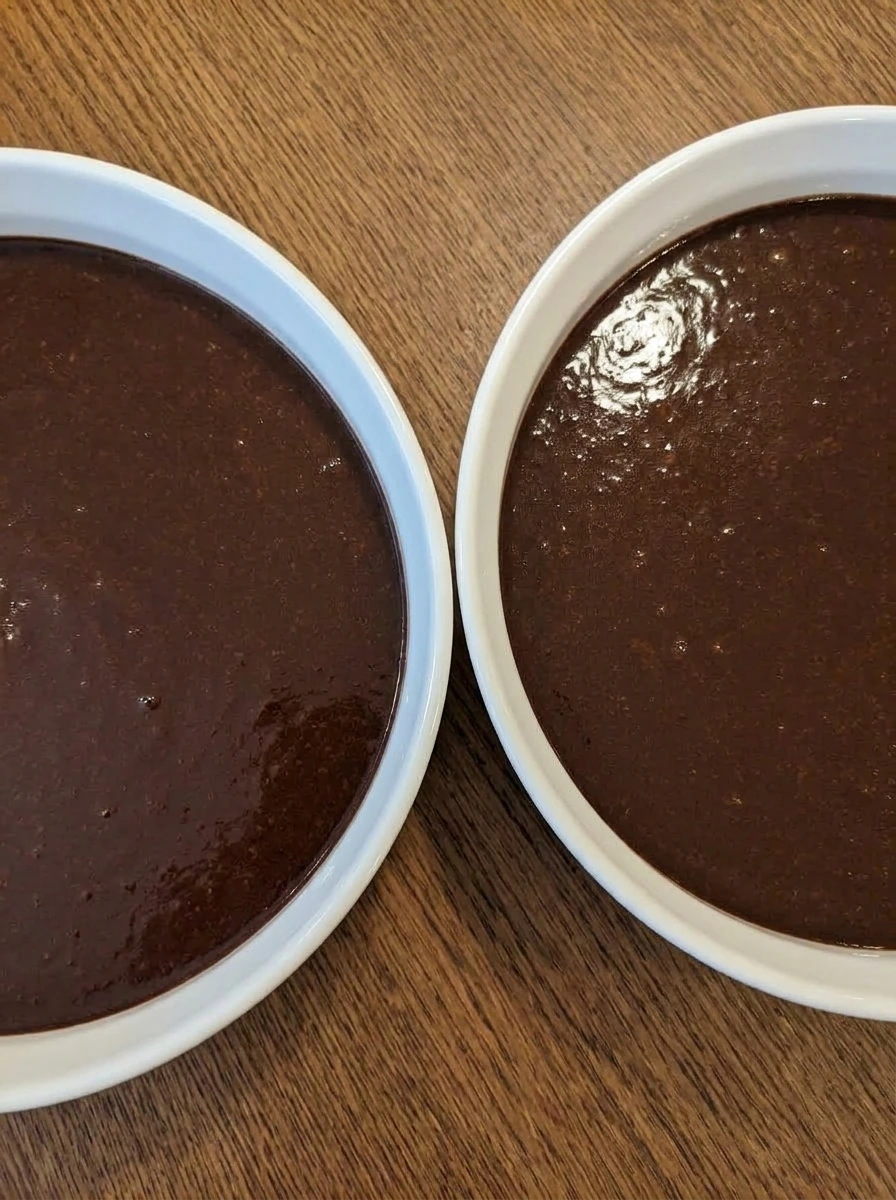
Pour the batter evenly into two round cake pans and gently level the tops. The batter settles into smooth, dark pools with a glossy surface and an even thickness from edge to edge. Once divided, the pans look neat and ready, with the batter spread evenly so the layers bake up level. This is the last fully raw stage before the batter transforms into cake layers.
Tip: Tap the pans lightly to help the batter settle into an even layer.
Step 6: Cool and level the cake layers
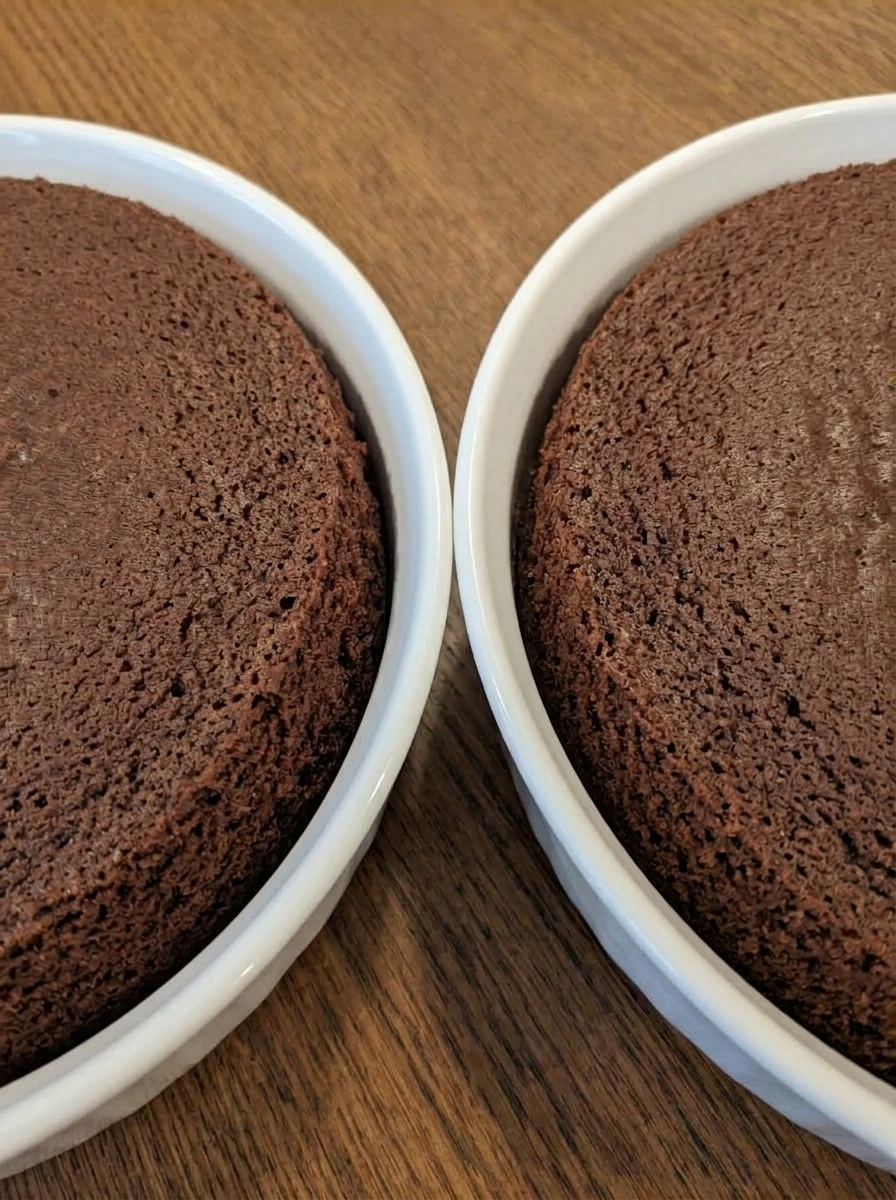
After baking and cooling, turn the cake layers out and place them in round white ceramic dishes. The layers are now fully cooked, soft, and springy, with a rich dark brown color and a tender crumb visible along the sides. If the tops have domed slightly, trim them so the layers stack evenly. At this point the cakes look neat, even, and completely cooled, which makes frosting much easier.
Tip: Only frost the layers once they feel fully cool so the frosting stays thick and smooth.
Step 7: Whip the chocolate frosting
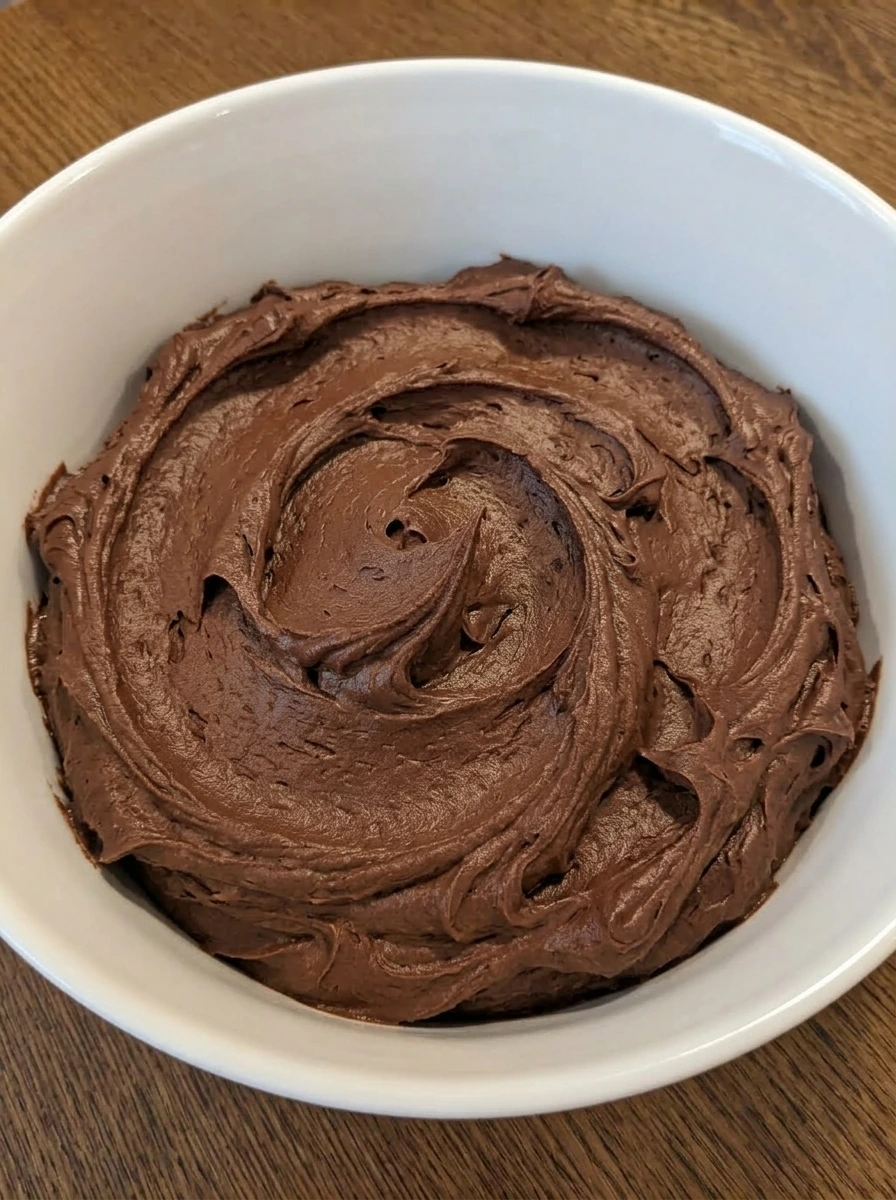
In a large white ceramic mixing bowl, beat the softened butter, powdered sugar, cocoa powder, and heavy cream until smooth. The mixture changes from separate pale and dark ingredients into a thick, fluffy frosting with a deep chocolate color. Visually, the frosting should look creamy and spreadable with soft swirls that hold their shape. It becomes lighter in texture as air is worked into it.
Tip: Add the cream a little at a time if you want to control how soft the frosting becomes.
Step 8: Stack and crumb coat the cake
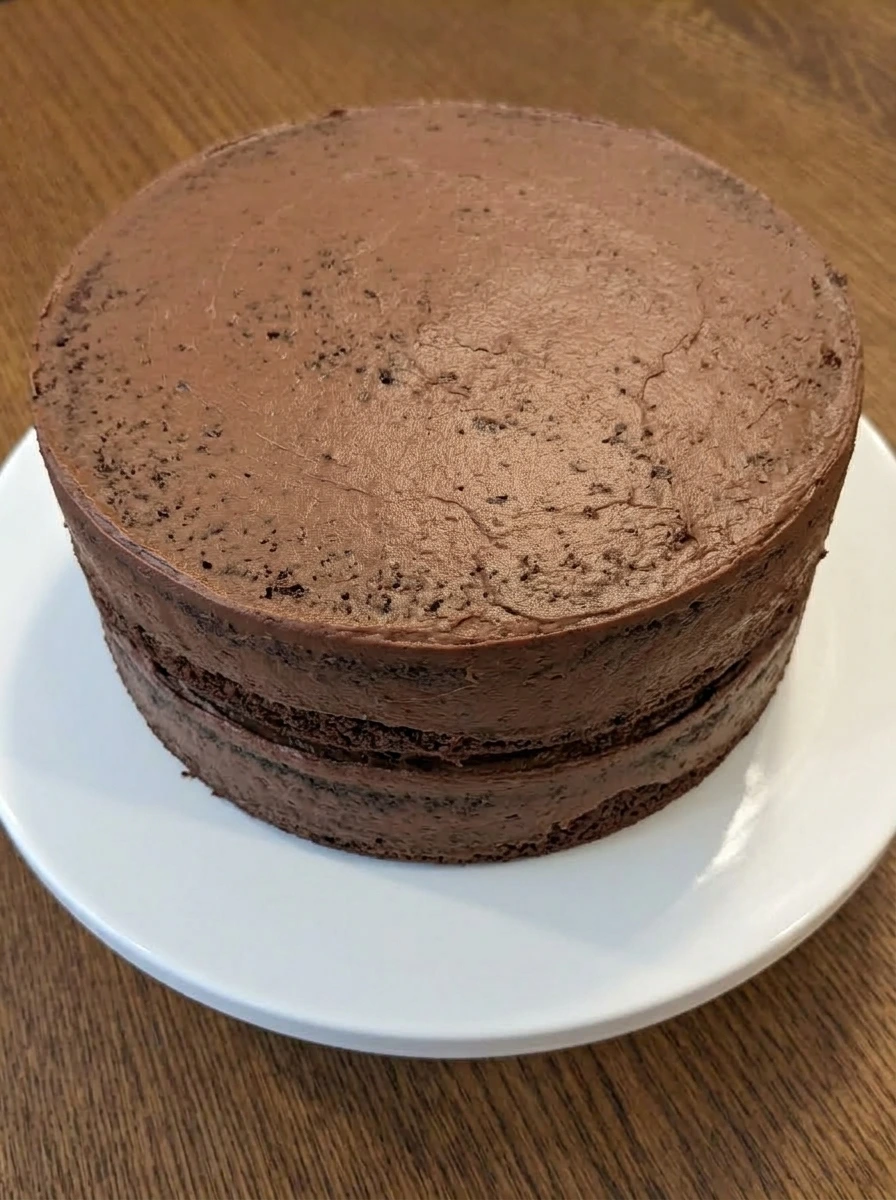
Set the first cake layer in a round white ceramic cake stand and spread a generous layer of frosting across the top. Place the second layer over it, then spread a thin coat of frosting over the top and sides to catch the loose crumbs. At this stage the cake looks assembled but not finished. The frosting layer is thin and smooth, and a few darker crumbs may still show through the surface.
Tip: Use a thin first layer of frosting so the final coat goes on cleaner.
Step 9: Finish the frosting and garnish
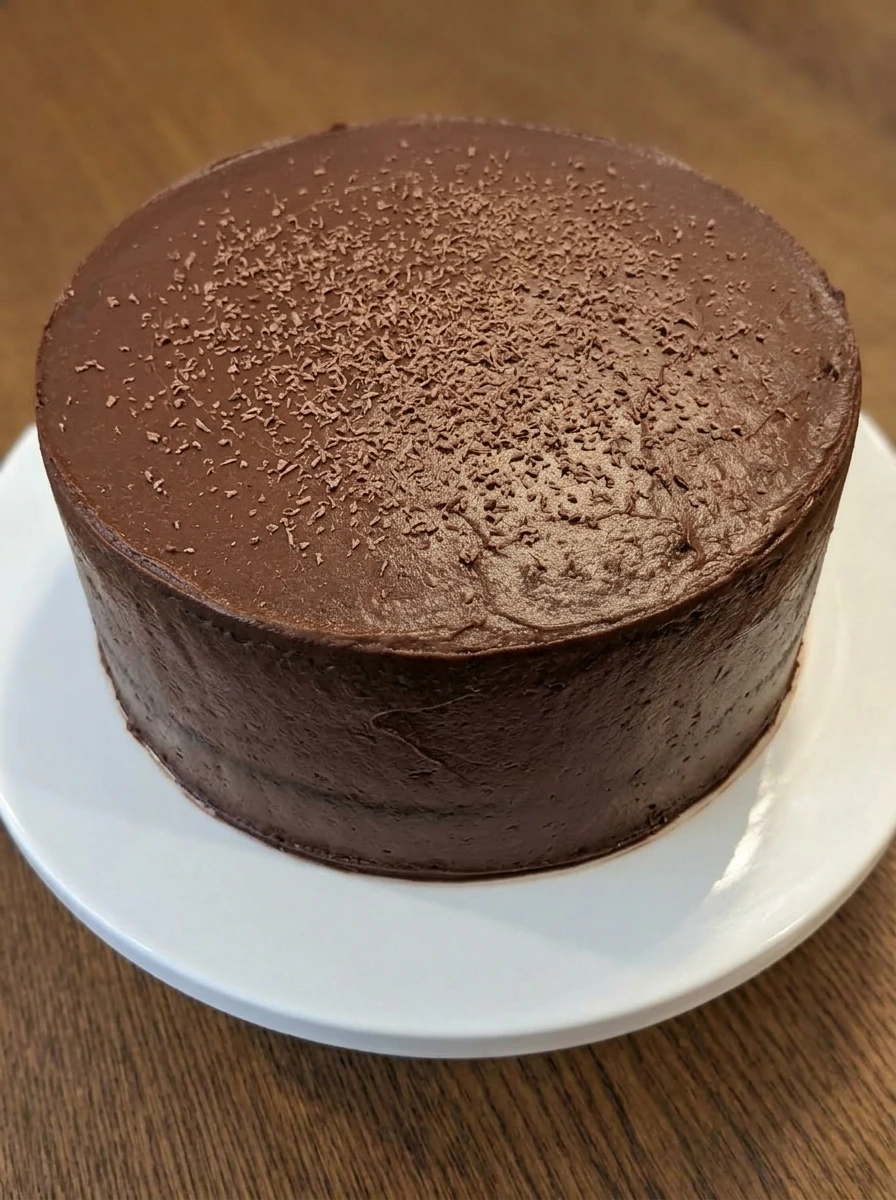
Spread the remaining frosting over the top and sides until the whole cake is covered in a smooth, thick layer. Add the chocolate shavings over the top so the surface looks finished and rich without feeling overdone. The cake now looks polished and ready to serve, with even frosting, clean edges, and a soft chocolate finish. The shavings add a simple final touch and make the top feel complete.
Tip: For the neatest finish, smooth the sides first and add the chocolate shavings last.
Step 10: Plate and serve the cake
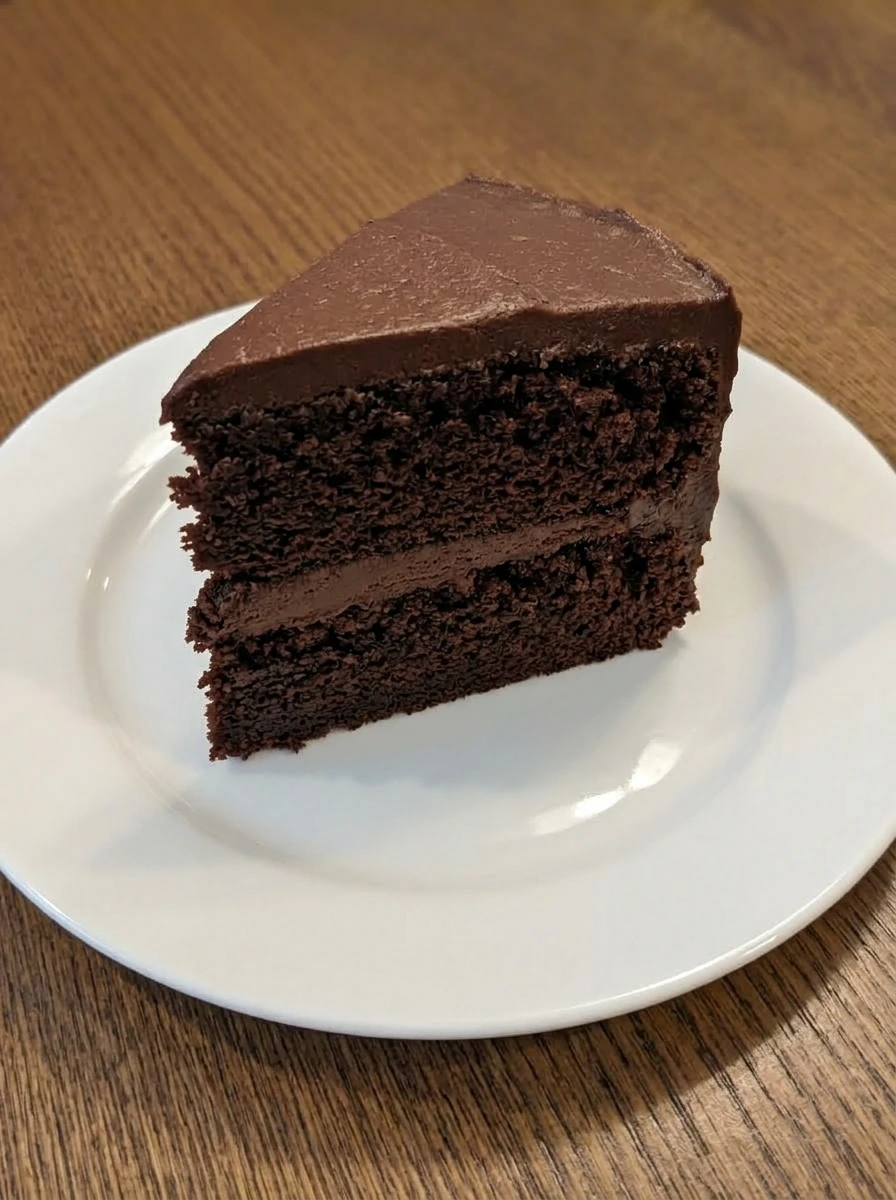
Slice the finished cake and place a piece onto a white ceramic dessert plate. The inside shows tender, moist chocolate layers with a thick ribbon of frosting between them and a smooth finish over the top. This final step is all about the completed dessert. The slice looks soft, rich, and ready to serve, with the layers clearly defined and the frosting holding neatly in place.
Tip: Wipe the knife between slices for cleaner layers and prettier servings.
Pro Tips
- Use coffee instead of water to deepen the chocolate flavor without making the cake taste like coffee.
- Do not overmix the batter once the dry ingredients are fully incorporated.
- Let the cake layers cool completely before frosting so the frosting stays thick and tidy.
- A thin crumb coat first makes the final layer of frosting much smoother.
Storage Instructions
Store the cake covered in the fridge if you want the frosting to stay firm and fresh. It also keeps well at room temperature for about a day if your kitchen is cool. For longer storage, wrap individual slices or whole unfrosted layers well and freeze them for up to 2 months. To serve, let chilled slices sit at room temperature for a bit, or warm a slice very briefly in the microwave for a softer texture.
Frequently Asked Questions
What makes this chocolate cake so moist?
A mix of buttermilk and oil helps keep the crumb tender and soft. The hot coffee also loosens the batter and brings out the cocoa flavor in a big way. Together, they give the cake a rich texture that stays moist for more than just one day.
Can I make the cake layers ahead of time?
Yes, the cake layers can be made ahead and cooled completely before wrapping. You can keep them at room temperature for a short time or chill them if you want to frost later. This is actually a great way to break the recipe into easier steps for a party or holiday.
Can I use a different frosting?
Absolutely, this cake works well with chocolate buttercream, cream cheese frosting, or even a lighter whipped frosting. The cake itself is rich but flexible, so you can match it to the occasion. Just make sure the layers are fully cool before adding any frosting you choose.
Can I turn this into cupcakes?
Yes, this batter can be used for cupcakes if that is easier for serving. Fill the liners about two thirds full so they have room to rise properly. Once cooled, frost them the same way and add a few chocolate shavings on top if you like.
Final Thoughts
This is the kind of recipe I wish I had found years ago. It would have saved me so many stressful dessert moments.
But now that I have it, I make it all the time and I think you will too. If you enjoyed this, check out some of my other popular recipes on the blog.
And leave a comment, I read every single one and it really makes my day.
Print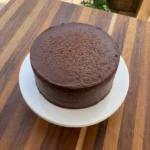
Moist Chocolate Cake
- Total Time: 45 minutes
- Yield: 8 servings 1x
Description
Looking for the best moist chocolate cake? This one is quick, easy, and wonderfully rich with a soft crumb and creamy frosting. Whether you are after a healthy dessert idea or a simple sweet treat, this delivers every time. Great for weeknight dinner, meal prep, holiday gatherings, potluck tables, brunch spreads, and any party. Save this easy moist chocolate cake for your next celebration!
Ingredients
- 2 cups all purpose flour
- 2 cups granulated sugar
- 3/4 cup unsweetened cocoa powder
- 2 teaspoons baking powder
- 1 1/2 teaspoons baking soda
- 1 teaspoon salt
- 2 large eggs
- 1 cup buttermilk
- 1/2 cup vegetable oil
- 2 teaspoons vanilla extract
- 1 cup hot coffee
- 1 cup unsalted butter, softened
- 3 1/2 cups powdered sugar
- 3/4 cup unsweetened cocoa powder for frosting
- 1/4 cup heavy cream
- 1/4 cup chocolate shavings
Instructions
- Add the flour, granulated sugar, cocoa powder, baking powder, baking soda, and salt into a large white ceramic mixing bowl. At this stage the ingredients are clearly separate in color and texture, with pale flour, dark cocoa, and a sandy layer of sugar visible across the bowl. Once everything is added, the bowl looks full and evenly portioned but still completely dry. Nothing is blended yet, so the powders remain loose, light, and clearly defined.
- Whisk the dry ingredients together until the color turns into one even cocoa brown. The mixture looks lighter, fluffier, and more uniform, with no white streaks of flour or pockets of cocoa left behind. The surface becomes smooth and powdery with a fine, airy texture. This step sets up the batter so every bite of cake has even chocolate flavor.
- In a second large white ceramic mixing bowl, whisk together the eggs, buttermilk, vegetable oil, and vanilla extract. The mixture turns glossy and pale brown, with the eggs fully broken up and the liquids blended into one smooth base. Visually, the texture becomes fluid and silky with no visible yolk streaks left behind. It should look creamy and well mixed before it meets the dry ingredients.
- Pour the wet mixture into the bowl of dry ingredients, then add the hot coffee and whisk until the batter is fully blended. The mixture changes from loose powder and liquid into a deep brown batter that looks glossy, smooth, and pourable. By the end of this step, there should be no dry patches around the edges of the bowl. The batter will look thinner than some cake batters, but that is exactly what helps create a moist, tender crumb.
- Pour the batter evenly into two round cake pans and gently level the tops. The batter settles into smooth, dark pools with a glossy surface and an even thickness from edge to edge. Once divided, the pans look neat and ready, with the batter spread evenly so the layers bake up level. This is the last fully raw stage before the batter transforms into cake layers.
- After baking and cooling, turn the cake layers out and place them in round white ceramic dishes. The layers are now fully cooked, soft, and springy, with a rich dark brown color and a tender crumb visible along the sides. If the tops have domed slightly, trim them so the layers stack evenly. At this point the cakes look neat, even, and completely cooled, which makes frosting much easier.
- In a large white ceramic mixing bowl, beat the softened butter, powdered sugar, cocoa powder, and heavy cream until smooth. The mixture changes from separate pale and dark ingredients into a thick, fluffy frosting with a deep chocolate color. Visually, the frosting should look creamy and spreadable with soft swirls that hold their shape. It becomes lighter in texture as air is worked into it.
- Set the first cake layer in a round white ceramic cake stand and spread a generous layer of frosting across the top. Place the second layer over it, then spread a thin coat of frosting over the top and sides to catch the loose crumbs. At this stage the cake looks assembled but not finished. The frosting layer is thin and smooth, and a few darker crumbs may still show through the surface.
- Spread the remaining frosting over the top and sides until the whole cake is covered in a smooth, thick layer. Add the chocolate shavings over the top so the surface looks finished and rich without feeling overdone. The cake now looks polished and ready to serve, with even frosting, clean edges, and a soft chocolate finish. The shavings add a simple final touch and make the top feel complete.
- Slice the finished cake and place a piece onto a white ceramic dessert plate. The inside shows tender, moist chocolate layers with a thick ribbon of frosting between them and a smooth finish over the top. This final step is all about the completed dessert. The slice looks soft, rich, and ready to serve, with the layers clearly defined and the frosting holding neatly in place.
Notes
Pro Tips:
- Use coffee instead of water to deepen the chocolate flavor without making the cake taste like coffee.
- Do not overmix the batter once the dry ingredients are fully incorporated.
- Let the cake layers cool completely before frosting so the frosting stays thick and tidy.
- A thin crumb coat first makes the final layer of frosting much smoother.
Storage: Store the cake covered in the fridge if you want the frosting to stay firm and fresh. It also keeps well at room temperature for about a day if your kitchen is cool. For longer storage, wrap individual slices or whole unfrosted layers well and freeze them for up to 2 months. To serve, let chilled slices sit at room temperature for a bit, or warm a slice very briefly in the microwave for a softer texture.
- Prep Time: 15 minutes
- Cook Time: 30 minutes
- Category: Dessert
- Cuisine: American
Nutrition
- Serving Size: 1 serving