

If you’ve ever had a salmon dinner that really delivered on fresh flavor and comfort you know that Lemon Garlic Baked Salmon is a dish that stands out with its bright savory taste. In this article we have the Lemon Garlic Baked Salmon recipe for you to try in the comfort of your own home with this easy step by step guide.
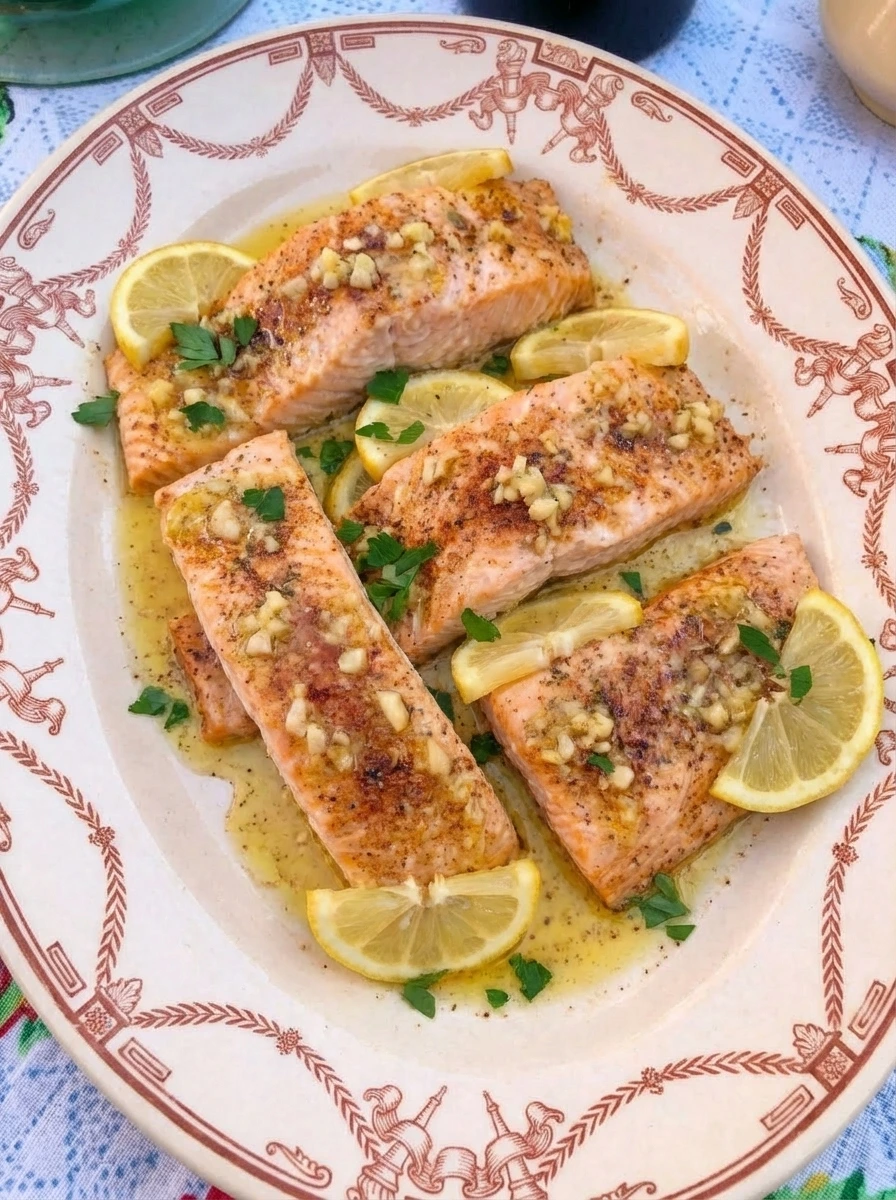
This classic seafood dish has tender salmon fillets in a rich flavorful lemon garlic butter sauce that’s both fresh and savory. This recipe is great for special occasions or a weeknight meal and this recipe is sure to impress your family and friends.
Ingredients
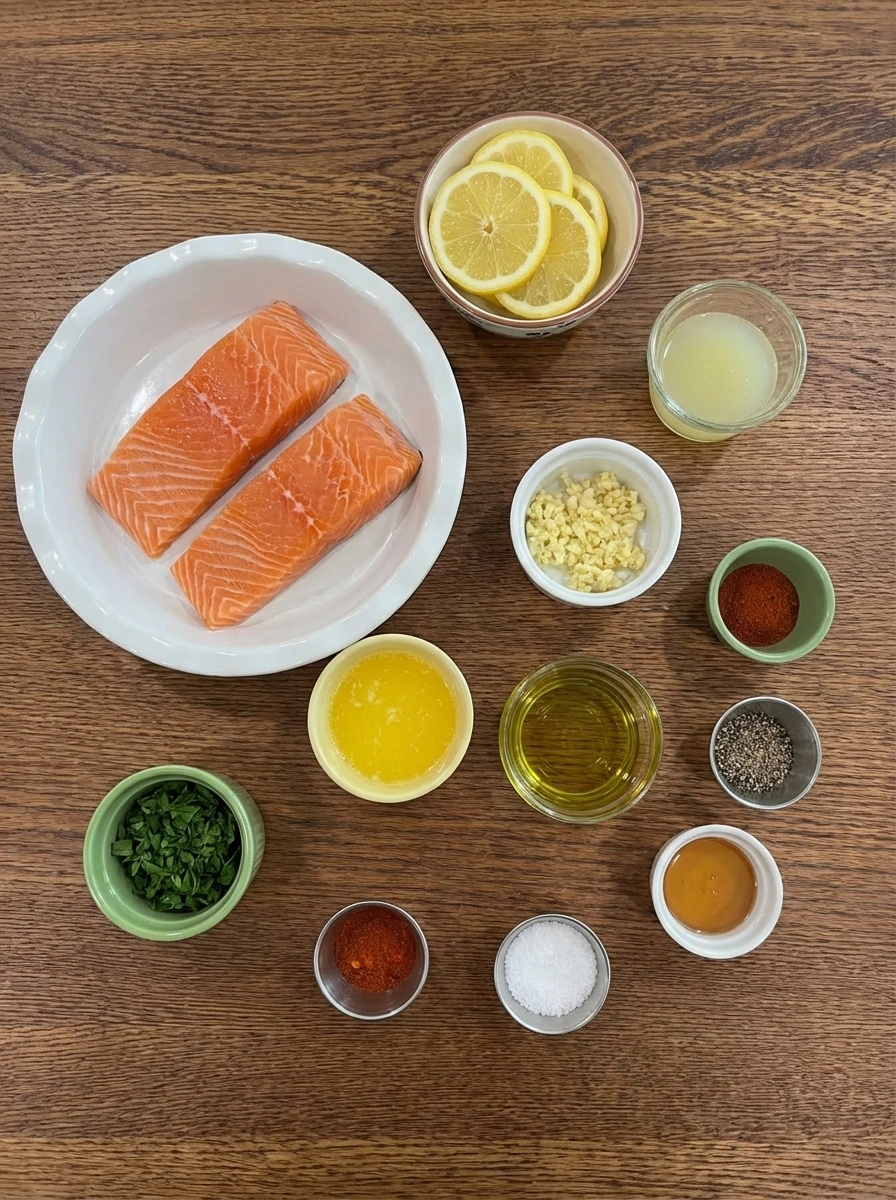
Here’s what I use for this recipe and you can always make substitutions if you prefer.
- salmon fillets: the main protein and the base of the dish
- lemon: one for thin slices and one for juice for bright flavor
- garlic cloves: finely minced for sharp savory depth
- unsalted butter: melts into the sauce and keeps the salmon moist
- olive oil: helps the seasoning coat the fish evenly
- fresh parsley: adds color and a fresh finish
- paprika: adds warm color and gentle depth
- kosher salt: seasons the salmon and the sauce
- black pepper: adds mild heat and balance
- honey: softens the sharp lemon edge and helps light browning
Tools You’ll Need
- mixing bowl: for combining the lemon garlic butter sauce
- baking dish: holds the salmon and sauce in a single layer
- knife: for slicing lemon and chopping parsley
- measuring spoons: for accurate seasoning and sauce balance
Instructions
Step 1: Slice the lemon and season the salmon
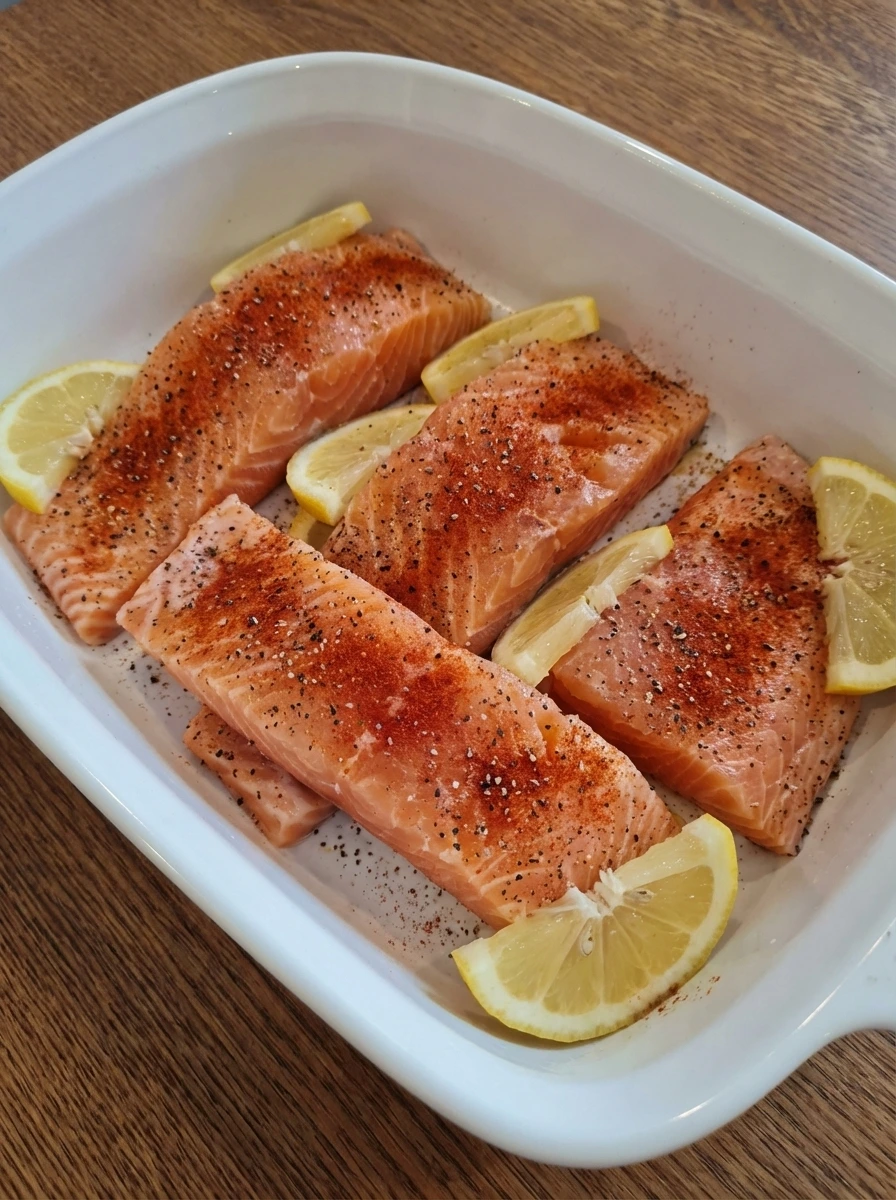
Pat the salmon fillets dry until the surface looks less glossy and more ready to hold seasoning. Thinly slice one lemon into uneven rounds and squeeze the second lemon into a small portion of juice. Sprinkle the salmon with salt and black pepper and paprika so the top turns from plain pink to lightly dusted with warm red color. The fillets should still look raw at this stage though the surface now appears seasoned and slightly more textured.
Tip: Dry salmon holds seasoning better and helps the surface brown more naturally.
Step 2: Mix the lemon garlic butter
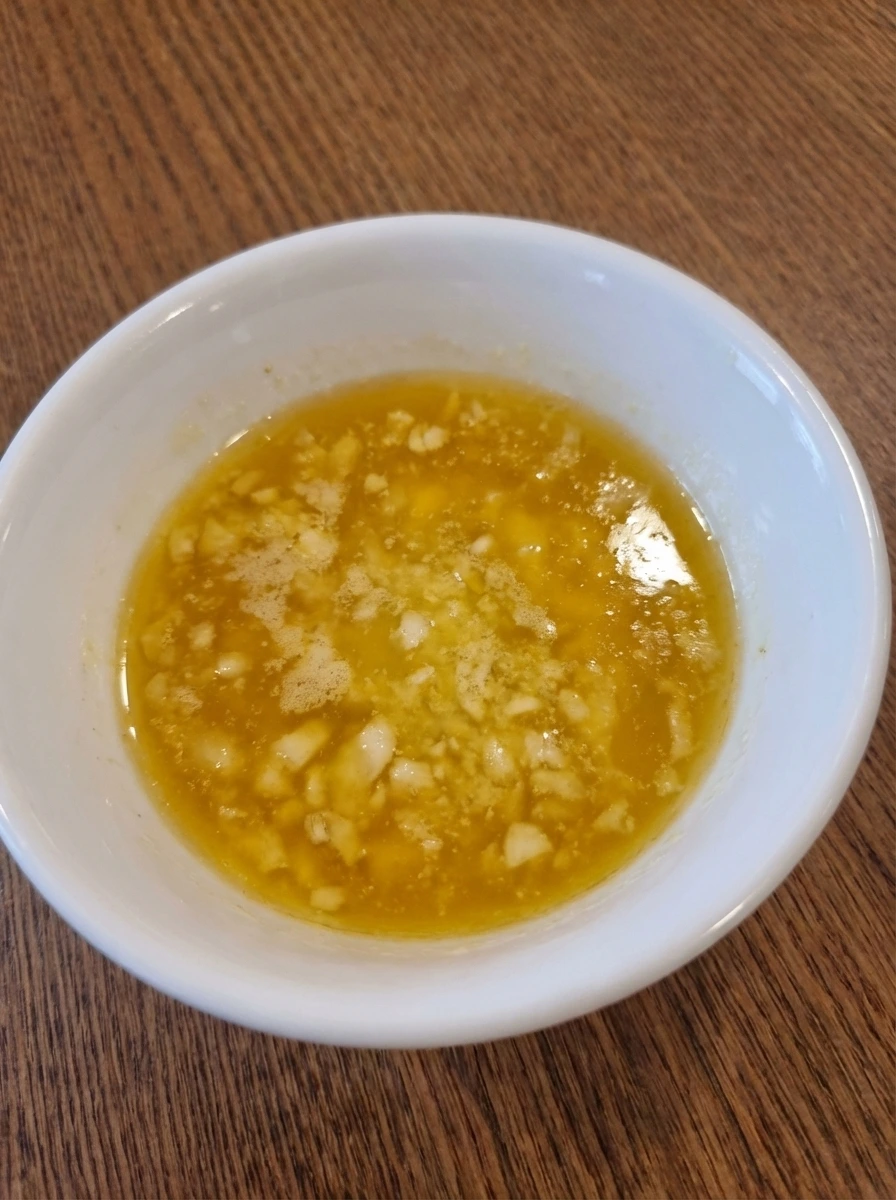
Combine the minced garlic with melted butter and olive oil and lemon juice and honey until the mixture turns glossy and slightly cloudy. The garlic pieces should float through the sauce rather than disappear so it still looks rustic and homemade. As the ingredients come together the sauce shifts from separate streaks to a loose golden mixture with visible bits of garlic throughout. It should look pourable and bright rather than thick.
Tip: Mix just until blended so the garlic stays visible and the sauce keeps its fresh look.
Step 3: Pour and coat the salmon
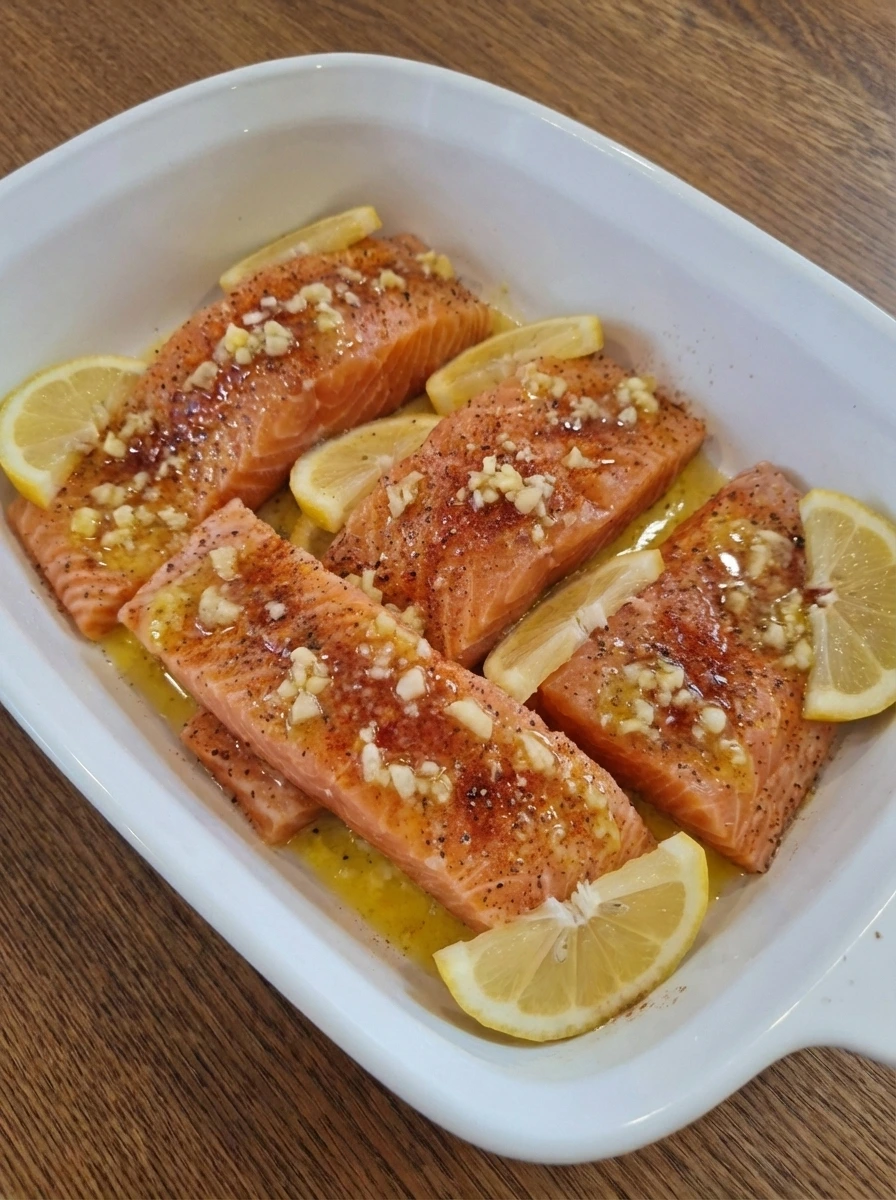
Pour the lemon garlic butter over the seasoned salmon so the sauce lands unevenly across the tops and drifts into the corners of the dish. Use the back of a spoon to spread some of it over each fillet while letting a little more collect in random spots. The salmon now changes from dry seasoned fillets to glossy coated pieces with visible garlic clinging to the surface. Some areas should be more covered than others which gives the dish a natural homemade look.
Tip: Leave a few bare edges on the salmon so the color contrast stays realistic as it bakes.
Step 4: Let the salmon marinate briefly
Leave the coated salmon to rest for a short time so the surface absorbs some of the lemon garlic flavor. As it sits the seasoning darkens slightly and the sauce settles into a thinner layer over the fish. The lemon slices soften just a little where they touch the sauce and the garlic looks more embedded in the coating. Nothing is cooked yet though the fillets look more seasoned and more unified.
Tip: A short rest gives flavor without letting the lemon affect the texture too much.
Step 5: Arrange the lemon slices and parsley
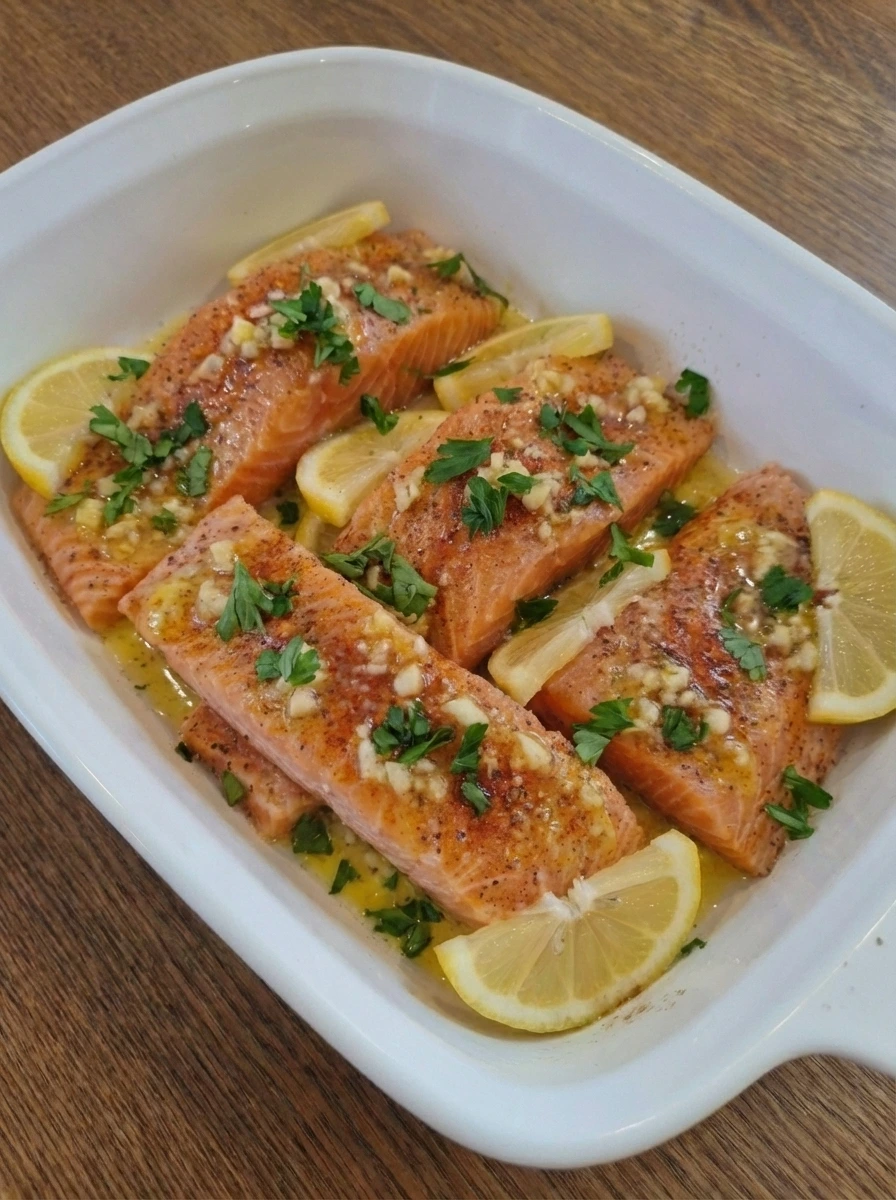
Scatter a little chopped parsley over the top and tuck the lemon slices loosely around and partly over the salmon. Keep the placement casual so a few slices overlap while others sit off to the side and a few parsley bits land in the sauce. This step makes the dish look fuller and more layered before baking. The salmon remains raw though the top now shows a mix of green herbs and pale yellow lemon over the glossy coating.
Tip: Do not fully cover the fillets because exposed areas bake and color more attractively.
Step 6: Bake until the salmon softens and turns opaque
As the salmon bakes the deep raw pink begins to lighten and turn opaque from the edges inward. The butter melts fully into the lemon juice and forms a richer sauce around the fillets while the garlic softens and loses its sharp raw look. The fish starts to gently firm while still looking moist and tender. The lemon slices relax and look glossier and the parsley darkens slightly where it touches the hot sauce.
Tip: Bake just until the center looks softly opaque so the fish stays tender.
Step 7: Finish until lightly browned
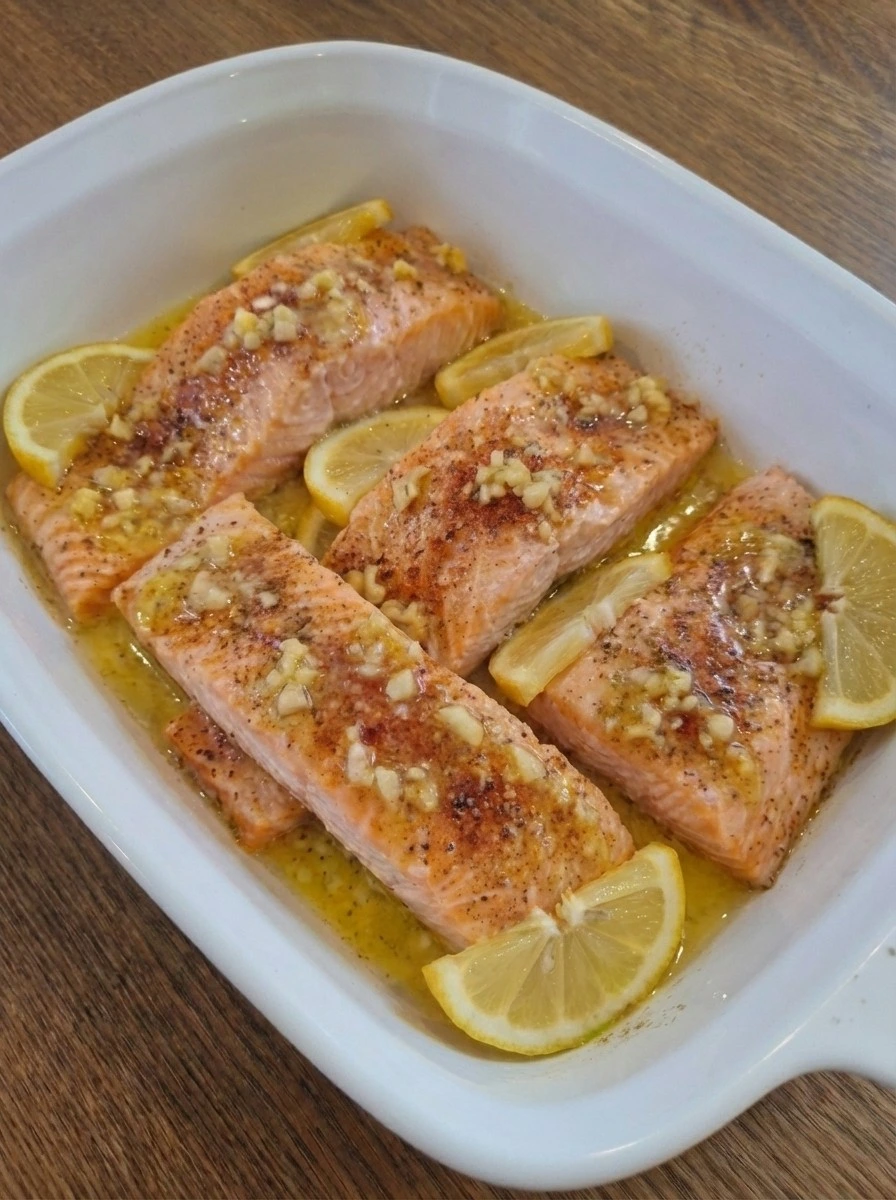
Continue baking until the tops of the salmon develop a few uneven golden spots and the sauce looks slightly thicker around the edges. The garlic pieces should appear mellow and lightly cooked while the lemon slices show faint browning in a few places. At this stage the salmon flakes more easily and the surface has moved from glossy raw coating to a finished tender top with gentle color. The sauce should cling a little more rather than spread like a thin liquid.
Tip: Look for light browning and gentle flaking rather than a dry surface.
Step 8: Plate and garnish the salmon
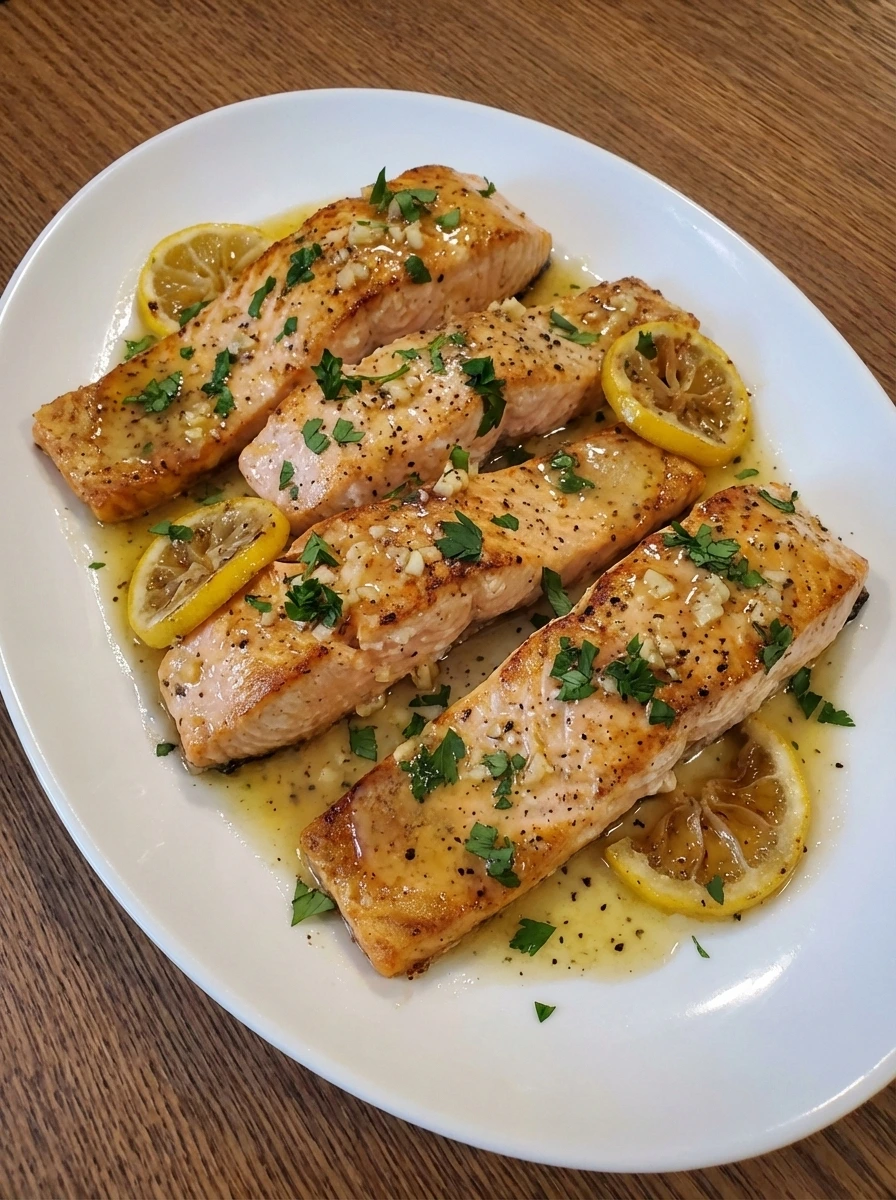
Transfer the fully cooked salmon to a matte white oval ceramic plate and spoon some of the rich lemon garlic sauce over the top and around the sides. Add the softened lemon slices in a loose uneven way and finish with the remaining parsley scattered casually. The final dish should look fully cooked and appetizing with flaky salmon and glossy sauce and irregular golden brown edges. Some spots should carry more sauce than others and the garnish should feel natural so the plate looks homemade and ready to serve.
Tip: Spoon the sauce after plating so the top stays glossy and the color stays visible.
Pro Tips
- Pat the salmon dry before seasoning so the coating clings better and the top colors more evenly.
- Use fresh lemon juice for a brighter sauce that tastes cleaner and more balanced.
- Do not drown the fillets in sauce because a thinner uneven coating looks more natural and bakes better.
- Let the salmon rest for a minute after baking so the flakes settle and the sauce stays on the fish.
Storage Instructions
Store leftover salmon in a covered container in the refrigerator for up to 3 days. Reheat gently so the fish stays moist and spoon any extra sauce over the top before serving. For best texture do not overheat.
Frequently Asked Questions
Can I use frozen salmon for Lemon Garlic Baked Salmon
Yes and thaw it fully first and pat it dry very well so the sauce coats the surface instead of sliding off.
How do I know when baked salmon is done
The salmon should look opaque and flake easily with gentle pressure and the top should show a few lightly golden areas.
Can I make this recipe ahead for meal prep
Yes and it keeps well for meal prep because the lemon garlic sauce helps the salmon stay moist when reheated gently.
What can I serve with Lemon Garlic Baked Salmon
It goes well with rice and roasted vegetables and mashed potatoes and a fresh salad for an easy balanced dinner.
Final Thoughts
This is the kind of recipe I wish I had found years ago. It would have saved me so many stressful dinner nights.
But now that I have it I make it all the time and I think you will too. If you enjoyed this check out some of my other popular recipes on the blog.
And leave a comment. I read every single one and it really makes my day.
Print
Lemon Garlic Baked Salmon
- Total Time: 45 minutes
- Yield: 4 servings 1x
Description
This easy Lemon Garlic Baked Salmon is one of the best quick and simple dinner ideas when you want something healthy yet full of flavor. It works for a relaxed weeknight dinner and for meal prep and even for a holiday spread or casual potluck. The bright lemon garlic sauce keeps the salmon tender and fresh while the simple method makes it perfect for brunch or a small party.
Ingredients
- 4 fillets about 6 ounces each salmon fillets
- 2 whole lemons lemon
- 4 cloves garlic cloves
- 3 tablespoons unsalted butter
- 1 tablespoon olive oil
- 2 tablespoons chopped fresh parsley
- 1 teaspoon paprika
- 1 teaspoon kosher salt
- 1/2 teaspoon black pepper
- 1 teaspoon honey
Instructions
- Pat the salmon fillets dry until the surface looks less glossy and more ready to hold seasoning. Thinly slice one lemon into uneven rounds and squeeze the second lemon into a small portion of juice. Sprinkle the salmon with salt and black pepper and paprika so the top turns from plain pink to lightly dusted with warm red color. The fillets should still look raw at this stage though the surface now appears seasoned and slightly more textured.
- Combine the minced garlic with melted butter and olive oil and lemon juice and honey until the mixture turns glossy and slightly cloudy. The garlic pieces should float through the sauce rather than disappear so it still looks rustic and homemade. As the ingredients come together the sauce shifts from separate streaks to a loose golden mixture with visible bits of garlic throughout. It should look pourable and bright rather than thick.
- Pour the lemon garlic butter over the seasoned salmon so the sauce lands unevenly across the tops and drifts into the corners of the dish. Use the back of a spoon to spread some of it over each fillet while letting a little more collect in random spots. The salmon now changes from dry seasoned fillets to glossy coated pieces with visible garlic clinging to the surface. Some areas should be more covered than others which gives the dish a natural homemade look.
- Leave the coated salmon to rest for a short time so the surface absorbs some of the lemon garlic flavor. As it sits the seasoning darkens slightly and the sauce settles into a thinner layer over the fish. The lemon slices soften just a little where they touch the sauce and the garlic looks more embedded in the coating. Nothing is cooked yet though the fillets look more seasoned and more unified.
- Scatter a little chopped parsley over the top and tuck the lemon slices loosely around and partly over the salmon. Keep the placement casual so a few slices overlap while others sit off to the side and a few parsley bits land in the sauce. This step makes the dish look fuller and more layered before baking. The salmon remains raw though the top now shows a mix of green herbs and pale yellow lemon over the glossy coating.
- As the salmon bakes the deep raw pink begins to lighten and turn opaque from the edges inward. The butter melts fully into the lemon juice and forms a richer sauce around the fillets while the garlic softens and loses its sharp raw look. The fish starts to gently firm while still looking moist and tender. The lemon slices relax and look glossier and the parsley darkens slightly where it touches the hot sauce.
- Continue baking until the tops of the salmon develop a few uneven golden spots and the sauce looks slightly thicker around the edges. The garlic pieces should appear mellow and lightly cooked while the lemon slices show faint browning in a few places. At this stage the salmon flakes more easily and the surface has moved from glossy raw coating to a finished tender top with gentle color. The sauce should cling a little more rather than spread like a thin liquid.
- Transfer the fully cooked salmon to a matte white oval ceramic plate and spoon some of the rich lemon garlic sauce over the top and around the sides. Add the softened lemon slices in a loose uneven way and finish with the remaining parsley scattered casually. The final dish should look fully cooked and appetizing with flaky salmon and glossy sauce and irregular golden brown edges. Some spots should carry more sauce than others and the garnish should feel natural so the plate looks homemade and ready to serve.
Notes
Pro Tips:
- Pat the salmon dry before seasoning so the coating clings better and the top colors more evenly.
- Use fresh lemon juice for a brighter sauce that tastes cleaner and more balanced.
- Do not drown the fillets in sauce because a thinner uneven coating looks more natural and bakes better.
- Let the salmon rest for a minute after baking so the flakes settle and the sauce stays on the fish.
Storage: Store leftover salmon in a covered container in the refrigerator for up to 3 days. Reheat gently so the fish stays moist and spoon any extra sauce over the top before serving. For best texture do not overheat.
- Prep Time: 15 minutes
- Cook Time: 30 minutes
- Category: Dinner
- Cuisine: American
Nutrition
- Serving Size: 1 serving